
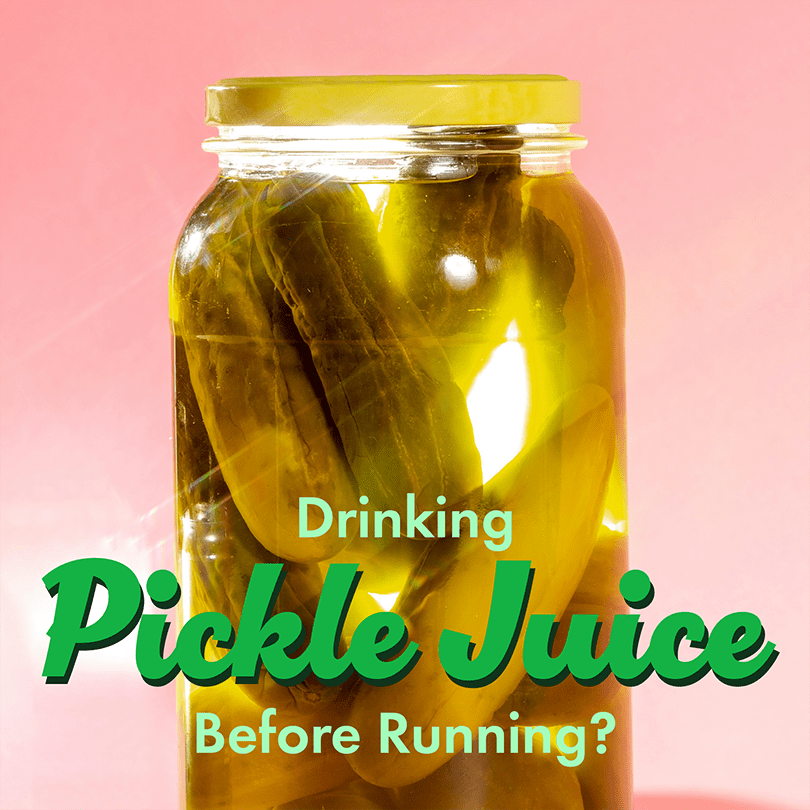
What the Science (and Experience) Says
Pickle juice isn’t a typical pre-run beverage. It’s sharp, salty, and often relegated to the bottom of a pickle jar. Yet in recent years, it has gained popularity among endurance athletes, especially runners, for its potential to prevent muscle cramps and support hydration. What once seemed like an odd anecdote has begun to hold weight in athletic circles—and scientific research is starting to take note.
As runners, we’re constantly refining our training and nutrition strategies. What we put into our bodies before a run can significantly impact our performance, comfort, and recovery. Pickle juice, surprisingly, offers a range of possible benefits that may warrant consideration, particularly for long-distance runners or those training in hot conditions.
This isn’t about blindly following trends. It’s about examining the data, listening to how our bodies respond, and making intentional choices that support our goals as athletes. Let’s explore.
What’s in Pickle Juice, and Why It Matters
Pickle juice is more than just a byproduct of your favorite sandwich topping. It’s typically a combination of water, vinegar, salt (sodium), and various spices like dill, garlic, or mustard seeds. Some versions may include sugar, while others are purely savory. But what makes it potentially beneficial for runners is its concentration of electrolytes, particularly sodium and potassium.
Sodium is the key electrolyte lost in sweat, and its depletion is one of the main contributors to muscle cramping and fatigue. Potassium, while not lost as rapidly, plays an important role in muscle contractions and nerve function. Together, these electrolytes help maintain the body’s fluid balance, assist with nerve signaling, and support muscular control—essential functions for endurance activities like running.
The vinegar content may also play a role in how pickle juice interacts with the nervous system. Vinegar has been studied for its possible effect on blood sugar regulation and muscle performance. Though these effects are not fully understood in the context of athletic performance, vinegar’s acidic properties are believed to trigger a reflex in the oropharyngeal region (the back of the throat) that may reduce cramping. This effect appears to be neurological, rather than metabolic, which is important when time is critical during an athletic effort.
It’s also worth noting that the composition of pickle juice can vary greatly depending on the brand or homemade recipe. Some commercial pickle juices contain artificial dyes or preservatives, while others are more natural. If you’re considering adding it to your regimen, look for versions that contain minimal additives and are high in natural sodium content for the greatest potential benefit.
Electrolytes, Hydration, and Endurance
Proper hydration is foundational to any successful run. But hydration isn’t just about drinking water—it’s about maintaining a balance of fluids and electrolytes. When you sweat, especially during long or intense runs, you lose sodium, chloride, and to a lesser extent, potassium and magnesium. If these losses aren’t replaced, you can experience symptoms ranging from fatigue and dizziness to full-blown muscle cramps and hyponatremia, a dangerous condition caused by low sodium levels.
Pickle juice offers a concentrated source of sodium, which is particularly helpful for runners who sweat heavily or train in hot, humid environments. For those who experience muscle cramping mid-run or during long training sessions, consuming a small amount of pickle juice beforehand may help provide an early buffer against sodium depletion. While it doesn’t replace the need for fluid and broader electrolyte intake, it can serve as a supplement alongside water or a low-sugar sports drink.
For athletes following low-carb or ketogenic diets, pickle juice has an additional appeal. These diets can cause increased water and sodium loss, especially in the early adaptation phase, leading to feelings of fatigue and sluggish performance. In these situations, pickle juice may serve as a simple and natural electrolyte boost without adding sugar or carbohydrates to the system.
That said, sodium supplementation isn’t universally necessary for all runners. It depends on your individual sweat rate, diet, and environmental conditions. Listening to your body’s signals, such as early signs of cramping, fatigue, or dizziness, is crucial. If you frequently experience these symptoms, adjusting your pre-run electrolyte intake—with options like pickle juice—might offer some relief.
Cramp Prevention: Hype or Evidence?
Muscle cramps are one of the more frustrating and poorly understood aspects of athletic performance. They often seem to arrive without warning, and the traditional advice—stretch, hydrate, eat bananas—doesn’t always work in the moment. The theory behind pickle juice’s cramp-fighting ability isn’t solely based on its electrolyte content. Rather, emerging research suggests that the vinegar may play a unique role in how the nervous system regulates muscle contractions.
A 2010 study published in Medicine & Science in Sports & Exercise found that athletes who consumed small amounts of pickle juice (about 1–2 oz) experienced quicker relief from muscle cramps compared to those who drank water. Interestingly, the relief occurred too quickly to be explained by electrolyte absorption, which led researchers to propose that something in the pickle juice—most likely the acetic acid from the vinegar—was triggering a neural response in the mouth and throat that disrupted the cramp reflex.
This idea has led to the use of small “pickle juice shots” as an emergency remedy during races or long runs. Anecdotal reports support this use, especially in high-heat conditions. While more research is needed to understand the full mechanisms at play, many athletes find that even if the science isn’t conclusive, the real-world impact is worth paying attention to.
Still, it’s important to remember that not all cramps are caused by electrolyte imbalances or neural misfiring. Fatigue, overuse, and muscle strain can also cause cramps, and in those cases, pickle juice may not be effective. Like many strategies in sports nutrition, it may be helpful for some and less so for others.
Timing and Practical Use for Runners
If you’re interested in experimenting with pickle juice, timing and dosage matter. Most runners who use it successfully consume 1 to 2 ounces approximately 20 to 30 minutes before their run. This gives the body time to absorb some of the sodium, and potentially activate the reflexive benefits of the vinegar. Some athletes also carry small pickle juice shots during long runs for on-the-go cramp management.
Because pickle juice is highly acidic and salty, it’s wise to test it during training—not during a race—to see how your stomach responds. For runners with sensitive digestive systems, the acidity may cause mild nausea or heartburn, especially on an empty stomach. You can dilute it slightly with water or drink it alongside a small pre-run snack to reduce the intensity.
If you’re making your own pickle juice, keep it simple: a mix of vinegar, filtered water, sea salt, and optional spices like dill or garlic. Homemade versions allow you to control the ingredients and avoid preservatives, artificial coloring, or excess sugar found in some commercial varieties. Store it in the refrigerator and measure out servings so you don’t overdo it.
Ultimately, pickle juice isn’t a cure-all. But when used strategically and in moderation, it may offer targeted benefits—especially for runners who frequently deal with cramps or train in harsh conditions. As always, individual testing and listening to your body’s feedback are essential steps in determining whether it’s the right fit for your routine.
Final Thoughts: Finding What Works for You
Adding something like pickle juice to your pre-run routine may seem unconventional, but endurance athletes have long experimented with natural performance aids—from beet juice to chia seeds to ginger tea. What matters most is not whether a solution is popular, but whether it’s safe, evidence-based, and personally effective.
If you’ve struggled with cramping, or you’re training through a hot summer, trying a small amount of pickle juice might be worth exploring. Track how you feel, both during and after your runs. Look for signs of improvement in performance, hydration status, and overall comfort. And if it doesn’t work for you, that’s useful information too—every body is different.
Running is a constant experiment in motion. Nutrition, hydration, sleep, and mental focus all play a role. Small tweaks—like introducing something as unassuming as pickle juice—can sometimes make a noticeable difference. The key is to approach it with curiosity, caution, and intention.
Have you tried pickle juice before a run? Share your experience in the comments—I’d love to hear what’s worked for you.
 Running Endeavor
Leave a comment