

As the seasons shift and the crisp air of autumn begins to settle in, many runners start to face the challenges of cold weather running. It’s a time when the landscape changes from the vibrant greens of summer to the muted tones of winter, and with it comes a unique set of considerations for those who love to lace up their shoes and hit the pavement. Running in the cold can be invigorating, but it also requires a bit more preparation to ensure you stay safe, comfortable, and motivated.
Embrace the Layers
One of the keys to successful cold weather running is mastering the art of layering. Layering is not just about piling on clothes but about creating an adaptable system that can handle the fluctuating conditions of a winter run. The first layer, which sits closest to your skin, is arguably the most important. A moisture-wicking fabric, such as merino wool or a synthetic blend, will help regulate your body temperature by pulling sweat away from your skin. This is crucial because sweat trapped against your skin can quickly lead to chills, even if you’re generating heat through your run.
The second layer is all about insulation. Depending on how cold it is, this could be a light fleece or a more substantial thermal shirt. The key is to choose something that provides warmth without adding unnecessary bulk. You want to be able to move freely without feeling weighed down by your clothing. The final layer, the outer shell, should be windproof and, ideally, water-resistant. This will protect you from the elements, whether it’s a biting wind or a light drizzle. Remember, it’s easier to shed layers if you get too warm than to add them when you’re already out on your run.





Mind the Extremities
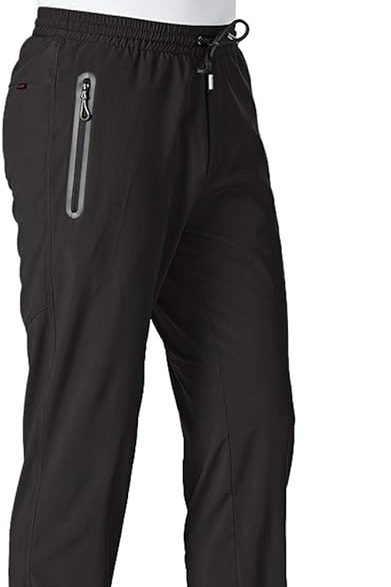
When the temperature drops, your body naturally prioritizes keeping your core warm, which means your extremities—hands, feet, and head—are often the first to feel the cold. Gloves are essential, but not all gloves are created equal. Look for options that offer a balance between warmth and dexterity, allowing you to use your hands without feeling clumsy. On particularly cold days, you might even consider layering a thin liner glove under a thicker pair. Some runners also find that mittens, which keep your fingers together, provide better warmth than gloves.
For your feet, it’s important to strike the right balance between warmth and breathability. Thicker socks made from merino wool are a great option as they provide insulation while also wicking moisture away from your skin. If you find that your feet still get cold, consider investing in winter running shoes, which often have additional insulation and water-resistant features. Your head is another critical area to protect, as a significant amount of heat can escape through it. A beanie or headband made from moisture-wicking fabric will keep your head warm without making you overheat. Don’t forget to cover your ears, as they’re particularly sensitive to the cold.
Don’t Skip the Warm-Up
Warming up is always important, but it becomes even more crucial in cold weather. When the temperature drops, your muscles and joints are stiffer, and your body takes longer to reach the optimal temperature for running. A proper warm-up helps to gradually increase your heart rate, loosen your muscles, and prepare your body for the more intense activity to come. Start with a few minutes of brisk walking or light jogging to get your blood flowing. This will raise your core temperature and reduce the risk of injury.
Incorporating dynamic stretches into your warm-up routine can also be beneficial. Movements like leg swings, lunges, and high knees not only help to stretch out your muscles but also mimic the motions of running, making the transition into your run smoother and more comfortable. Skipping the warm-up in cold weather can lead to tight muscles, which increases the risk of strains or sprains. It’s also important for your mental preparation; a good warm-up helps you ease into the rhythm of your run, making those first few chilly minutes feel less daunting.
Be Visible
As winter progresses, the days grow shorter, and many runners find themselves running in low light conditions, whether it’s early morning, late afternoon, or even after dark. Visibility becomes a critical safety concern in these situations. Wearing bright, reflective clothing is one of the simplest ways to make sure you’re seen by drivers, cyclists, and other runners. Reflective gear can range from vests and jackets to hats and shoes, ensuring you’re visible from all angles. Consider choosing outer layers that are specifically designed with reflective elements, as these are often strategically placed to catch light from various sources.
In addition to reflective clothing, adding lights to your running gear can significantly increase your visibility. A lightweight headlamp is a great option, as it illuminates the path ahead of you while making you more visible to others. Clip-on lights or LED armbands are also useful, especially if you want to be seen from a distance. The goal is to ensure that you’re visible not just to cars but to everyone you might encounter during your run. Low visibility can make outdoor running riskier, so taking these extra precautions can help you stay safe.



Hydrate, Hydrate, Hydrate
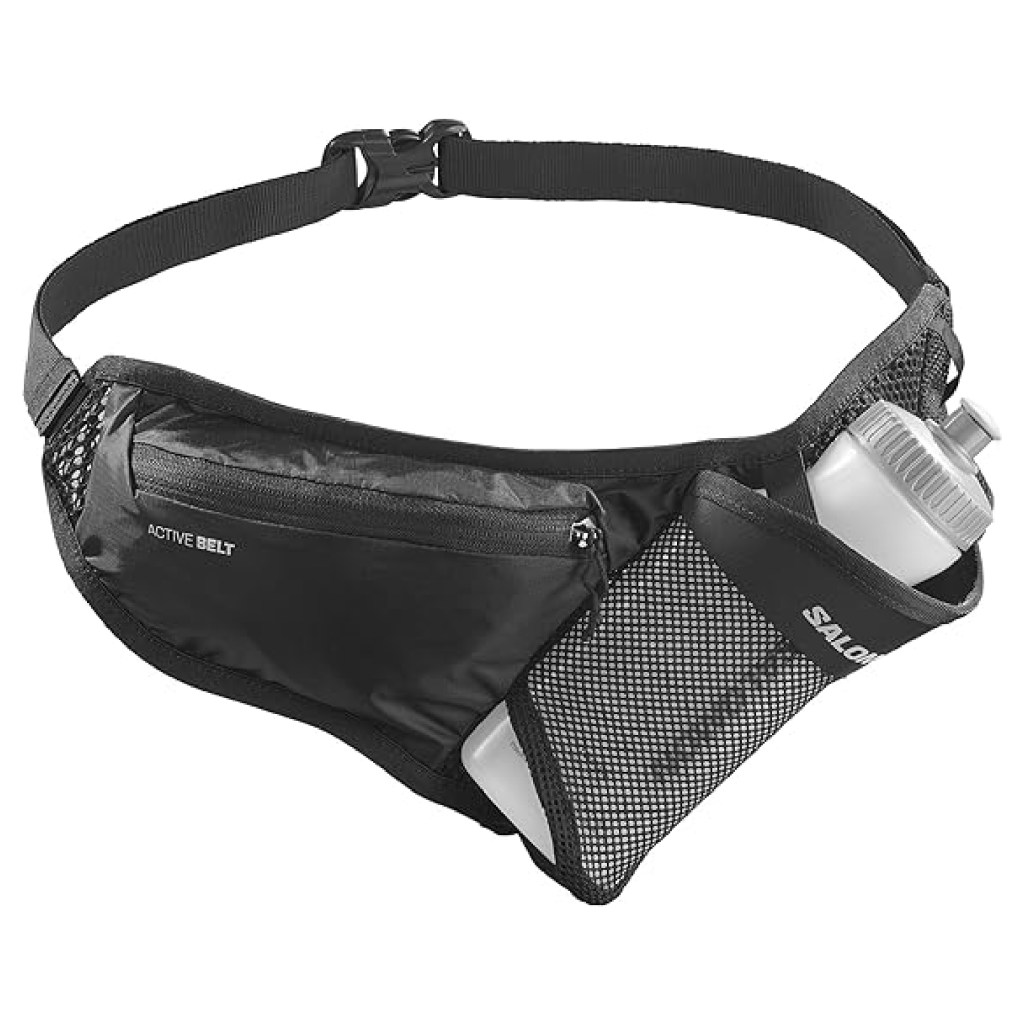
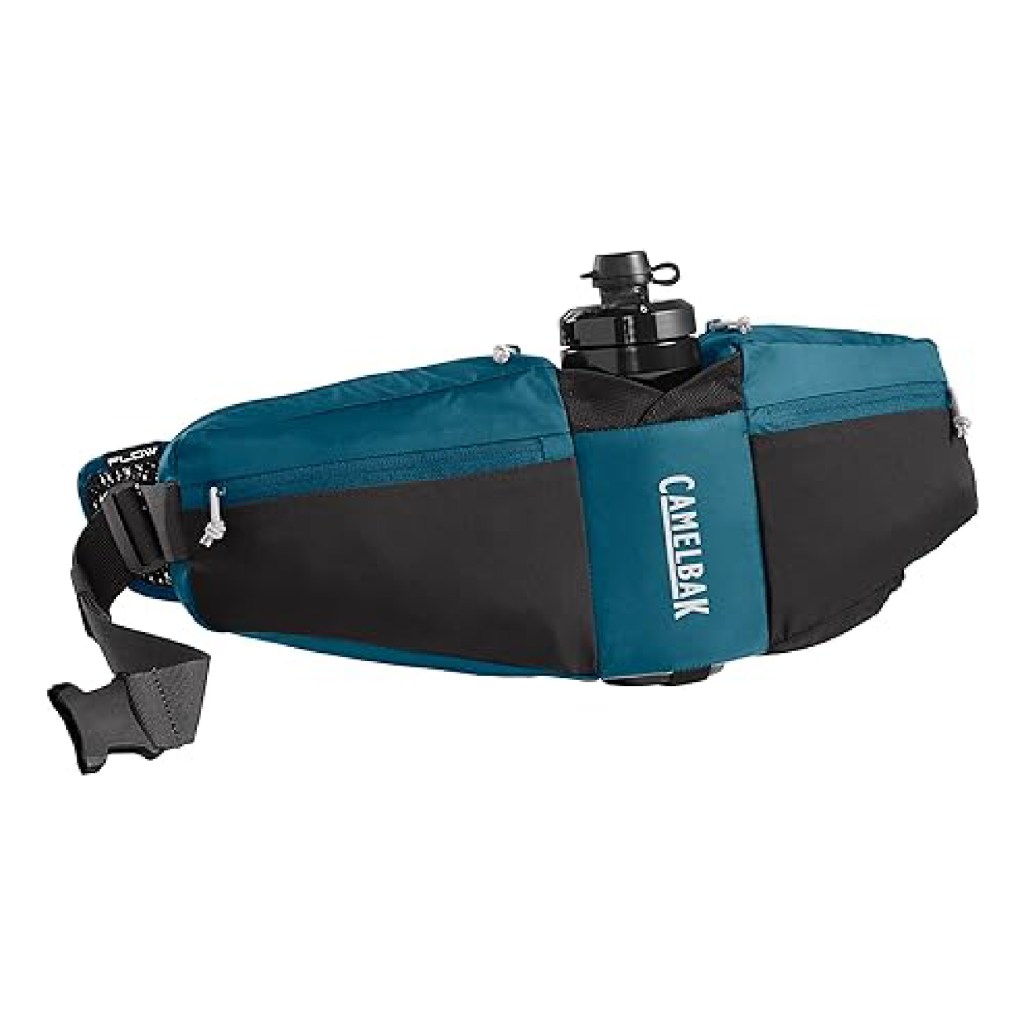
Hydration is often associated with summer running, but it’s just as important in the colder months. Cold weather can be deceptive because you might not feel as thirsty or notice how much you’re sweating, but your body is still losing fluids. Dehydration can sneak up on you in the cold, leading to fatigue, reduced performance, and even increased risk of injury. It’s important to drink water before, during, and after your run, just as you would in warmer weather. Consider carrying a small, insulated water bottle or planning your route so that you pass by water sources.
If you’re running for an extended period, you might also want to consider an electrolyte drink to replace the salts lost through sweat. It’s also worth noting that cold air can be dry, which can contribute to dehydration. Breathing in dry air can cause you to lose more moisture through respiration, so staying on top of your hydration is key to maintaining your energy levels and performance. Remember, just because you’re not sweating buckets doesn’t mean your body doesn’t need to be replenished.

Listen to Your Body
Cold weather running can be exhilarating, but it’s important to be mindful of how your body is responding to the conditions. The cold can put extra strain on your cardiovascular system as your body works harder to keep your core temperature stable. This can make your usual running pace feel more challenging, so don’t be afraid to slow down and adjust your effort level according to how you feel. Pay attention to any signs of discomfort or numbness, particularly in your extremities. If your fingers, toes, or face start to feel numb, it’s a signal that you need to warm up.
In extreme cold, there’s also the risk of hypothermia, which can be dangerous if not recognized early. Shivering is usually the first sign, but as hypothermia progresses, you might experience confusion, slurred speech, or a loss of coordination. These are serious symptoms that require immediate action—get to a warm place and seek help if needed. Listening to your body also means knowing when to cut your run short. If the conditions are too harsh or you’re not feeling up to it, there’s no shame in calling it a day. Your safety and well-being should always come first.
Enjoy the Stillness
There’s something almost magical about running in the cold. The world seems quieter, more serene, and there’s a special kind of peace that comes with the stillness of a winter morning. The air is crisp and clean, and with fewer people out and about, it can feel like you have the whole world to yourself. This solitude offers a unique opportunity for reflection and mindfulness. Cold weather running forces you to be more present, to focus on your breath, the sound of your footsteps, and the sensation of the air on your skin.
Running in the winter also allows you to experience nature in a different way. The landscape is transformed, with bare trees, frosted ground, and the possibility of snow. These conditions can make your usual routes feel new and exciting. There’s also a sense of accomplishment that comes with braving the cold and pushing through the elements. It’s a reminder of your resilience and dedication. So while cold weather running comes with its challenges, it also offers rewards that are unique to the season. Embrace the change, and let yourself enjoy the beauty of winter running.
 Running Endeavor
Leave a comment