
Running in the quiet hours of dawn or after the sun sets can be a peaceful and rewarding experience. With fewer crowds and cooler temperatures, it’s an ideal time for many runners to lace up their shoes and hit the pavement. However, running during these low-light times also comes with its own set of challenges, particularly when it comes to safety. Here’s how to make sure you’re prepared to run safely, whether it’s the early hours of the morning or late at night.
1. Be Visible
One of the biggest dangers of running in low-light conditions is not being seen by drivers, cyclists, or other runners. When you’re out running in the early morning or late evening, it’s important to realize that even though you might see the car, the driver might not see you until it’s too late. Taking steps to enhance your visibility is not only a smart choice but can be a life-saving one.
- Wear Reflective Gear: Reflective clothing is your first line of defense. A simple vest with reflective strips can make a significant difference, catching the headlights of approaching vehicles. Reflective vests are lightweight and easy to wear over any running outfit. Some running shoes also have reflective elements built into them, which help enhance visibility from multiple angles. Jackets with reflective patterns or armbands are also great additions to your running wardrobe. The more reflective gear you wear, the more likely drivers and other road users will notice you.
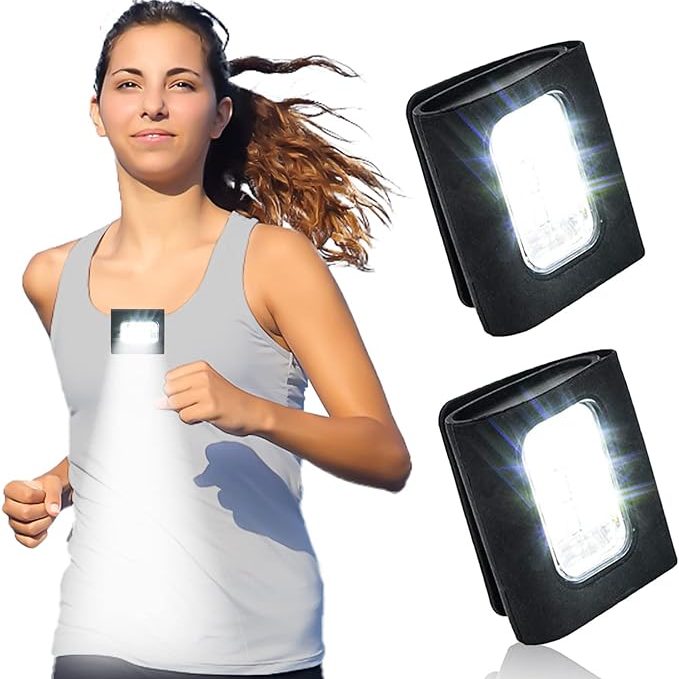
- Use Lights: In addition to reflective clothing, consider adding lights to your gear. A headlamp is a practical tool that serves two purposes: it lights your path, helping you avoid tripping hazards, and it makes you visible to others. Many runners also clip small flashing LED lights to their waistband, shoes, or even their cap. These lights are incredibly lightweight and can make a big difference in your visibility from a distance. Some are USB rechargeable, so you never have to worry about running out of batteries mid-run.
- Bright Colors: Even during the early morning or twilight, wearing bright colors can enhance your safety. Neon yellows, pinks, or oranges stand out against the dark, making it easier for drivers and other pedestrians to spot you. While darker clothing may feel more subtle or sleek, it’s much harder for others to see you, especially in areas without streetlights. Bright colors paired with reflective strips offer maximum visibility in low light conditions.


2. Choose Safe, Well-Lit Routes
The route you choose to run in low-light conditions can significantly impact your safety. While it’s tempting to take your usual path, darkness can change the dynamic of familiar routes, making them potentially hazardous or unsafe. For your safety, select routes that are well-lit and frequently used by other runners or pedestrians.
- Avoid Secluded Areas: Running in remote or secluded areas can be risky, especially when visibility is low. In the dark, even areas that feel safe during the day can pose dangers. Stick to main roads, popular running trails, or areas with plenty of streetlights. City parks or paths that are frequented by other runners are generally better options, as these areas are typically safer and well-maintained. Secluded paths or backroads, while peaceful, can increase your risk of an accident or unwanted encounter.
- Know Your Route: Familiarity is crucial when running in the dark. Running a new or unfamiliar route at night can lead to unexpected obstacles, such as uneven sidewalks, potholes, or sudden changes in terrain. Stick to paths you know well, so you’re aware of any potential hazards. This way, you can focus on your run without worrying about navigating unfamiliar terrain. If you must take a new route, consider scouting it out during daylight hours first.
- Scout Out Safe Zones: Another aspect of route planning is knowing where the nearest safe zones are. This could be a gas station, a 24-hour convenience store, or even a well-lit parking lot. Knowing where you can go if you feel unsafe or need help is a valuable precaution. If you’re running in an unfamiliar area, plan a route that passes by such landmarks, and familiarize yourself with their locations before setting out.
3. Run with a Buddy
There’s no question that running with a buddy is one of the best ways to enhance your safety, particularly when you’re running in low-light conditions. Not only do two people stand out more than one, but you also have someone with you in case something unexpected happens. Whether it’s an injury or an uncomfortable situation, having a companion provides reassurance.
- Join a Running Group: If you don’t have a regular running buddy, consider joining a local running group. Many cities and communities have running clubs that schedule early morning or evening runs, specifically for those who prefer to run during these quieter hours. Running in a group doesn’t just make you safer, it also makes running more enjoyable. Group runs can help you stay motivated and accountable, and many offer a built-in sense of camaraderie that solo runs lack.
- Running Apps for Safety: Technology can also play a role in keeping you safe. Apps like Strava, Runkeeper, and Garmin Connect allow you to share your location with family or friends in real-time. This way, someone always knows where you are, and they can check in if they notice you’ve stopped moving for an unusual amount of time. It’s an extra layer of protection, especially when you’re running solo.
- Tell Someone Your Route: If you’re running alone, make sure to tell a friend or family member about your route and estimated time of return. It’s a simple yet often overlooked safety measure. Knowing that someone is aware of where you’re running and when to expect you back adds a level of security. You can also agree to check in with them once your run is over, ensuring they know you’ve returned safely.
4. Stay Aware of Your Surroundings
One of the most important aspects of running safely in low-light conditions is staying aware of what’s going on around you. When it’s dark, your senses need to be more attuned to potential hazards or dangers. Unfortunately, it’s easy to get lost in the rhythm of your run and overlook what’s happening nearby.
- Limit Music Volume: Listening to music can make your run more enjoyable, but it also reduces your ability to hear what’s going on around you. If you absolutely must listen to music, consider bone-conduction headphones, which allow you to hear ambient noise while still enjoying your tunes. Otherwise, lower the volume to a level where you can still hear traffic, footsteps, or any other sounds that may alert you to danger.
- Constantly Scan Your Surroundings: Even on a well-lit route, it’s essential to stay aware of your surroundings. Constantly scan the area as you run, looking for any potential hazards or unusual activity. Don’t get too absorbed in your thoughts or the rhythm of your run. By keeping an active awareness of your environment, you can react more quickly to any potential dangers.
- Trust Your Instincts: If something doesn’t feel right, trust your gut. Whether it’s someone behaving suspiciously or an area that suddenly feels too isolated, don’t hesitate to change your route or turn back. Your instincts are often your first line of defense in uncertain situations. If something feels off, it’s always better to be safe and err on the side of caution.
5. Carry Identification and Emergency Tools
Running in low-light conditions means it’s even more important to be prepared for emergencies. Accidents or unexpected situations can happen at any time, so it’s vital to carry identification and other tools that can help if you need assistance.
- Wear ID: A simple wearable ID bracelet or card with your name, emergency contact information, and any medical conditions can be crucial if you’re in an accident or need help. Companies like Road ID offer affordable, lightweight bracelets that can easily be worn during your run. You never know when something unexpected might happen, and having your information readily available could save time in an emergency.
- Always Have Your Phone: While some runners prefer to go technology-free, carrying a phone is a crucial safety measure. Your phone allows you to call for help if necessary, and many apps offer live tracking features that let someone follow your run in real-time. Additionally, smartphones have built-in GPS, which can help you find your way if you get lost or need to change your route.
- Pepper Spray or Personal Alarm: Depending on the area where you’re running, carrying a small canister of pepper spray or a personal alarm can provide added peace of mind. These tools are easy to carry and can be deployed quickly in case of emergency. Personal alarms emit a loud, attention-grabbing sound, which can deter attackers and draw attention to your location.
6. Dress for the Weather
Running during early mornings or late evenings often means dealing with cooler temperatures. As the seasons change, dressing appropriately for the weather becomes even more important. Wearing the right clothing not only keeps you comfortable but also ensures you’re ready for any shifts in the weather during your run.
- Layering Is Key: For runs during cooler temperatures, layering is essential. Start with a moisture-wicking base layer that keeps sweat off your skin. This helps regulate your body temperature by drawing moisture away from your body. Over this, add an insulating layer, like a lightweight fleece or thermal shirt, to keep you warm. Finally, top it off with a windproof or waterproof jacket if necessary. You can always remove layers as you warm up, but it’s better to start with more protection than not enough.
- Don’t Forget Gloves and Hats: When the temperature drops, your extremities—fingers, ears, and toes—are the first to feel the cold. A good pair of running gloves and a lightweight hat or headband can make all the difference on a chilly morning or evening run. Look for moisture-wicking fabrics that keep your hands and head dry while offering protection against the cold.
- Reflective Cold-Weather Gear: As the days get shorter, running during low-light hours becomes more common in the fall and winter months. Many brands offer reflective cold-weather gear, such as jackets, tights, and gloves, designed specifically for runners. These not only keep you warm but also increase your visibility during the darker months.
7. Mind Your Pace and Steps
Running in the dark can affect your balance and perception of distance. It’s much easier to trip or stumble over something you can’t see. Paying attention to your stride and pace can help you stay upright and avoid accidents.
- Shorten Your Stride: When running in low-light conditions, consider shortening your stride slightly. Keeping your feet closer to the ground can help you stay balanced and react more quickly to uneven surfaces. With a shorter stride, you’re less likely to trip over unexpected obstacles like curbs, branches, or uneven pavement.
- Stay Light on Your Feet: Maintaining a light step will help you react more easily to any sudden changes in the terrain. If you encounter a crack in the sidewalk or a patch of gravel, a light, responsive step can help you avoid twisting your ankle or losing your balance. Staying light on your feet also makes it easier to adjust your pace if you suddenly need to stop or slow down.
- Adjust Your Speed: Finally, don’t be afraid to slow down if the lighting is particularly poor. Running too fast in the dark increases your chances of missteps or accidents. It’s better to complete your run safely at a slightly slower pace than to risk injury by pushing too hard. Save the speed work for daytime runs, when you can see clearly.
Final Thoughts
Running at night or in the early morning can be an invigorating way to start or end your day, but safety should always come first. By being mindful of your visibility, route, and surroundings, you can enjoy the peace and solitude that comes with these runs while minimizing risks. Stay smart, stay safe, and keep running strong, no matter what time of day you hit the road!
 Running Endeavor
Leave a comment