

When it comes to running, performance isn’t just about training hard—it’s about fueling smart. What you eat and drink before, during, and after a run can significantly affect your endurance, speed, and recovery. Let’s break down how to optimize your nutrition and hydration at each stage of your run to help you perform at your best.
Pre-Run Fuel: Setting the Foundation
Before any run, your body needs the right combination of nutrients to ensure your muscles are primed for the workout ahead. The goal is to maximize energy storage and make sure your digestive system has time to process the food so you don’t experience discomfort while running. Pre-run fueling isn’t just about what you eat the morning of a run—it’s also influenced by your nutrition in the days leading up to it, especially if you’re preparing for a longer run or race. Carbohydrate loading, for example, can be beneficial for longer endurance events by ensuring your glycogen stores are topped off.
When it comes to timing, the 2-3 hour window before running is the sweet spot for most runners. This gives your body ample time to digest a substantial meal without leaving you feeling sluggish or too full. The closer you get to your run, the lighter your snack should be to prevent any gastrointestinal issues. A small snack like a banana or a handful of pretzels can give you that last-minute boost without overburdening your stomach. Finding what works best for your body might take a few tries, so don’t be afraid to experiment during your training.
In terms of hydration, this phase is crucial for preventing early dehydration. By sipping water in the hours before your run, you give your body a chance to be fully hydrated, which helps regulate your body temperature and keeps your muscles functioning efficiently. But don’t overdo it! Drinking too much water too quickly before a run can leave you feeling bloated and could lead to an unpleasant side stitch. Stick to small, steady amounts, and listen to your body’s signals.
During the Run: Sustaining Energy and Hydration
Once you’re out on your run, maintaining steady energy and hydration is key to ensuring you don’t hit the infamous “wall.” During shorter runs, lasting less than 60 minutes, your body will typically have enough stored glycogen to power through without needing extra fuel. However, once your run extends beyond an hour, especially during long-distance events, your body will start to deplete these energy stores. At this point, taking in simple carbohydrates can be the difference between finishing strong or fading early.
Carbohydrate gels, chews, and sports drinks are popular choices among runners because they provide a concentrated dose of energy in a form that is easy to digest. The carbohydrates in these products are designed to be absorbed quickly by your body, giving you an almost immediate energy boost without needing a lot of digestion. It’s important to practice taking these during training runs to ensure they agree with your stomach and provide the energy boost you’re looking for. Timing is everything, so aim to consume your first fuel source about 45 minutes to an hour into your run, and continue at regular intervals thereafter.
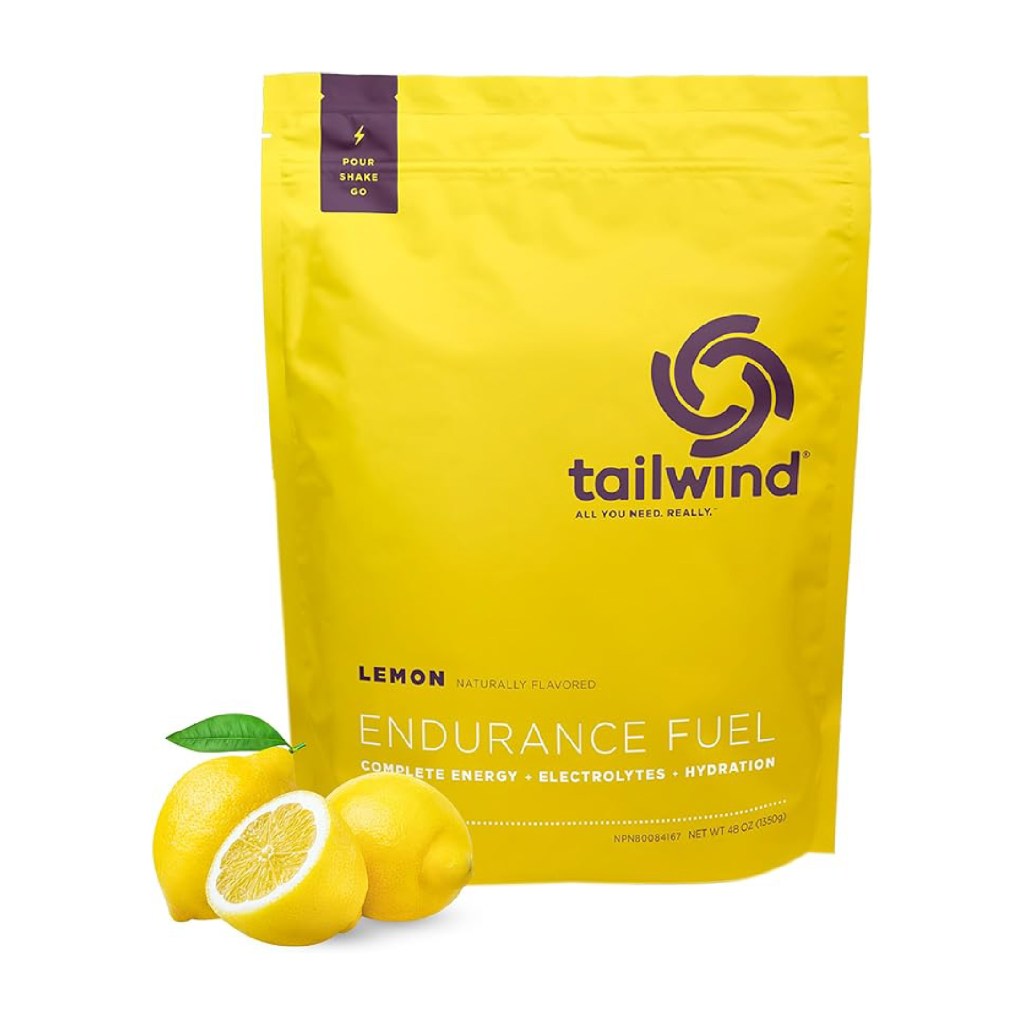
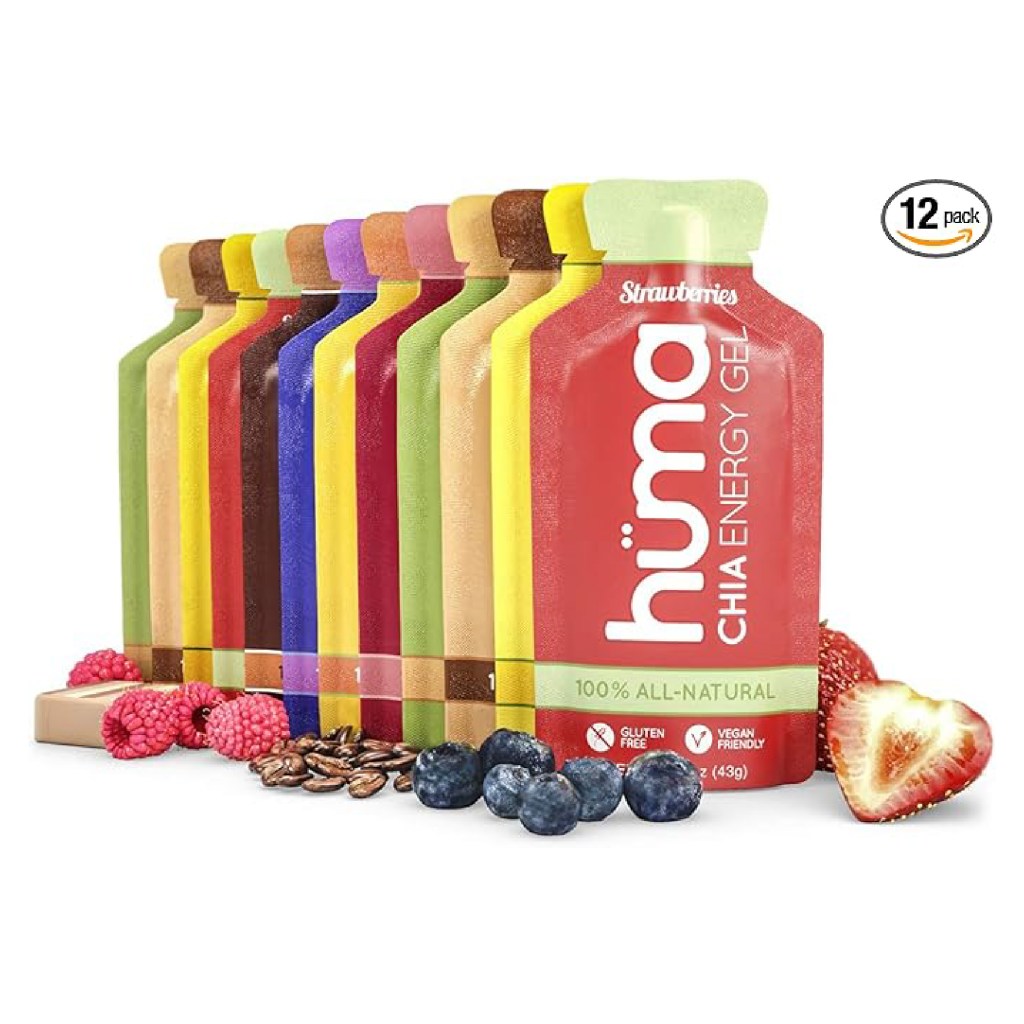
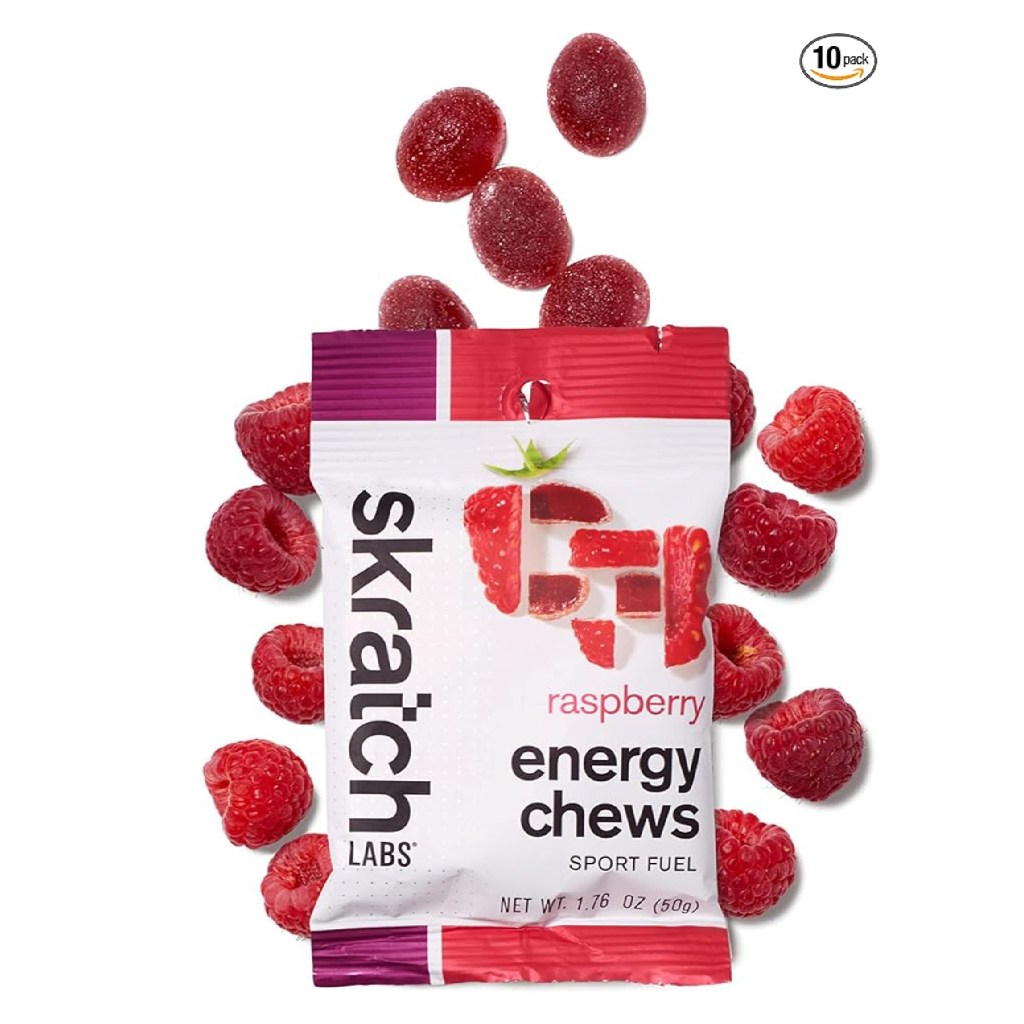
Hydration during your run is just as crucial as fueling, especially when running in warm weather or for extended periods. As you sweat, your body loses essential electrolytes like sodium and potassium, which need to be replenished to maintain muscle function and prevent cramping. For runs over an hour, water alone might not suffice, so incorporating an electrolyte drink or tablets can help maintain balance. The key is to sip consistently throughout your run rather than waiting until you feel thirsty, as thirst is a sign that dehydration is already setting in.
Post-Run Recovery: Replenish and Rebuild
After your run, your body enters a crucial recovery phase, where the focus shifts to replenishing what was lost and repairing any muscle damage that occurred. The first 30-60 minutes after a run are often referred to as the “golden window” of recovery. During this time, your muscles are primed to absorb nutrients, meaning it’s the perfect time to refuel with the right balance of carbohydrates and protein. Carbohydrates help replenish the glycogen stores that were depleted during your run, while protein aids in muscle repair and growth.
Post-run meals should have a 3:1 or 4:1 ratio of carbohydrates to protein. This can come in many forms: a fruit smoothie with protein powder, a yogurt parfait with granola, or a whole-grain sandwich with lean meat. The key is to choose foods that are nutrient-dense, easily digestible, and that provide both quick and sustained energy. For longer runs, consider slightly increasing the carb portion to make sure your glycogen stores are fully replenished. Some runners also find that chocolate milk is a great post-run recovery drink because it naturally contains the right balance of carbs and protein, along with hydration benefits.
Hydration post-run is equally essential. You’ve lost water and electrolytes through sweat, so it’s important to replace them as soon as possible. If you’ve had a particularly hard run or sweated a lot, you may want to reach for an electrolyte-enhanced drink to speed up recovery. Continue drinking water throughout the day, but be cautious not to over-hydrate, which can dilute your electrolyte levels and lead to imbalances like hyponatremia (low sodium). As with fueling, everyone’s post-run hydration needs vary, so keep an eye on your body’s cues and adjust accordingly.
The Importance of Listening to Your Body
While general nutrition and hydration guidelines are helpful, every runner is different. What works for one person may not work for another, and your needs may change depending on the intensity of your run, the weather, or even your mood. As you dial in your fueling strategy, it’s essential to pay attention to how your body responds to different foods, drinks, and timing. Keep a running journal to track what you eat before and during your runs, as well as how you feel afterward. This will help you identify patterns and fine-tune your approach for future runs or races.
It’s also important to be flexible. The fueling strategy that works for a casual 5K might be very different from what you need for a half marathon or an ultramarathon. Longer and more intense runs generally require more thoughtful planning, particularly when it comes to in-run fueling and hydration. Practice different strategies during your training runs so that, come race day, you know exactly what your body needs and how to respond if something doesn’t go as planned.
Additionally, environmental factors play a huge role in your hydration needs. Hot, humid conditions increase your sweat rate, requiring more frequent water and electrolyte intake. Conversely, in cooler weather, you may not feel as thirsty but still need to maintain steady hydration. Understanding and adapting to these variables will help you keep your energy levels up and avoid hitting a wall, no matter the conditions.
Final Thoughts
Mastering pre-, during-, and post-run fuel and hydration is key to unlocking your full potential as a runner. It’s not just about getting the right calories—it’s about giving your body the right type of energy at the right time. Fine-tuning your nutrition strategy will take your training and race performance to the next level, making every mile a little bit easier. Take the time to experiment with different foods and hydration strategies, and soon you’ll find the perfect formula that keeps you strong, energized, and ready to conquer any run that comes your way.
 Running Endeavor
Leave a comment