
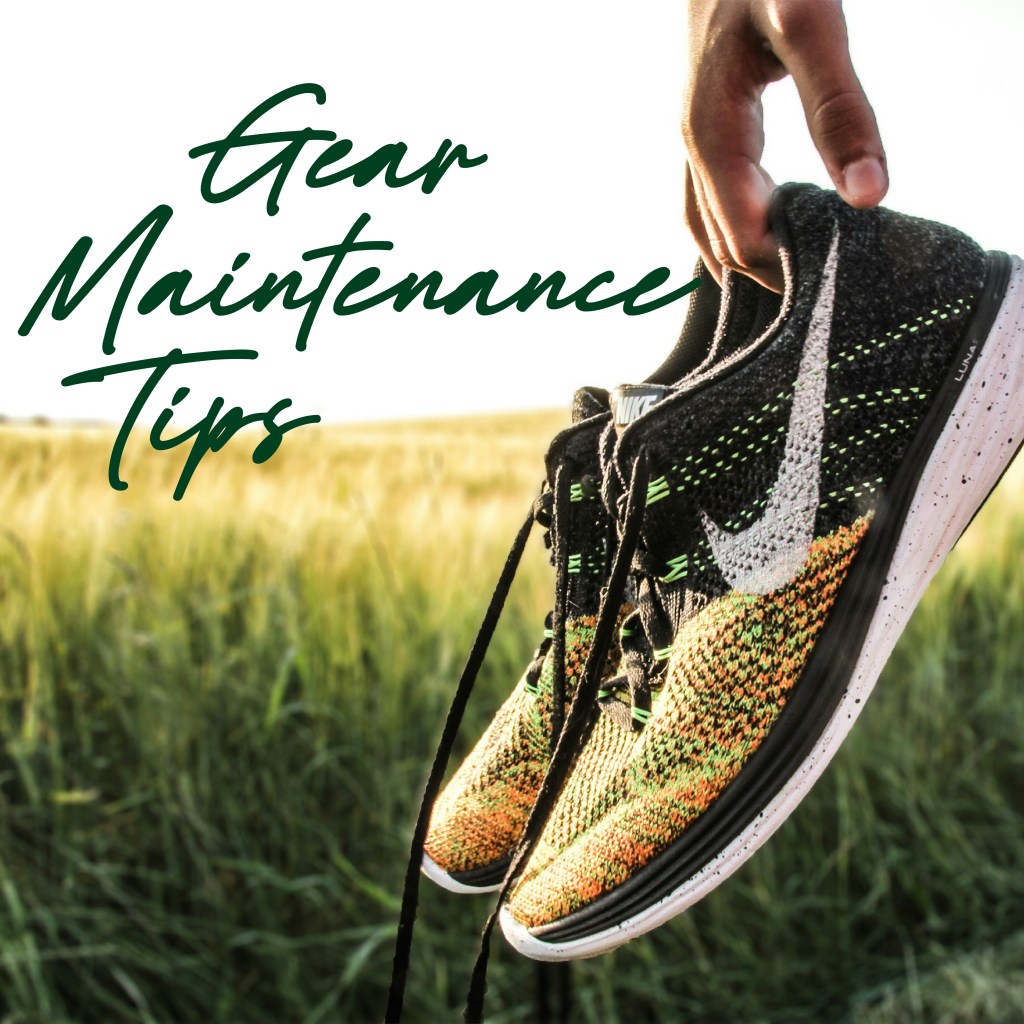
When you invest in quality running gear, you’re not just buying clothes and shoes—you’re equipping yourself with tools that can help you achieve your personal best. Whether it’s a high-performance pair of shoes or moisture-wicking apparel, proper care can extend the life of your gear, keeping it functional and comfortable for many more miles. Let’s dive into some essential tips for taking care of your running gear, so it can continue supporting you on every run.
1. Proper Shoe Maintenance
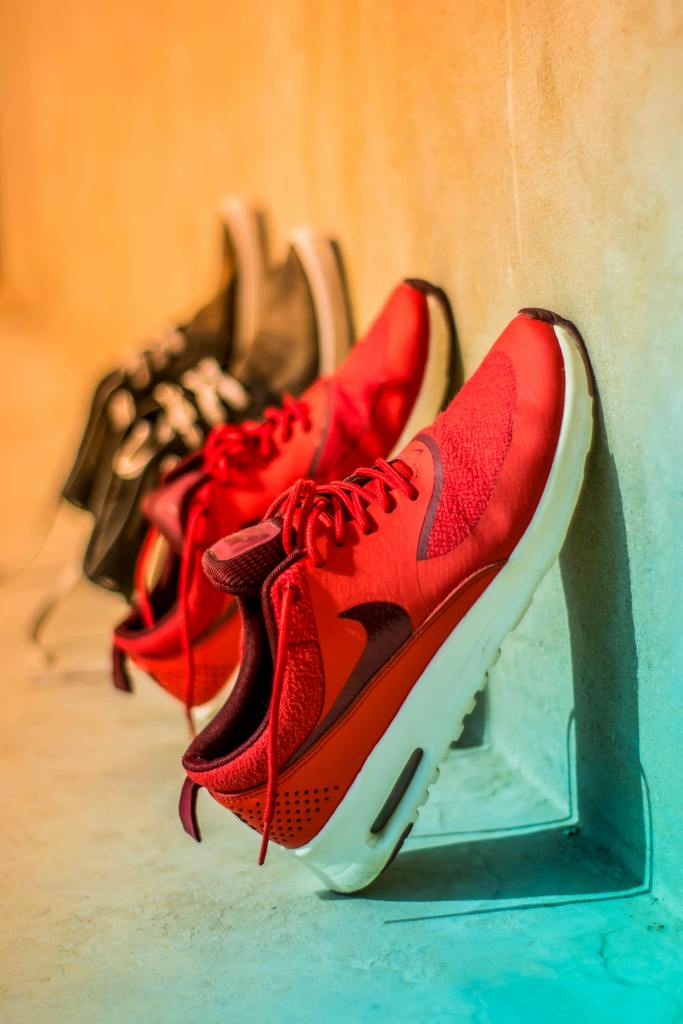
Your running shoes are arguably the most critical part of your gear, and they endure the most wear and tear with every mile you run. From pounding on pavement to absorbing shock on trails, your shoes need special care to maintain their structure and support. Rotating between pairs can give each pair time to recover from the constant compression, preventing early degradation of the cushioning materials and helping them last longer.
Allowing shoes to air out after a run is also crucial. The moisture from sweat can cause the shoes to develop odors, weaken the glue holding them together, and create an environment where bacteria and mold can thrive. Simply placing them in a well-ventilated area can help dry them out properly. When it comes to cleaning, avoid the washing machine; instead, scrub gently with a brush and let them air dry to maintain their shape and structure. While you can care for them well, remember that shoes have a mileage limit—typically between 300 to 500 miles—so track your miles and replace them as needed to avoid injuries caused by worn-out soles and support.
2. Wash Running Apparel with Care
Running apparel, made of high-tech, synthetic fabrics, is designed to wick away moisture and keep you comfortable. However, these fabrics are sensitive to high temperatures and rough washing. Always opt for a cold, gentle wash cycle to preserve their fibers and prevent damage. Over time, hot water and harsh detergents can cause the materials to break down, losing their moisture-wicking abilities and reducing their performance.
Fabric softeners are another common culprit. While they may make clothes feel soft, they coat the fibers and reduce the breathability of your running clothes, trapping sweat and odors. Stick to a mild detergent that’s designed for synthetic fabrics. After washing, avoid using the dryer, which can shrink or warp the materials. Hang-drying is the best option to keep your running clothes in good condition for as long as possible, allowing the fibers to retain their elasticity and moisture-wicking properties.
3. Care for Compression Gear
Compression gear, such as socks, sleeves, and tights, plays an essential role in recovery and performance, aiding in blood flow and reducing muscle fatigue. These items, however, are particularly delicate and require more attention than standard running apparel. Washing them too aggressively or exposing them to heat can weaken the compression, reducing their effectiveness. Hand washing is the safest method, but if you prefer machine washing, be sure to use a mesh laundry bag to prevent snagging.
It’s equally important to avoid the dryer. The heat can weaken the elastic fibers, causing them to lose their tight fit, which is what makes compression gear effective in the first place. Air drying is the way to go. Proper care of your compression gear ensures that it continues to give you the performance and recovery benefits you invested in, while also extending its life.
4. Maintain Hydration Packs and Water Bottles
Staying hydrated is key to any successful run, but keeping your hydration gear clean is just as important for your health and comfort. After each use, especially if you’ve filled your bottles or packs with sports drinks or electrolyte mixes, it’s crucial to rinse them out. Sugary drinks can leave residue that fosters bacteria and mold if left uncleaned. Simple water may not be enough; using a mix of warm water and baking soda or vinegar can help remove stubborn odors and thoroughly clean out any lingering contaminants.

Ensuring your hydration pack or water bottle dries out completely is also vital. If moisture is left in the reservoir or bottle, it becomes the perfect breeding ground for mold, which can ruin your gear and even make you sick. Leaving the cap off or hanging your pack upside down allows for proper air circulation, ensuring it dries fully between uses. Taking the time to clean and maintain these hydration tools will help them last through countless runs without losing their integrity.
5. Don’t Forget Your Accessories
While running clothes and shoes often take center stage in gear maintenance, accessories like sunglasses, hats, and running watches also need attention. Sunglasses are exposed to sweat, dirt, and grime during every run, so it’s essential to clean them regularly. Using a microfiber cloth prevents scratching the lenses, and a proper lens cleaner can eliminate sweat buildup without damaging the coatings on the lenses.
Hats and visors absorb sweat and dirt, especially in hot weather, and they can become stained or lose their shape if not cared for properly. Hand washing them with mild soap in cold water will help retain their structure and keep them looking fresh. Your running watch, particularly if it has a silicone band, also benefits from regular cleaning to remove sweat and dirt. A gentle wipe down after each run can prevent skin irritation and keep your watch functioning well over time.
Final Thoughts: Small Steps, Big Results
Caring for your running gear doesn’t have to be complicated, but the little extra attention you give it will pay off in the long run—pun intended. By taking the time to properly clean, store, and maintain your gear, you’ll not only make it last longer but also ensure it performs at its best, helping you reach your running goals mile after mile.
 Running Endeavor
Leave a comment