
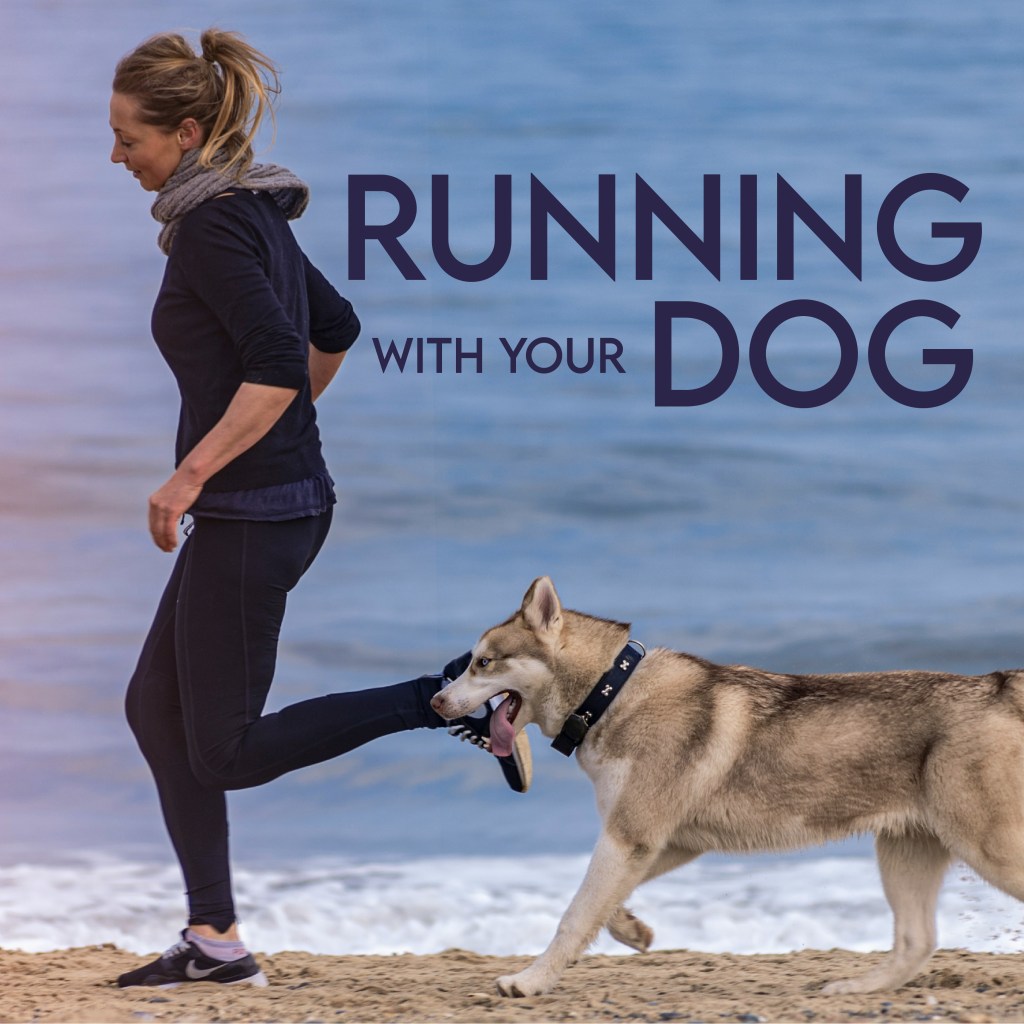
Running with your dog can be an incredibly rewarding experience, not just for you but for your furry companion as well. It’s a great way to bond, stay active, and provide both physical and mental stimulation. However, to ensure a safe and enjoyable run, it’s important to consider a few key factors. Let’s dive into the benefits of running with your dog and the tips to make it a smooth experience.
The Benefits of Running with Your Dog
1. Improved Physical Fitness (for Both of You)
Running is an excellent cardiovascular workout, and dogs, like humans, need regular exercise to stay healthy. Running helps keep your dog’s weight in check, strengthens muscles, and improves joint health. Dogs that don’t get enough exercise are more prone to obesity, which can lead to serious health conditions like diabetes or arthritis. By incorporating running into their routine, you’re helping them maintain a healthy lifestyle.
For you, running with a dog can also boost motivation. Having a running partner who never cancels plans or gets tired of the same route means you’re more likely to stick with your fitness goals. Plus, dogs tend to have a contagious enthusiasm, making even a simple run feel like an exciting adventure. Whether you’re working on endurance or simply maintaining a healthy routine, your dog is right by your side, pushing you to keep going.
2. Strengthened Bond
Running together is a fantastic way to build a deeper connection with your dog. When you’re out on a run, you’re relying on each other to move in sync, communicate effectively, and look out for one another. This dynamic fosters a sense of teamwork, trust, and companionship. Whether you’re navigating a crowded street or finding your rhythm on a trail, your dog becomes more attuned to your movements and commands.
Additionally, running can reinforce positive behaviors. Dogs that run regularly with their owners tend to be more disciplined and responsive to commands like “heel” or “stay,” which can improve obedience during walks or other activities. The act of running itself can become a training exercise where your dog learns to stay focused amidst distractions. Over time, this bond built through regular runs strengthens, making your dog not just a running partner, but a better-behaved companion overall.
3. Mental Stimulation for Your Dog
Running offers your dog a stimulating environment, where they can explore new surroundings through their senses. Dogs rely heavily on their sense of smell, and every new trail or park provides a rich tapestry of scents for them to process. This mental stimulation can help alleviate boredom, which often leads to behavioral issues such as excessive barking or destructive tendencies at home.
High-energy or working breeds, in particular, benefit greatly from both physical and mental engagement. Dogs like Border Collies, Shepherds, and Terriers often need more than just a backyard romp to stay balanced. Running allows them to expend pent-up energy in a productive way. Engaging their body and mind simultaneously helps curb anxious behaviors and ensures that by the end of your run, they are not only physically tired but mentally content.
4. A Healthier Routine
One of the best ways to ensure consistency in your fitness regime is by involving your dog. Running with your dog naturally adds accountability to your routine. Once they’ve associated the running gear with an upcoming adventure, they’ll become your eager reminder to stick to your schedule. Rain or shine, it’s hard to turn down a run when your pup’s tail is wagging at the front door.
The health benefits aren’t just limited to the physical. Regular runs with your dog also provide structure and routine, which is important for both humans and dogs. Knowing that you have scheduled time together helps relieve stress, lowers blood pressure, and contributes to overall mental well-being. And for your dog, establishing a consistent pattern of exercise and rest helps regulate their energy levels, preventing bouts of hyperactivity at inopportune times (like when you’re trying to relax at home).
Tips for Running Safely with Your Dog
1. Start Slow and Build Up
When you first begin running with your dog, it’s important to remember that they need to build endurance just like humans. Even if your dog is active, don’t assume they can immediately handle a long-distance run. Begin with shorter runs, around 10-15 minutes, and slowly increase the distance over several weeks. This gradual approach prevents injuries such as pulled muscles or joint strain, which can occur if your dog is overworked too quickly.
Always monitor how your dog reacts during and after the run. Signs of fatigue can include heavy panting, lagging behind, or wanting to stop more frequently. These are clear indicators that your dog needs a break or that the pace may be too fast for them. Take it slow, especially in the beginning, to ensure a long, injury-free running partnership.
2. Choose the Right Breed and Age
While running can be great for most dogs, some breeds are naturally more suited to endurance activities than others. Breeds like Labradors, Vizslas, and Weimaraners are built for stamina and thrive on physical exertion, making them ideal running partners. However, brachycephalic breeds like Bulldogs and Pugs, who have shorter snouts, often struggle with breathing issues, especially during intense exercise. Always take your dog’s breed into account before embarking on a running routine.
Age also plays a crucial role. Puppies, although full of energy, should avoid rigorous running until their growth plates have fully developed, typically around 12 to 18 months. Running too early can lead to joint and bone problems later in life. Similarly, older dogs may not be able to handle the same intensity as they did in their youth. Always consult your vet before starting a running regimen, especially if your dog is young or entering their senior years.
3. Keep Hydration in Mind
Just like humans, dogs need to stay hydrated during exercise. Dehydration can lead to serious health issues like heatstroke or exhaustion, which are particularly dangerous for dogs who can’t sweat the way humans do. Always bring water on your runs, especially if you plan to go for more than 20-30 minutes. Many collapsible dog bowls are easy to carry, or you can invest in a water bottle with a built-in dispenser for your dog.
In addition to bringing water, be mindful of where you’re running. If the sun is blazing and there’s little shade, take more frequent water breaks. Dogs tend to overheat more quickly than humans, especially if they have thick coats or are running in hot conditions. Short breaks not only allow for hydration but also give your dog a chance to cool down and recover before continuing.
4. Mind the Weather
Running in extreme weather conditions can pose challenges for both you and your dog. On hot days, pavement and asphalt can become scorching, which can burn your dog’s paws. If you’re running in warm weather, try to go early in the morning or later in the evening when temperatures are cooler, and always check the pavement temperature before heading out. You can place your hand on the pavement—if it’s too hot for you to hold your hand there for more than a few seconds, it’s too hot for your dog.
On the other hand, cold weather can also be tough on your dog, especially if they aren’t a breed that’s well-equipped for winter temperatures. Short-haired dogs or those with little body fat may need a jacket to keep them warm, while all dogs might benefit from booties to protect their paws from ice, salt, or freezing surfaces. Always tailor your running routine to the weather to keep your dog comfortable and safe.
5. Use the Right Gear
Having the right gear is essential for running safely with your dog. A hands-free leash that wraps around your waist allows for a more natural stride and better arm movement, giving you more control without worrying about holding onto a leash. It also reduces the chances of pulling, which can be uncomfortable for both you and your dog, especially during longer runs.
Harnesses are often a better choice than traditional collars, especially for dogs who pull. A harness distributes pressure more evenly across your dog’s body, reducing the strain on their neck. Reflective gear, for both you and your dog, is crucial if you’re running in low-light conditions. Reflective leashes, vests, or collars can increase your visibility to drivers or cyclists, adding an extra layer of safety.
6. Stick to Dog-Friendly Paths
Not all running paths are ideal for your dog. Trails with soft dirt, grass, or gravel are much easier on their paws and joints than concrete or asphalt. Hard surfaces can cause paw abrasions or exacerbate joint issues over time, especially for older dogs or those prone to hip and joint problems.
Additionally, check if the area you’re running in is dog-friendly. Some parks or trails may have leash laws or restrictions on where dogs are allowed. It’s important to respect these rules, both for your dog’s safety and the safety of others. Look for spaces where your dog can enjoy the run without too many distractions or hazards, like heavy traffic or large crowds.
7. Pay Attention to Post-Run Recovery
After a good run, your dog needs time to cool down, just like you. Start with a short cool-down walk to bring their heart rate back to normal. During this time, check their paws for any cuts, scrapes, or irritation, especially if you’ve been running on rough terrain. It’s also important to ensure they rehydrate properly—offer water as soon as you finish the run, and encourage them to drink.
Post-run recovery doesn’t just mean physical rest. Mentally, your dog will also need time to wind down. Some dogs get a post-run burst of energy, while others might immediately want to lie down. Let them dictate how they recover but make sure they’re not overexerting themselves. After all, running is demanding on their body, and a good recovery routine ensures they’ll be ready for the next adventure.
Conclusion
Running with your dog is an excellent way to stay fit, bond, and enhance your dog’s physical and mental well-being. By following a few simple tips and ensuring that your dog’s health and safety come first, you’ll both be able to enjoy countless happy miles together. Whether it’s a daily jog or a weekend trail adventure, running with your dog can add joy and energy to your fitness routine.
 Running Endeavor
Leave a comment