
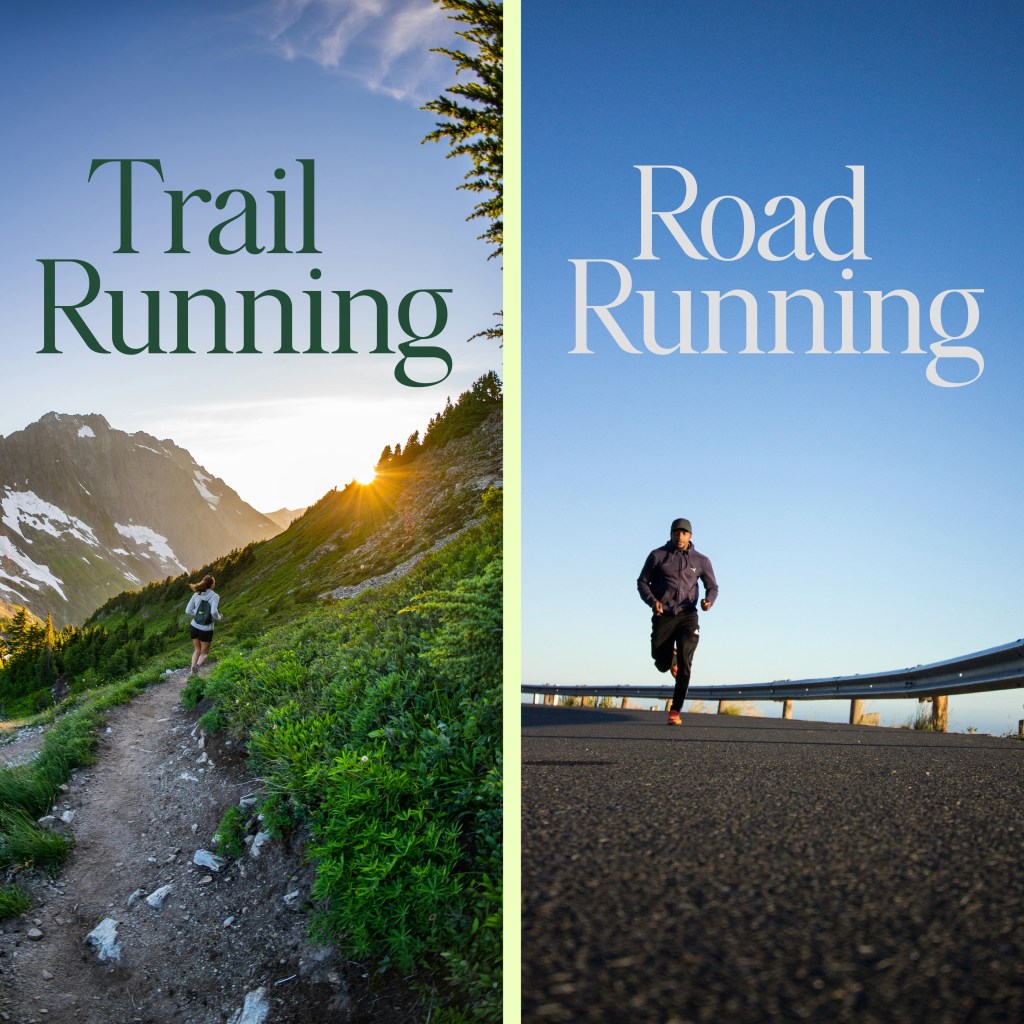
Whether you’re a seasoned runner or just lacing up your shoes for the first time, the decision between trail running and road running can feel like a significant one. Each offers a unique experience and comes with its own set of benefits and challenges. So, how do you choose? Let’s explore the pros and cons of both trail running and road running to help you decide which fits your goals and lifestyle.
Trail Running
Trail running is about much more than just exercise. It’s an immersive experience that combines fitness with adventure, where each run feels like an exploration.
Pros:
- Adventure and Exploration: One of the greatest appeals of trail running is the sense of exploration it provides. Every trail is different, and the terrain can vary dramatically even within the same park or region. This turns every run into an adventure, where you’re constantly discovering new paths, views, and landscapes. It’s the kind of running that feeds a sense of wanderlust and satisfies the urge to connect with the outdoors.
- Environmental Benefits: Running on trails also tends to expose you to cleaner, fresher air. Urban areas are notorious for air pollution, which can impact respiratory health over time. On trails, you’re often running through forests, meadows, or along lakes and rivers, where the air quality is typically much better.
- Strength and Endurance: Trail running challenges your body in unique ways. The constant shifting of terrain engages your stabilizing muscles—your calves, ankles, and core work harder to keep you balanced on uneven surfaces. The inclines and descents also act as natural strength training, toning your legs and improving cardiovascular endurance. Because of this, trail runners often find themselves stronger when returning to flat road running.
- Wildlife Encounters and Scenic Views: There’s something magical about sharing your run with the local wildlife. You might spot deer, birds, or even the occasional fox. The reward of reaching a scenic overlook after a challenging ascent is unmatched. The mental boost you get from being surrounded by nature is not just fleeting; studies show it can improve mood and reduce symptoms of anxiety and depression.
Cons:
- Variable Weather Conditions: Trail running means being more exposed to the elements. While road runners deal with the heat or rain too, trail runners often find themselves running through mud, snow, or slippery rocks. You need to be more prepared for sudden changes in weather, especially if you’re venturing far from civilization.
- Technical Skills Required: Running trails involves a steep learning curve. You’ll need to develop agility, quick reflexes, and a higher level of awareness to safely navigate obstacles like fallen trees, rocks, and sudden changes in elevation. While these skills make you a better runner overall, they can be intimidating at first for beginners.
- Less Focus on Speed: If you’re a runner who enjoys tracking your progress through pace and time, trail running can feel less satisfying. Because of the terrain, your times will be slower, and it may take longer to gauge your improvements. However, trail running is more about endurance and technique than raw speed, which can be an adjustment for some runners.
Road Running
Road running, on the other hand, offers a consistency that allows you to focus on measurable progress and structured goals. It’s the perfect choice for runners who want to track performance and continually challenge their speed and endurance.
Pros:
- Ease of Tracking Progress: One of the main reasons runners love roads is because they’re predictable. Running on a flat, paved surface allows you to easily track your pace and distance, making it easier to set goals and see measurable improvement. For runners training for races like a 5K, 10K, or marathon, this ability to consistently measure progress is invaluable. With apps, GPS watches, and even treadmill runs, you can meticulously track every mile, lap, and stride.
- Race-Centric Training: The majority of races are held on roads, which means road running is perfect for those who want to enter events, meet other runners, and challenge themselves in a competitive setting. The predictable terrain allows you to fine-tune your race-day strategy—working on everything from pacing to hydration without the unpredictability of a trail course.
- Efficient Training: Road running allows you to fit in more mileage in a shorter amount of time. The faster pace and direct routes mean you can efficiently squeeze in a workout, whether you’re heading out for a quick lunch break run or working on distance during your weekend long run. For people with busy schedules, the speed and efficiency of road running can be a significant advantage.
- Urban Exploration: Road running isn’t just about repetitive loops around your neighborhood. It can also be a great way to explore new areas of a city or town. Many runners use their runs to discover different neighborhoods, parks, and landmarks. There’s a satisfaction in weaving through city streets, discovering new routes, and even seeing parts of your area from a fresh perspective.
Cons:
- Monotony and Mental Fatigue: While road running is excellent for building speed and endurance, it can become monotonous. Pounding the pavement for miles on end can start to feel tedious, especially if you’re running the same route frequently. This repetition can lead to mental fatigue, making it harder to stay motivated over time.
- Overuse Injuries: The repetitive motion of running on hard surfaces, like asphalt or concrete, can lead to overuse injuries such as shin splints, runner’s knee, or stress fractures. Runners who don’t cross-train or switch up their routines may find themselves battling these chronic injuries more often than trail runners.
- Exposure to Traffic and Pollution: Running in urban environments often means sharing the road with cars, cyclists, and other pedestrians. The risk of injury from traffic is higher, and you must remain vigilant at all times. Additionally, city running exposes you to pollution, which can affect your respiratory health, especially on busy roads with heavy traffic.
- Limited Scenery: Depending on where you live, road running can lack the visual stimulation that trails provide. The landscape is often filled with concrete, buildings, and vehicles, which may not be as mentally refreshing as running through a forest or mountain range.
Finding Balance
The beauty of running is that it’s highly adaptable. Many runners find that mixing trail and road running in their training schedule provides the best of both worlds. You might hit the trails on weekends when you have more time and want a mental escape, while sticking to the roads during the week when you’re looking to squeeze in a faster, more structured run.
Ultimately, both trail running and road running offer unique experiences, and choosing between them—or integrating both—comes down to personal preference, goals, and how running fits into your life. Whether you’re chasing PRs on the road or seeking serenity on the trails, each run has the potential to take you somewhere new, both physically and mentally.
Happy running!
 Running Endeavor
Leave a comment