
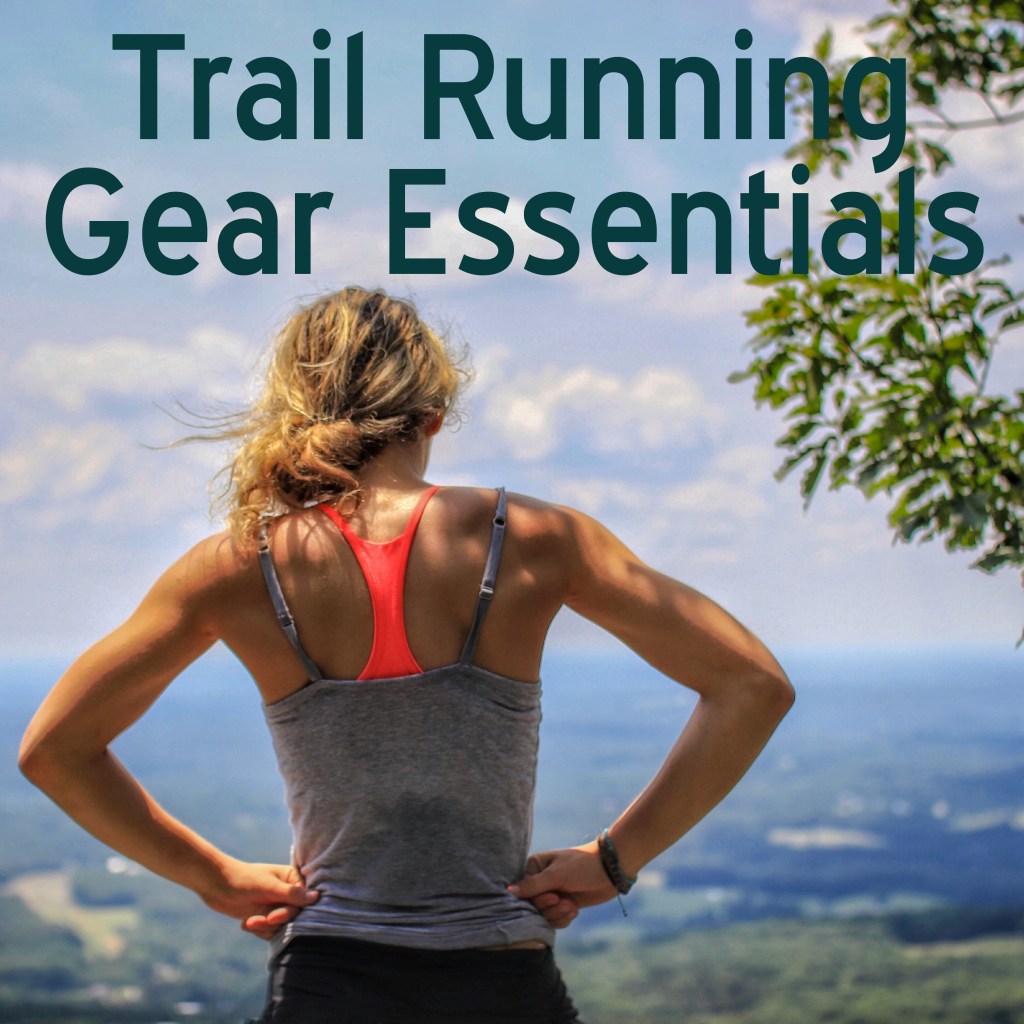
Trail running is more than just running on a different surface—it’s an adventure that combines physical endurance with a deeper connection to the natural world. But unlike running on pavement, trails present their own unique challenges, from uneven terrain to changing weather conditions. The right gear will not only enhance your performance but also keep you safe and comfortable during your off-road adventures. Here’s a detailed breakdown of what you need to bring when you hit the trails.
1. Trail Running Shoes
Your shoes are arguably the most critical piece of equipment for trail running. Unlike road running shoes, trail-specific shoes are designed to handle the unpredictable and varied terrain you’ll encounter on off-road adventures.

From rocky paths to muddy slopes, your feet need the extra grip, stability, and protection that these shoes provide. The rugged outsoles of trail shoes feature deep lugs, which dig into loose surfaces like dirt and gravel, giving you much better traction compared to flat-soled road shoes.
Another key feature of trail running shoes is their added durability. Most models include reinforced toes to shield your feet from rocks or roots, and some even have built-in rock plates in the midsole to prevent sharp objects from poking through. If you’re running in wet or muddy conditions, consider a shoe with quick-drying, breathable materials that won’t hold water and become heavy. Finding the right pair is essential, so take the time to try out different styles to find a balance between comfort, support, and protection.
2. Moisture-Wicking Apparel
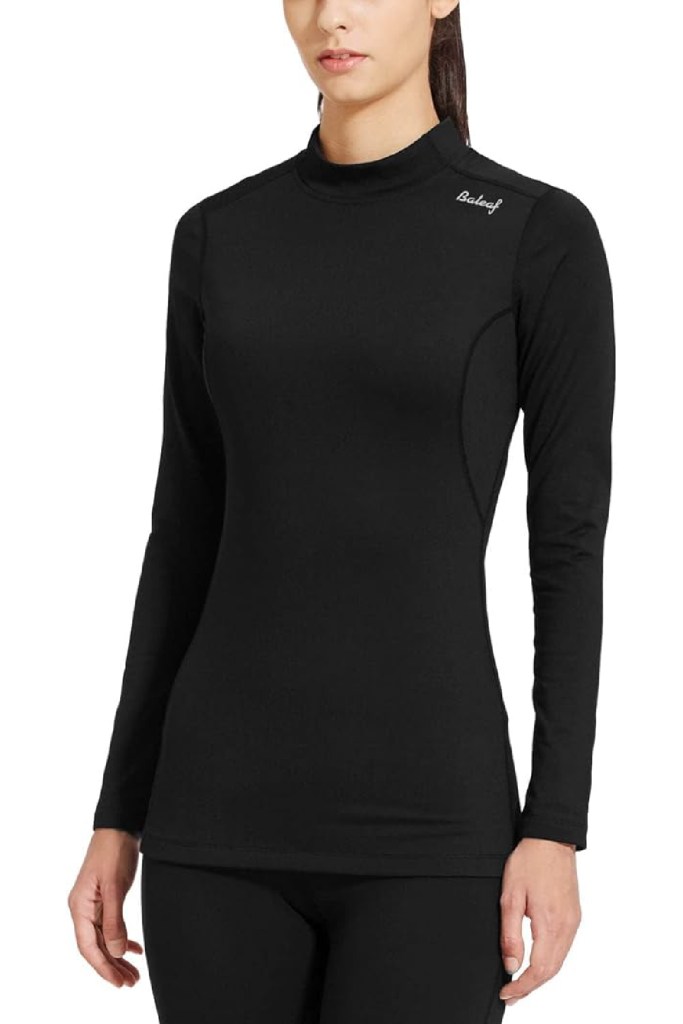
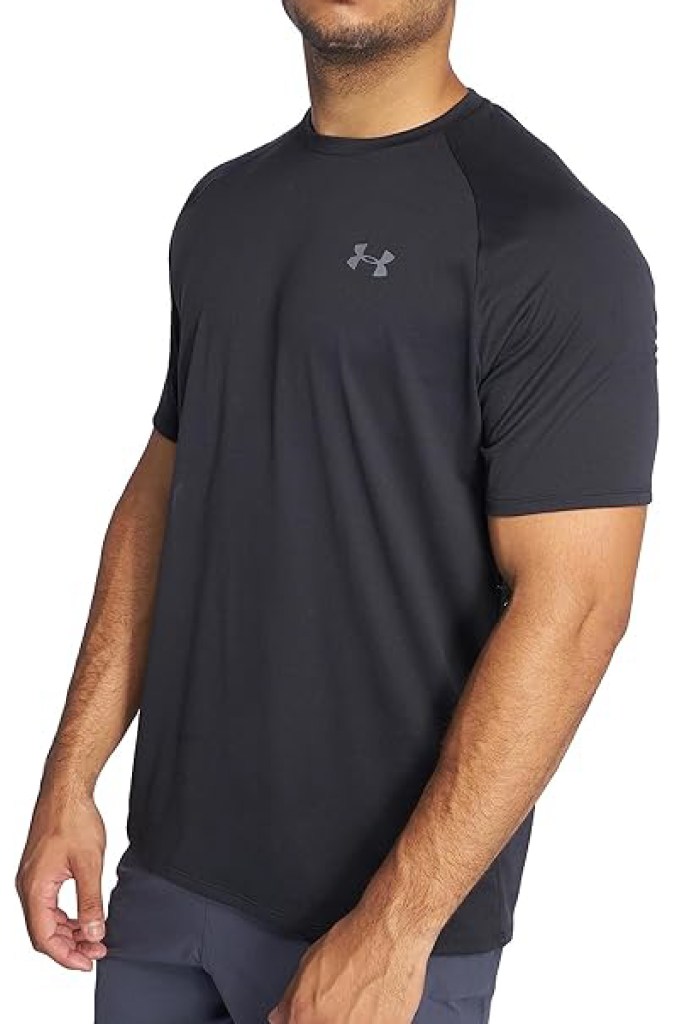
While you can technically run in any comfortable workout gear, trail running requires clothing that can handle varying weather conditions and the demands of rough terrain. Moisture-wicking fabrics are a must because they pull sweat away from your skin, keeping you dry and reducing the risk of chafing. Unlike cotton, which tends to retain moisture and become heavy, technical fabrics like polyester and merino wool help regulate your body temperature by drying quickly and providing breathability.
When choosing your trail running apparel, consider the climate and environment. Lightweight tops and shorts are ideal for warm, sunny conditions, while compression tights offer muscle support for more intense or long-distance runs. In cooler weather, layering is key. Start with a moisture-wicking base layer to manage sweat, then add an insulating mid-layer and a lightweight, packable jacket for wind or rain protection. Merino wool is particularly great for temperature regulation because it warms you up when it’s cold but won’t make you overheat when you start moving.

3. Hydration Systems
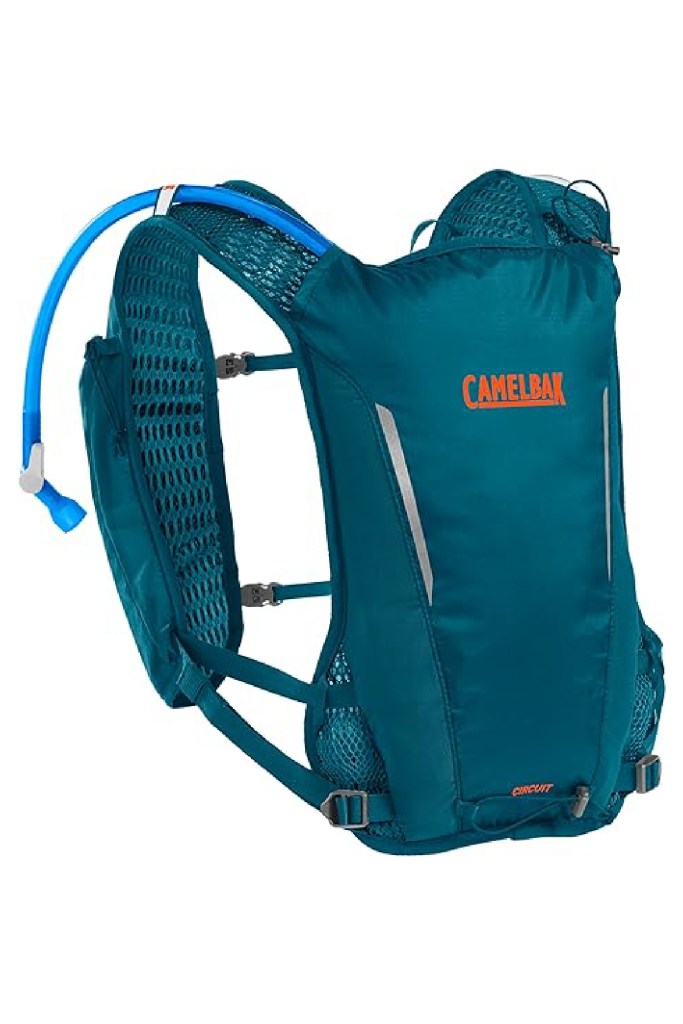
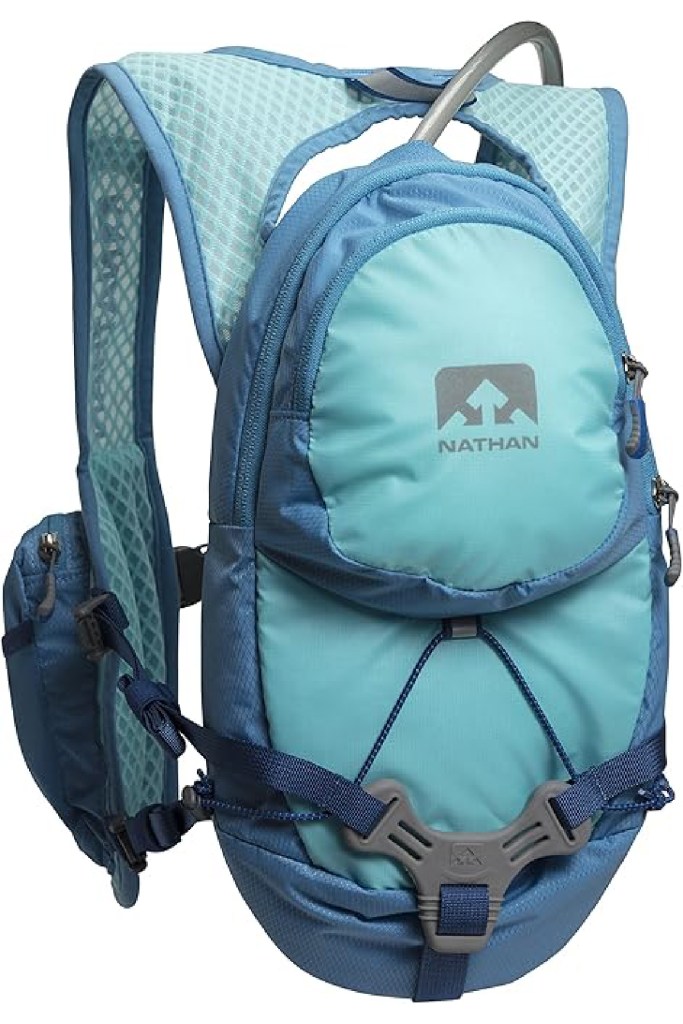
Staying hydrated is crucial when you’re out on the trails, especially when you venture far from water sources. While road runners may find water fountains or convenience stores along their routes, trail runners need to be more self-sufficient. Hydration systems like handheld water bottles, hydration belts, or vests ensure you have easy access to water throughout your run. The type you choose depends on the distance and intensity of your run, as well as personal preference.
For shorter runs, a handheld water bottle may be all you need. These bottles often come with adjustable straps that make them easy to carry without straining your hands. If you’re heading out for a longer or more technical trail run, a hydration vest or pack is a better option. These systems typically come with reservoirs or multiple bottle pockets and can store additional gear, like snacks or a light jacket. The benefit of a hydration vest is that it distributes the weight evenly across your back and shoulders, making it more comfortable for extended periods.

4. Safety Gear
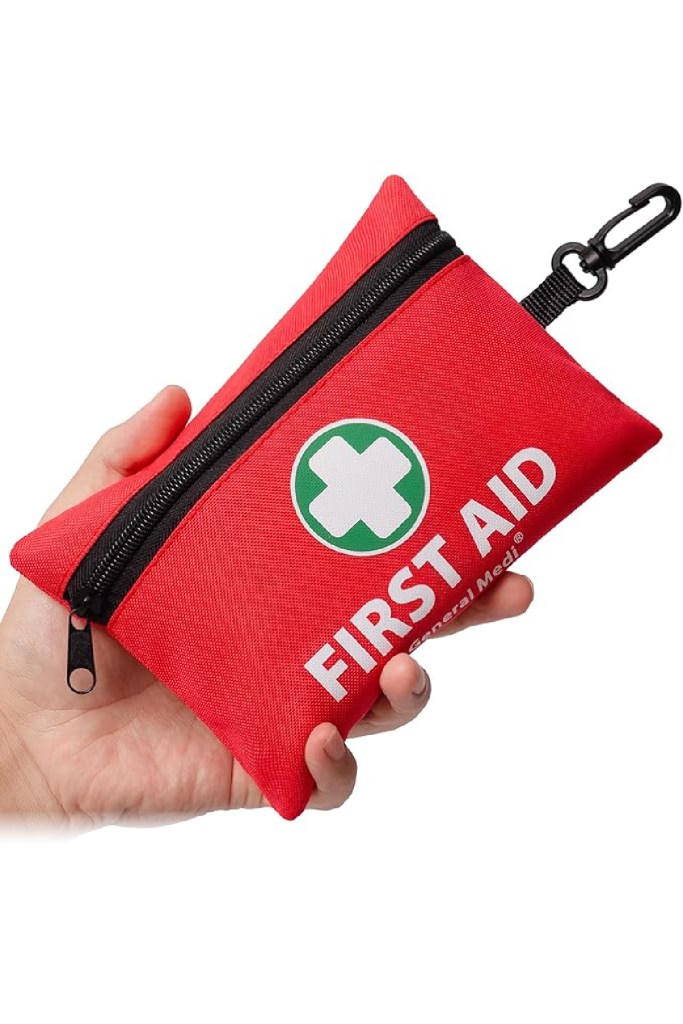
Trail running often takes you into remote areas where you might be far from help if something goes wrong. For this reason, having the right safety gear is non-negotiable. A GPS watch or phone app can help you navigate unfamiliar trails and track your progress, reducing the risk of getting lost. Many trail runners also carry a compact first-aid kit, which can include bandages, antiseptic wipes, and blister care essentials. Even small injuries can become serious if you’re miles from the trailhead, so it’s wise to be prepared.
In addition to first aid, consider carrying an emergency blanket and a whistle. These lightweight tools could be lifesaving in case of an accident or unexpected weather. For runs that start or finish in low-light conditions, a headlamp is essential. Trails are much darker than city streets, and a reliable headlamp will help you avoid tripping over roots, rocks, or uneven ground. Always let someone know your planned route and estimated return time, especially if you’re running solo in a remote area. It’s a simple step that can prevent dangerous situations.


5. Nutrition and Energy
Fueling your body is just as important on the trails as it is during road races. The rugged terrain of trail running requires more energy, so you’ll want to plan your nutrition accordingly, particularly if you’re running for longer durations. Unlike running in the city where you can stop at a café or convenience store, trail runners need to carry their fuel with them. Energy gels, bars, and chews are popular options because they provide quick, digestible calories that are easy to consume while moving.
Electrolyte drinks or tablets can also be beneficial for replenishing lost salts and minerals, especially during hot, sweaty runs. When you’re on the trail for several hours, maintaining a steady intake of carbohydrates and electrolytes helps prevent fatigue and dehydration. You might also consider bringing along some savory snacks like pretzels or nuts for a change of pace from sugary gels. Plan your nutrition based on the intensity and duration of your run, and practice fueling strategies during training to see what works best for you.



6. Trail-Specific Accessories
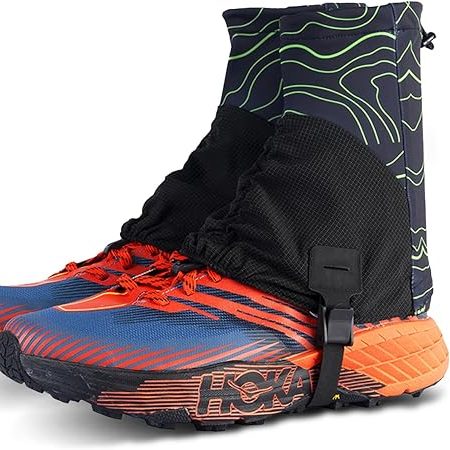
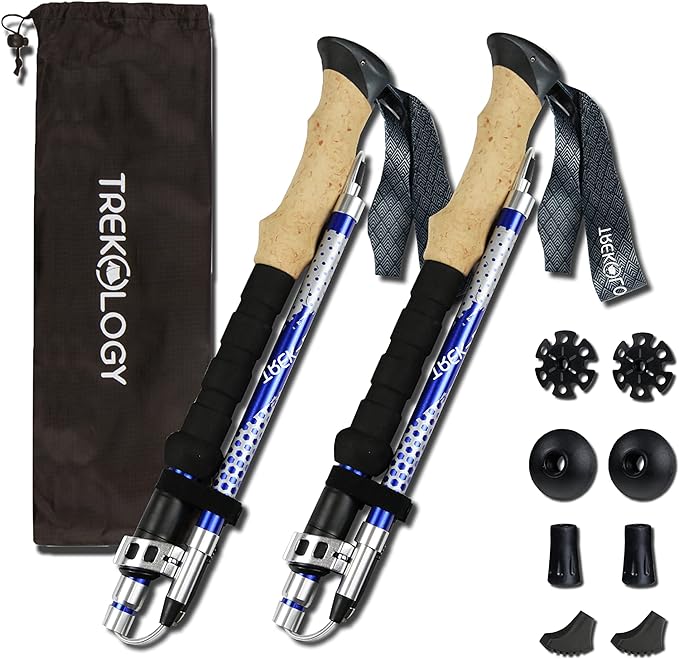
The right accessories can elevate your trail running experience, making it more enjoyable and less stressful. Gaiters, for instance, are small fabric covers that fit over your shoes and prevent dirt, rocks, and other debris from getting inside. They’re especially useful in sandy or loose gravel terrain where even small particles can irritate your feet. Trekking poles are another helpful accessory for runners tackling steep inclines or technical trails. They reduce the strain on your legs during ascents and provide extra stability on challenging descents.
Sun protection is another key consideration, particularly if you’re running in exposed areas like mountain ridges or open meadows. A good pair of sunglasses with UV protection and a wide-brimmed hat will shield your eyes and skin from harmful rays. Also, consider a buff or neck gaiter, which can double as a face mask in dusty conditions or keep your neck warm in cold weather. These small but effective accessories can make a big difference in your comfort and safety while on the trail.

Trail running is all about embracing the unknown and immersing yourself in nature, but preparation is key. Whether you’re tackling a short local trail or planning a long-distance mountain adventure, having the right gear will ensure you’re ready for whatever the terrain throws at you. Equipped with these essentials, you can focus on the thrill of the run, confident that you’re prepared for any challenge the trail might present.
 Running Endeavor
Leave a comment