

Staying hydrated is one of the most critical aspects of running performance, yet it’s often overlooked by both beginners and seasoned runners. As you lace up your shoes and hit the road or trail, the question of how to keep your body hydrated looms large. Luckily, with advancements in running gear, there’s no shortage of options to suit every runner’s preference, from handheld water bottles to high-tech hydration packs. Let’s dive into the best hydration solutions available and explore what might work best for your next run.
The Essential Handheld Water Bottle
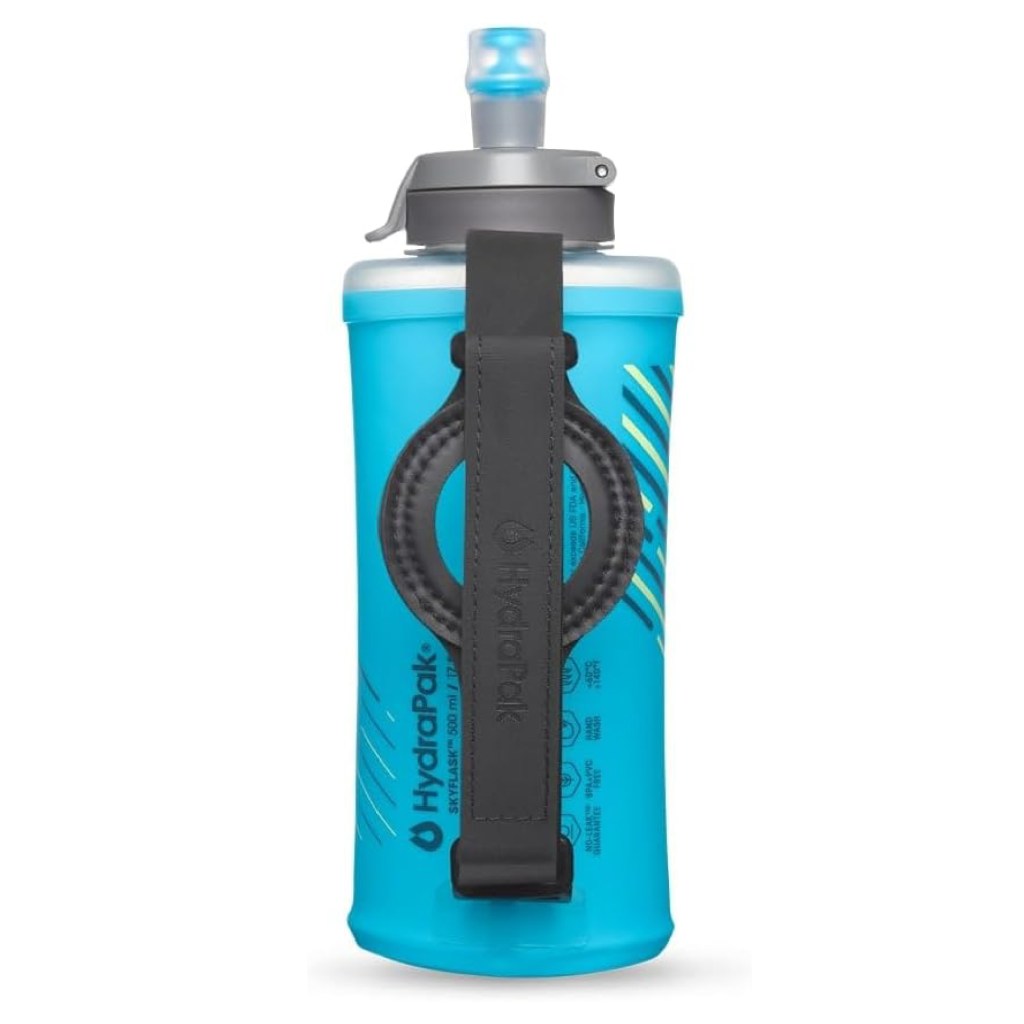
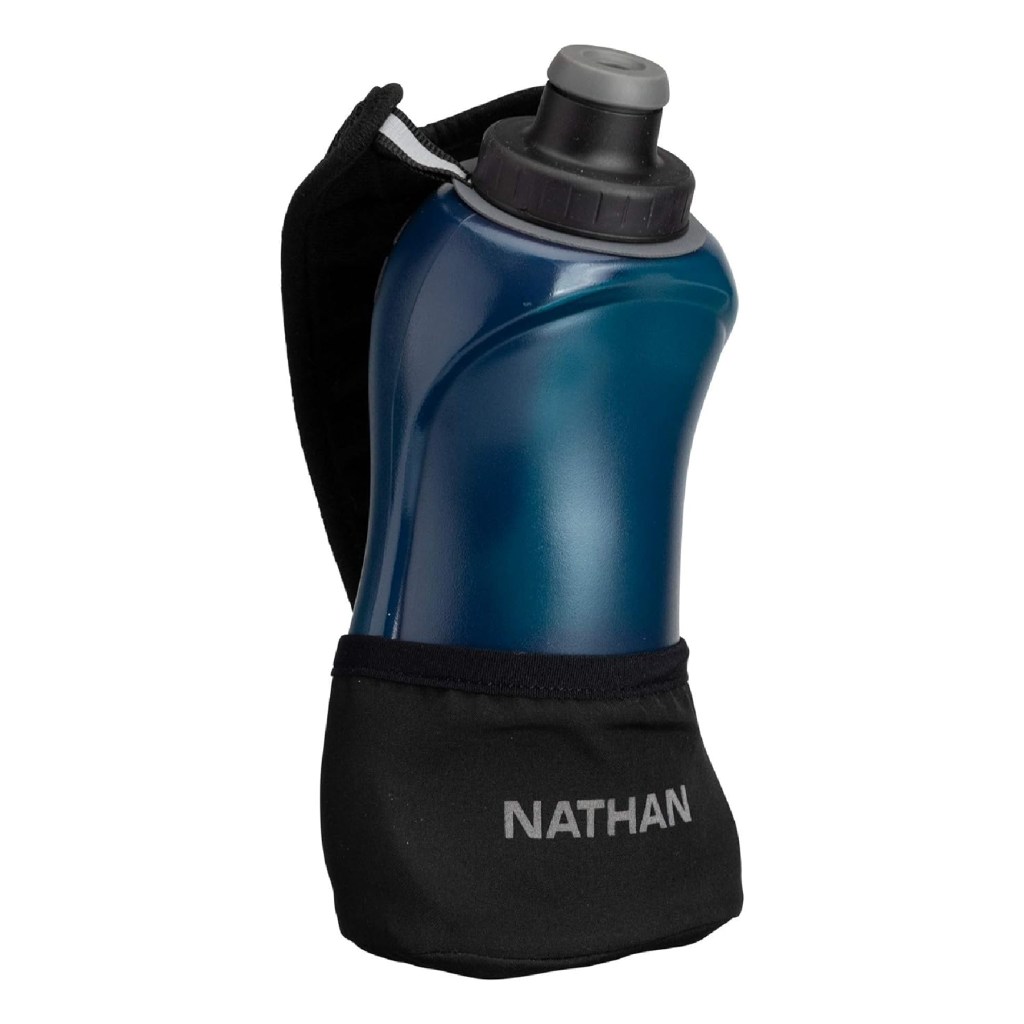
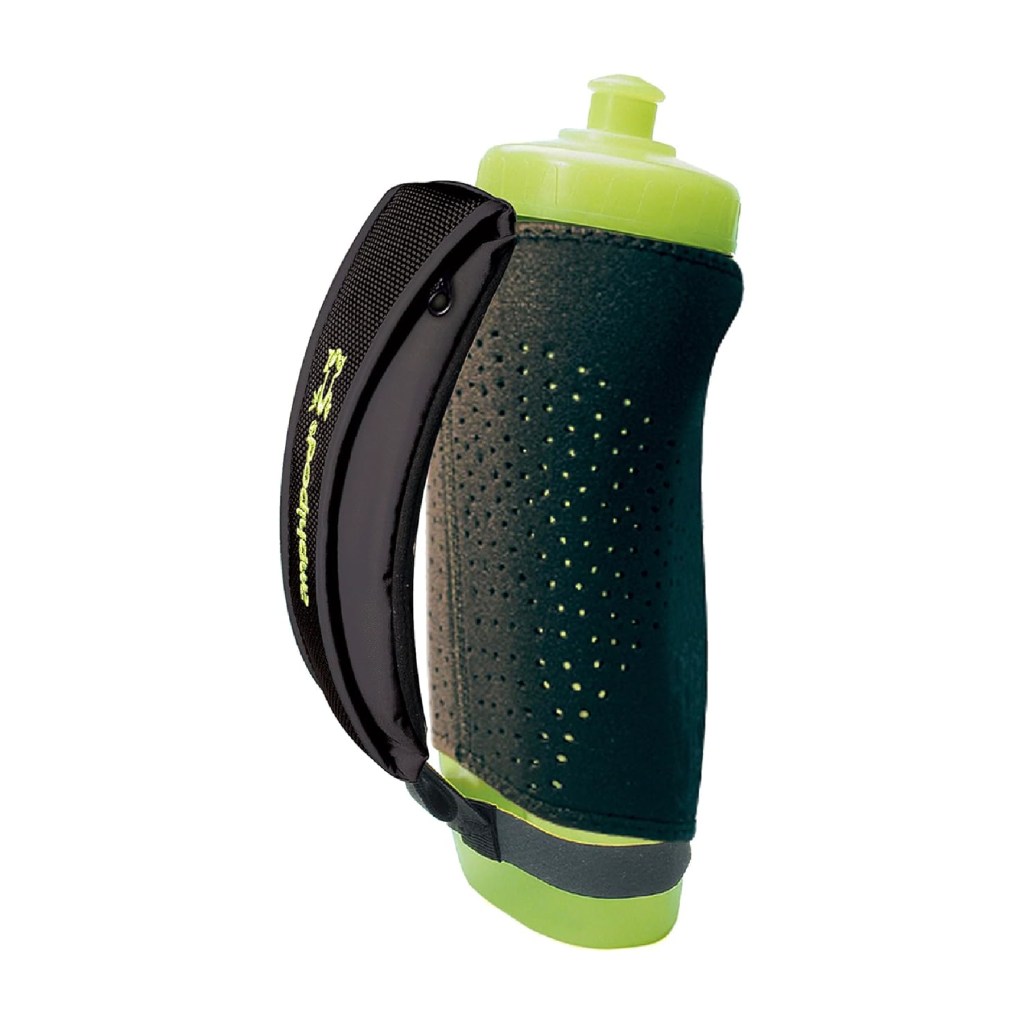
Handheld water bottles are a classic choice for many runners, especially those who enjoy shorter runs or prefer to keep their hydration simple. These bottles are typically lightweight, ergonomically designed, and equipped with adjustable straps, allowing you to carry them comfortably without feeling weighed down. They offer a straightforward way to stay hydrated, allowing runners to maintain a natural stride without having to worry about complicated gear.
Pros:
- Easy to access while running—just reach and sip. This quick accessibility can be crucial during fast-paced runs where breaking your rhythm to grab a drink could affect your performance. No need to stop and dig through a pack or twist around awkwardly to grab a bottle from your waist. Just reach, squeeze, and keep going.
- Most are insulated, keeping your water cool even during hot runs. If you’re running in the heat, a cold drink can feel like a lifesaver, helping to regulate body temperature and preventing overheating. Insulation is especially beneficial for those running in sunny, hot climates where regular water bottles would warm up too quickly.
Cons:
- Limited water capacity, usually between 12-18 oz. This amount is ideal for shorter runs but might not be enough for longer or more intense sessions. You’ll likely need to plan water refills or hydration stops if you’re running over an hour, especially in the heat.
- Can cause fatigue in your hand and arm over longer runs. Holding something for miles at a time can create an imbalance in your running form. While the bottle may feel comfortable at first, after a few miles, it might start feeling like extra baggage, weighing down one arm more than the other.
If you’re running 5K or 10K races or heading out for a quick jog, a handheld bottle can be a simple, reliable option. However, it’s important to consider your personal comfort, as some runners find the constant grip annoying or tiring. If you value simplicity and don’t mind having one hand occupied, handhelds might be the perfect match.
Hydration Belts: Balance and Convenience
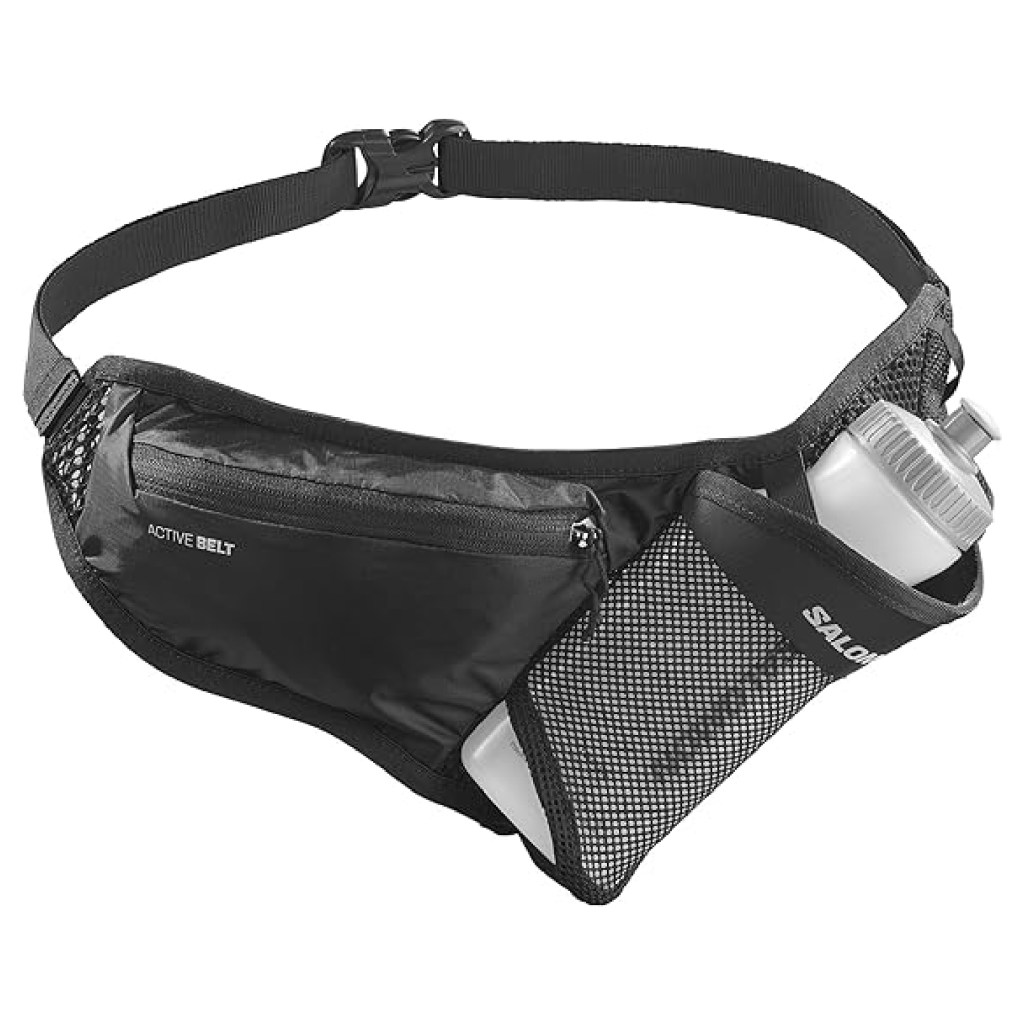
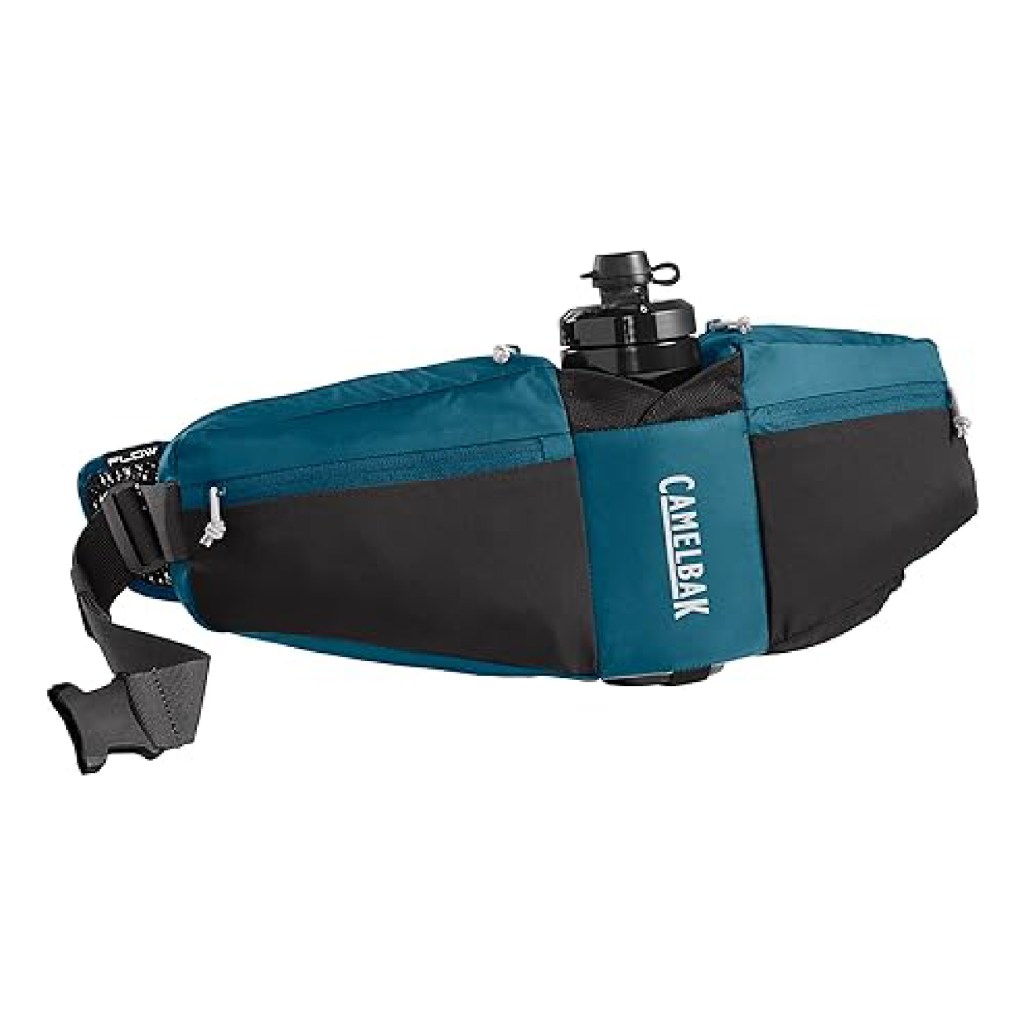
For those looking for hands-free hydration without wearing a bulky backpack, hydration belts can be a perfect middle ground. These belts often hold one or two small bottles and are designed to sit snugly around your waist, providing balance and easy access during your run. The beauty of hydration belts is that they offer flexibility—many models feature customizable bottle placements and storage pockets to suit your specific needs.
Pros:
- Frees up your hands, allowing for a more natural running form. Running with free hands enables you to maintain better balance and rhythm, making your form more efficient. This hands-free benefit is great for runners who want the simplicity of carrying water but without feeling encumbered by a bottle in their hand.
- Distributes weight evenly, reducing strain. The even weight distribution across your waist makes carrying two bottles a breeze, even on longer runs. This is crucial for runners who need more water than a handheld can offer but aren’t ready for the bulk of a hydration pack. By keeping the weight low on your body, you also reduce the chance of shoulder or neck strain.
Cons:
- May bounce or chafe if not adjusted properly. One of the common complaints about hydration belts is that if not fitted securely, they can bounce as you run, which can be irritating and distracting. Chafing around the waist is another issue, especially during longer runs or in hot weather when sweat adds to the discomfort.
- Limited capacity compared to hydration packs. Most hydration belts max out at two small bottles, typically holding no more than 20 ounces in total. While this might be fine for mid-distance runs, if you’re planning longer or more remote runs, you may run out of water before you have a chance to refill.
Hydration belts are great for mid-distance runners who need more than a handheld but aren’t ready for the commitment of a hydration pack. They offer enough water storage for runs of up to 15 miles while keeping you mobile and focused. If you struggle with fit or bounce, be sure to try different models to find one that sits snugly and comfortably on your waist.

Hydration Packs: The Long-Distance Runner’s Best Friend
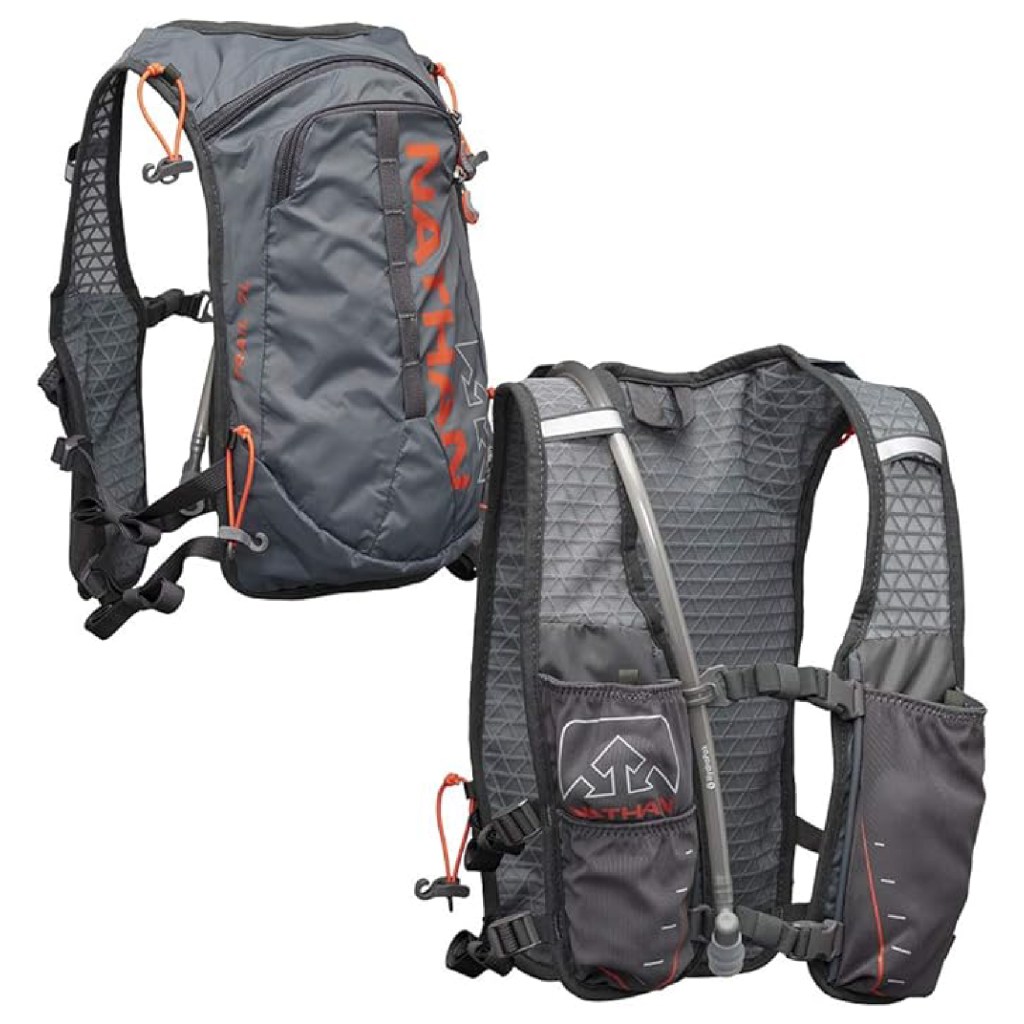
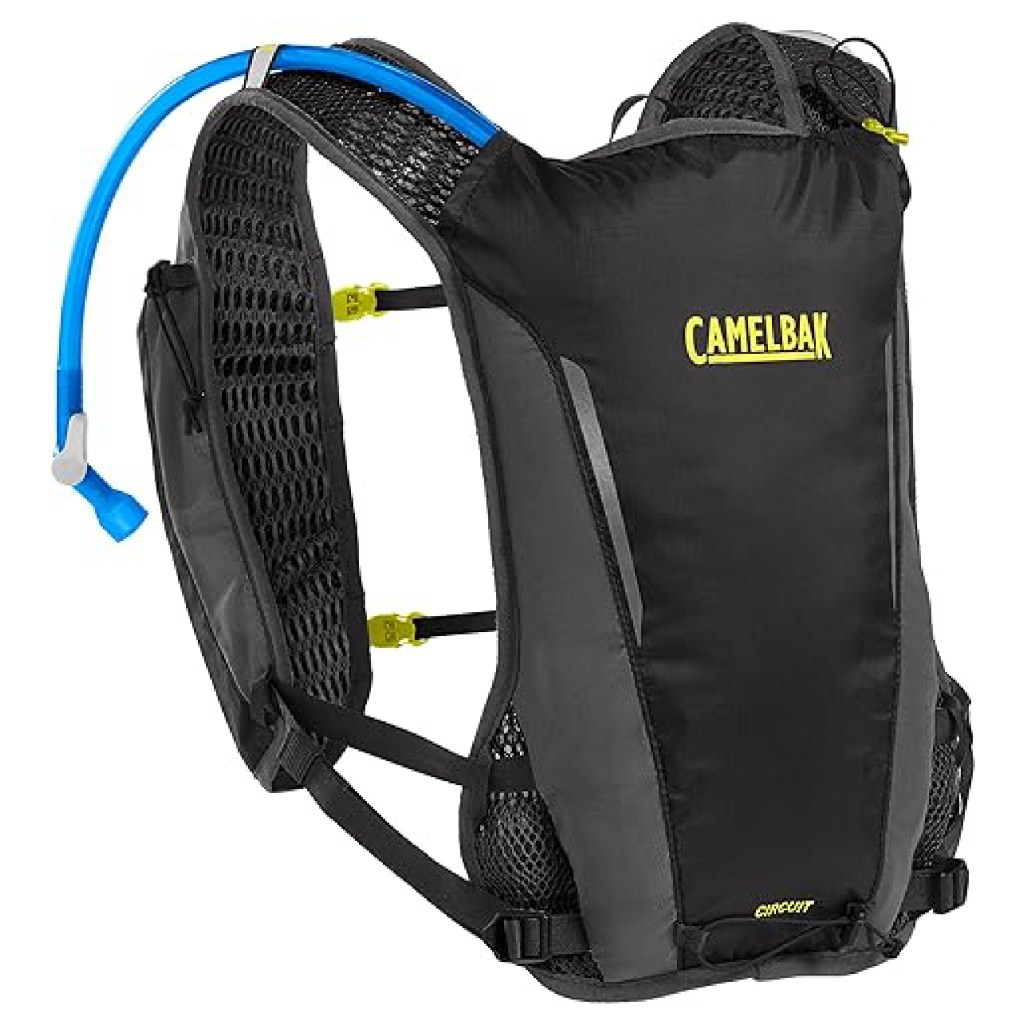
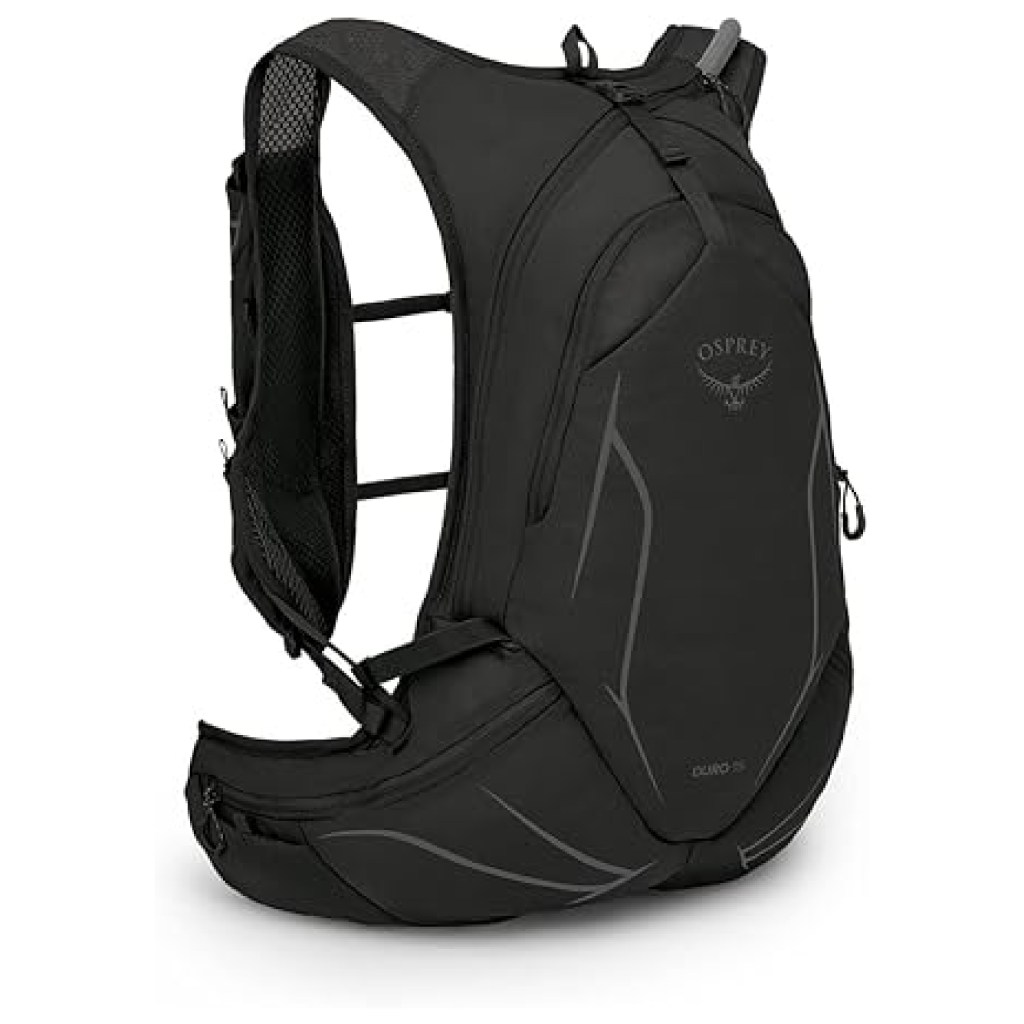
When your runs take you into longer distances or more remote locations, hydration packs (also known as running vests) become essential. These lightweight backpacks are equipped with water bladders, tubes for sipping on the go, and extra storage for snacks and gear. The modern hydration pack is ergonomically designed to fit snugly without restricting movement, making it a favorite among trail runners and marathoners. They provide an all-in-one solution for runners who need hydration, nutrition, and gear storage.
Pros:
- Carries large volumes of water, typically 1-3 liters. The size of the water bladder makes hydration packs ideal for long runs, especially in remote areas where water sources are scarce. With such large capacity, you don’t have to worry about refilling every hour, allowing you to stay focused on the run itself.
- Comes with storage pockets for nutrition, first-aid kits, and more. Besides hydration, these packs often have strategically placed pockets, making it easy to stash gels, bars, or even a lightweight jacket. Having everything you need within reach means you can tackle any distance or condition without stopping to access your gear.
Cons:
- More cumbersome than other hydration methods. Despite their benefits, some runners find hydration packs heavy or awkward, particularly if they’re not fitted correctly. The weight of the water, combined with the movement of running, can sometimes make the pack shift around, affecting your form.
- Takes time to clean and maintain the water bladder and tubes. One of the downsides of hydration packs is that the bladder and sipping tubes need regular cleaning, especially if you use electrolyte drinks or gels. The cleaning process can be fiddly, and if you don’t maintain it properly, mold and bacteria can develop inside the tubes.
Whether you’re training for an ultra-marathon or exploring the mountains, a hydration pack is indispensable. It’s designed for endurance, giving you the capacity to stay hydrated over hours or even days. While they require a bit more care and attention, the benefits of carrying plenty of water and gear make them the ideal choice for serious long-distance runners.
Smart Hydration: The Role of Technology
In today’s tech-driven world, hydration has even gone high-tech. Smart water bottles and hydration tracking devices can help you monitor your fluid intake in real-time. These gadgets remind you to drink at regular intervals and can sync with your running apps to ensure you’re staying hydrated based on your pace, sweat rate, and environmental conditions.
While not essential, smart hydration tools can add a layer of convenience, particularly for those prone to under-hydrating. These devices are especially useful for runners who sweat heavily or run in extreme climates, as they provide personalized feedback that can prevent dehydration before it becomes a serious issue.
Finding What Works for You
There’s no one-size-fits-all solution when it comes to hydration. The key is to experiment with different methods to find what works best for your running style, distance, and terrain. If you’re sticking to short, urban runs, a handheld or belt might suffice. But if you’re hitting the trails or pushing for longer distances, a hydration pack could be your best companion.
Remember, hydration doesn’t stop at choosing the right gear. Make sure you’re also paying attention to your body’s needs before, during, and after your runs. Proper hydration not only boosts your performance but helps prevent injuries and aids recovery. Whether you’re a casual jogger or an ultra-marathoner, staying hydrated is one of the simplest and most effective ways to optimize your running journey.
 Running Endeavor
Leave a comment