
Running is more than just a physical activity; it’s a journey of self-discovery, discipline, and sheer determination. But there’s a crucial aspect that often gets overlooked in this journey: nutrition. Just as a car needs the right fuel to perform at its best, your body requires the right nutrients to optimize running performance. Let’s delve into the world of nutrition and explore how it can elevate your running game.
Fueling the Engine: Carbohydrates
Carbohydrates are the primary fuel source for runners. When you run, your body relies heavily on glycogen, the stored form of carbohydrates in your muscles and liver. Without adequate glycogen stores, you’ll likely hit the dreaded “wall” during your runs. This is that moment when your legs feel heavy, your energy plummets, and finishing the run feels almost impossible. Carbohydrates provide the quick energy burst needed for high-intensity efforts and the sustained energy for endurance.
What to Eat: Include a mix of simple and complex carbohydrates in your diet. Simple carbs like fruits provide quick energy, while complex carbs such as whole grains, vegetables, and legumes offer sustained energy. Think whole grain bread, quinoa, sweet potatoes, and berries. Balancing these two types of carbs ensures you have a steady supply of energy for both short sprints and long-distance runs. Also, timing your carb intake around your runs can help maximize their benefits; eating complex carbs a few hours before a run and simple carbs closer to the start can provide the best of both worlds.
The Building Blocks: Proteins
Protein is essential for muscle repair and growth. Running puts stress on your muscles, and protein helps in the recovery process, ensuring you come back stronger after each run. During intense workouts, muscle fibers undergo tiny tears. Protein aids in repairing these tears, leading to muscle growth and increased strength, which is crucial for runners who want to improve their performance and prevent injuries.
What to Eat: Aim for lean protein sources like chicken, turkey, fish, eggs, and plant-based options such as beans, lentils, tofu, and quinoa. Post-run, a combination of protein and carbs will aid in muscle recovery and glycogen replenishment. Consider a recovery shake or a meal like grilled chicken with brown rice and vegetables to give your body the nutrients it needs to repair and strengthen. Regular protein intake throughout the day, not just after runs, can help maintain muscle mass and support overall recovery.
The Unsung Heroes: Fats
Healthy fats are often misunderstood but play a crucial role in running performance. They provide a slow-burning fuel source for longer runs and are vital for overall health, supporting cell function and reducing inflammation. Unlike carbohydrates, fats are metabolized more slowly, which makes them an excellent energy source for long-distance runners. Additionally, fats help in the absorption of fat-soluble vitamins (A, D, E, and K) which are essential for various bodily functions, including maintaining bone health and immune function.
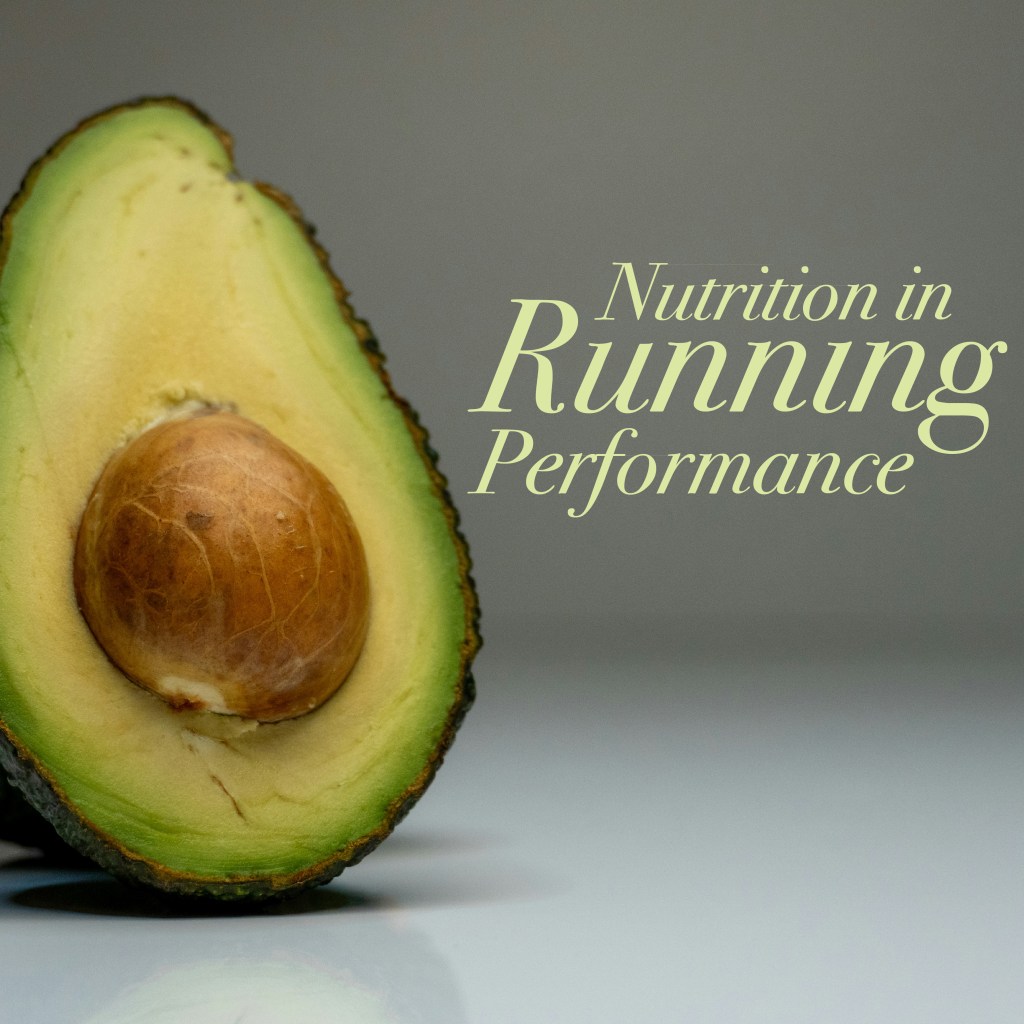
What to Eat: Incorporate sources of unsaturated fats like avocados, nuts, seeds, olive oil, and fatty fish such as salmon. These fats help maintain energy levels and support recovery. Omega-3 fatty acids, found in fish like salmon and flaxseeds, also have anti-inflammatory properties that can help reduce muscle soreness after long runs. A diet rich in healthy fats ensures that your body has a balanced energy source and can support sustained physical activity over longer periods.
Hydration: The Lifeline
Staying hydrated is paramount for runners. Dehydration can lead to fatigue, decreased coordination, and muscle cramps, severely affecting performance. Even mild dehydration can significantly impair your running ability. Water is essential for maintaining blood volume, regulating body temperature through sweating, and lubricating joints. Without adequate hydration, your body’s ability to cool itself and deliver oxygen to working muscles diminishes.
What to Drink: Drink water throughout the day and consider electrolyte-rich beverages during longer runs. Natural options like coconut water or homemade electrolyte drinks with a pinch of salt and a splash of citrus work wonders. Remember, if you feel thirsty, you’re already slightly dehydrated. Monitoring the color of your urine can also help; a light, pale yellow indicates proper hydration, while darker urine suggests you need to drink more fluids. On especially hot or humid days, increasing your fluid intake is crucial to offset the higher sweat loss.
Micronutrients: The Hidden Gems
Vitamins and minerals are the unsung heroes in the realm of nutrition. Iron, for example, is crucial for oxygen transport in the blood, while calcium and vitamin D are vital for bone health. These micronutrients support numerous bodily functions that directly impact running performance, from muscle contraction to energy production. Magnesium, for instance, plays a role in over 300 enzymatic reactions in the body, including those involved in energy production and muscle function.
What to Eat: Ensure a varied diet rich in colorful fruits and vegetables to cover your micronutrient needs. Leafy greens, nuts, seeds, and dairy products are excellent sources of these essential nutrients. Including a variety of foods in your diet helps ensure you get a broad spectrum of vitamins and minerals. For example, foods like spinach and red meat are rich in iron, while dairy products and leafy greens provide calcium. Incorporating a rainbow of fruits and vegetables not only supports your nutrient intake but also adds a range of antioxidants that can help combat oxidative stress from intense exercise.
Pre-Run and Post-Run Nutrition
What you eat before and after your run can significantly impact your performance and recovery. Proper pre-run nutrition ensures you have the energy to complete your run, while post-run nutrition aids in recovery and prepares your body for your next workout.
Pre-Run: Opt for a light meal or snack rich in carbs and moderate in protein, consumed 1-2 hours before running. A banana with peanut butter, a small bowl of oatmeal, or a slice of whole grain toast with avocado are great choices. These foods provide a quick energy boost without being too heavy on your stomach. The timing of this meal is crucial; eating too close to your run can cause discomfort, while eating too early might leave you feeling hungry mid-run.
Post-Run: Replenish glycogen stores and aid muscle recovery with a balanced meal of carbs and protein within 30-60 minutes after your run. A smoothie with protein powder, a turkey sandwich on whole grain bread, or a quinoa salad with veggies and chicken are excellent options. This post-run window is often referred to as the “golden hour” for recovery nutrition. During this time, your muscles are more receptive to nutrient uptake, which can expedite recovery and reduce muscle soreness. Including a small amount of healthy fats in this meal can also help reduce inflammation and support overall recovery.
Listen to Your Body
Ultimately, every runner is unique, and what works for one person might not work for another. Pay attention to how different foods make you feel and adjust your diet accordingly. Experimenting with various foods and timing can help you find the perfect nutrition strategy that suits your body’s needs and your running goals.
Your body gives you signals all the time; learn to listen to them. Feeling sluggish might indicate a need for more carbs, while frequent muscle cramps could point to a need for more electrolytes. Keeping a food diary can help you track what you eat and how it affects your running. Over time, you’ll be able to identify patterns and adjust your diet to optimize performance. Consulting with a nutritionist who specializes in sports nutrition can also provide personalized insights and recommendations.
Conclusion
Nutrition plays a pivotal role in running performance, influencing everything from energy levels to recovery. By fueling your body with the right nutrients, you can enhance your running experience, achieve your goals, and enjoy the journey. Remember, it’s not just about the miles you run, but how you nourish your body along the way. Happy running!
Stay connected for more tips and inspiration on your running journey. Until next time, keep moving, stay nourished, and embrace the road ahead.
 Running Endeavor
Leave a comment