
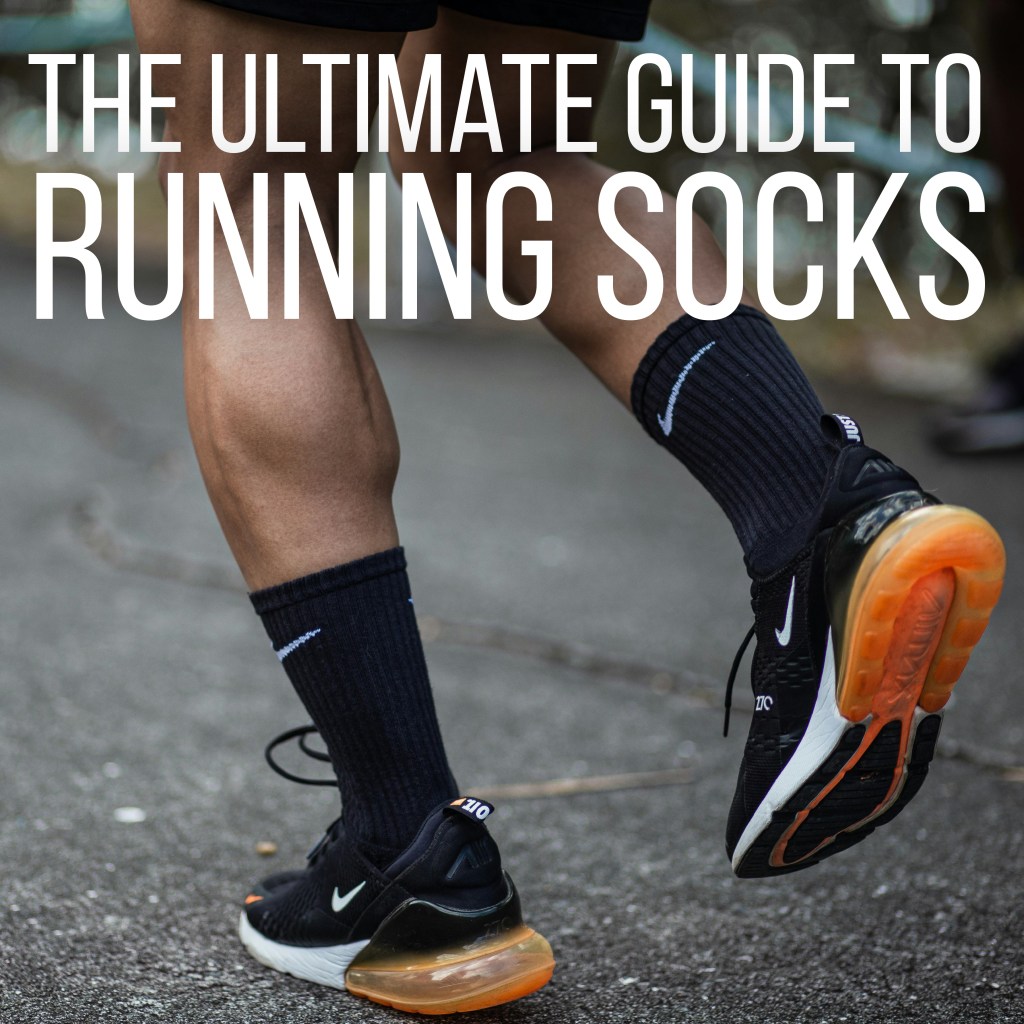
Running is a passion, a discipline, and for many, a way of life. But while most runners invest time and money in the right shoes, they often overlook an equally important piece of gear: running socks. The right socks can make the difference between a comfortable run and a painful one. In this ultimate guide, we’ll dive into the materials, brands, and benefits of running socks to help you make the best choice for your next run.
Why Running Socks Matter
You might think any pair of socks will do for your daily run, but the truth is that running socks are designed specifically to meet the demands of running. Regular socks, like those you might wear casually or to the gym, are often made of materials that can cause blisters, provide inadequate support, and fail to manage moisture effectively. This can lead to discomfort and even injury, making it difficult to maintain a consistent running routine. The last thing you want is to cut a run short because of a blister or irritation that could have been easily avoided with the right gear.
Running socks are engineered with a runner’s needs in mind. They are designed to reduce friction, wick away moisture, and provide targeted support to areas like the arch and heel. This attention to detail is crucial for anyone who is serious about their running, whether you’re training for a marathon or just hitting the pavement for some daily exercise. The right socks can help prevent common running issues like blisters, hot spots, and foot fatigue, allowing you to focus on your performance rather than your discomfort.
Materials: What’s in a Sock?
The material of your running socks is crucial because it determines how well they perform in various conditions. Here’s a breakdown of the most common materials used in running socks:
1. Synthetic Fibers (Nylon, Polyester, Spandex)
Synthetic fibers are the most popular choice for running socks because they wick moisture away from the skin, keeping your feet dry. They also offer excellent elasticity, ensuring a snug fit that minimizes friction. Nylon and polyester are particularly good at managing moisture, which is key to preventing blisters. Spandex adds stretch, allowing the sock to conform to the shape of your foot and stay in place during movement. Together, these materials create a sock that is durable, quick-drying, and capable of standing up to the rigors of regular running.
One of the major advantages of synthetic fibers is their breathability. These materials are designed to allow air to circulate around your feet, which helps to keep them cool during intense activity. This is particularly important during long runs or in hot weather, where overheating can become an issue. Additionally, synthetic socks tend to be lightweight, reducing the risk of feeling weighed down during your run.
2. Merino Wool
Merino wool is a natural fiber known for its ability to regulate temperature, making it ideal for both warm and cold conditions. Unlike traditional wool, merino wool is much finer, which means it’s soft against the skin and doesn’t cause the itchiness often associated with wool products. Merino wool’s ability to manage moisture is one of its standout features—it can absorb up to 30% of its weight in water without feeling wet, which helps to keep your feet dry even when you’re sweating heavily.
Another benefit of merino wool is its natural odor resistance. This is particularly beneficial for runners who log many miles, as it helps to keep socks fresh between washes. Merino wool is also biodegradable and renewable, making it an eco-friendly choice for environmentally conscious runners. Whether you’re tackling a chilly morning run or a sweltering summer race, merino wool socks can help maintain the perfect foot climate.
3. Cotton
While cotton socks are soft and comfortable for everyday wear, they’re not the best choice for running. Cotton retains moisture, which can lead to blisters and discomfort during long runs. When your feet sweat, cotton absorbs that moisture, becoming heavy and damp. This not only causes friction, which can lead to blisters, but also creates an environment where bacteria and fungi can thrive, leading to unpleasant odors and even infections.
For these reasons, it’s generally recommended to avoid cotton socks for running. However, some runners may still prefer the feel of cotton for shorter, less intense runs, where moisture management isn’t as critical. If you do choose cotton, look for blends that include synthetic fibers to help mitigate some of the drawbacks.
4. Blends
Many running socks combine different materials to offer a balance of comfort, moisture-wicking, and durability. A blend of merino wool and synthetic fibers, for example, provides the best of both worlds. Blended socks can offer the softness and temperature regulation of wool, with the moisture management and durability of synthetics. This makes them a versatile choice for runners who face a variety of weather conditions and terrains.
Blends can also include small amounts of spandex or Lycra to improve fit and elasticity. This ensures that the socks stay in place and conform to your foot, reducing the likelihood of bunching or slipping, which can cause blisters. By combining different materials, manufacturers can create socks that cater to the specific needs of different types of runners, whether you’re a trail runner dealing with rugged terrain or a road runner who needs maximum breathability.
Top Brands: Who’s Leading the Pack?
With so many brands on the market, choosing the right running socks can be overwhelming. Here are some of the top brands that consistently deliver quality and performance:
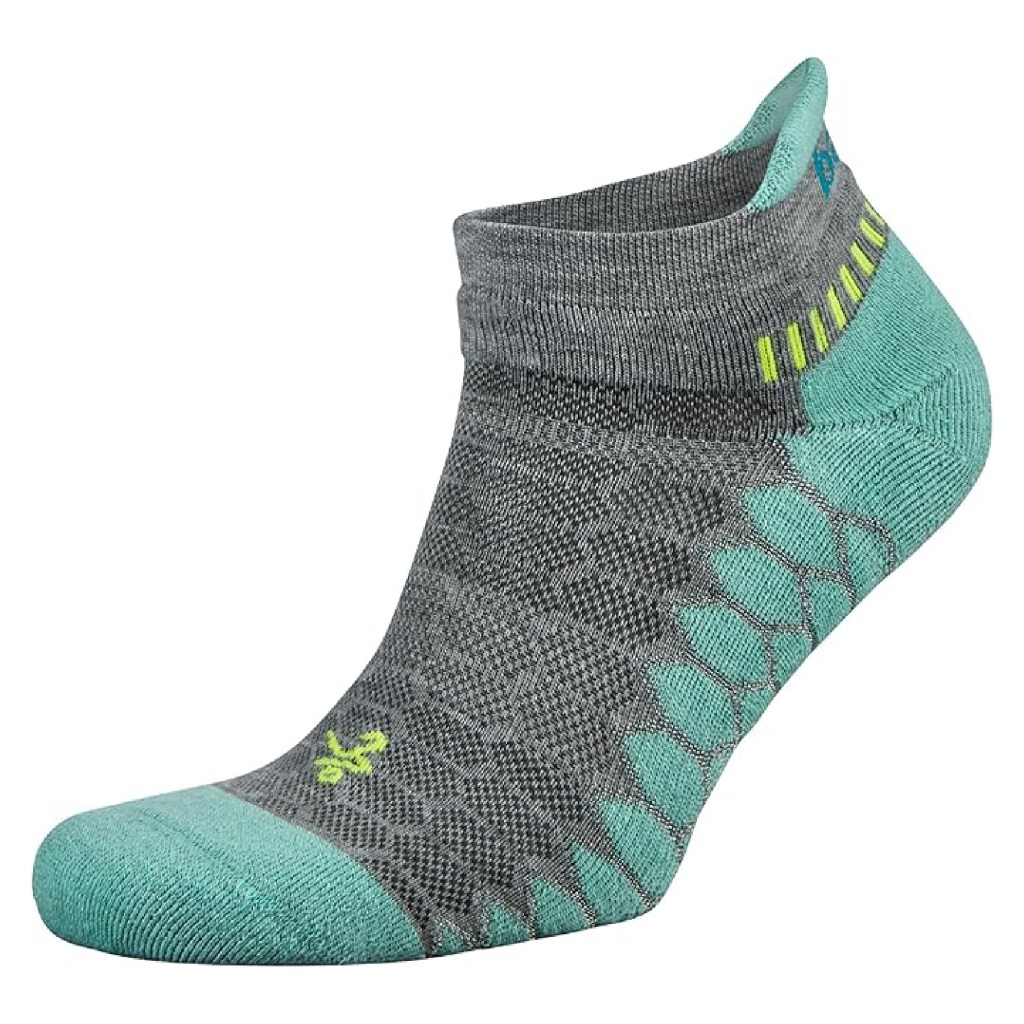
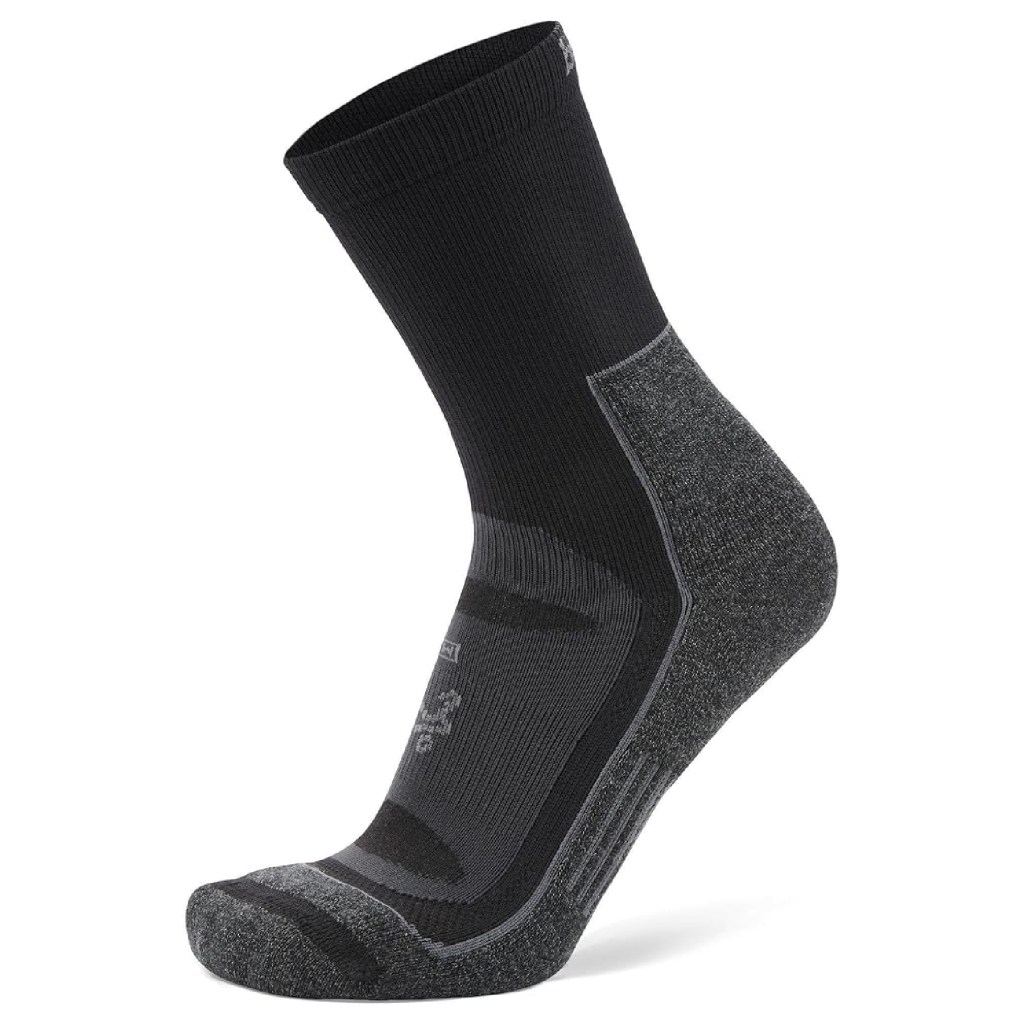
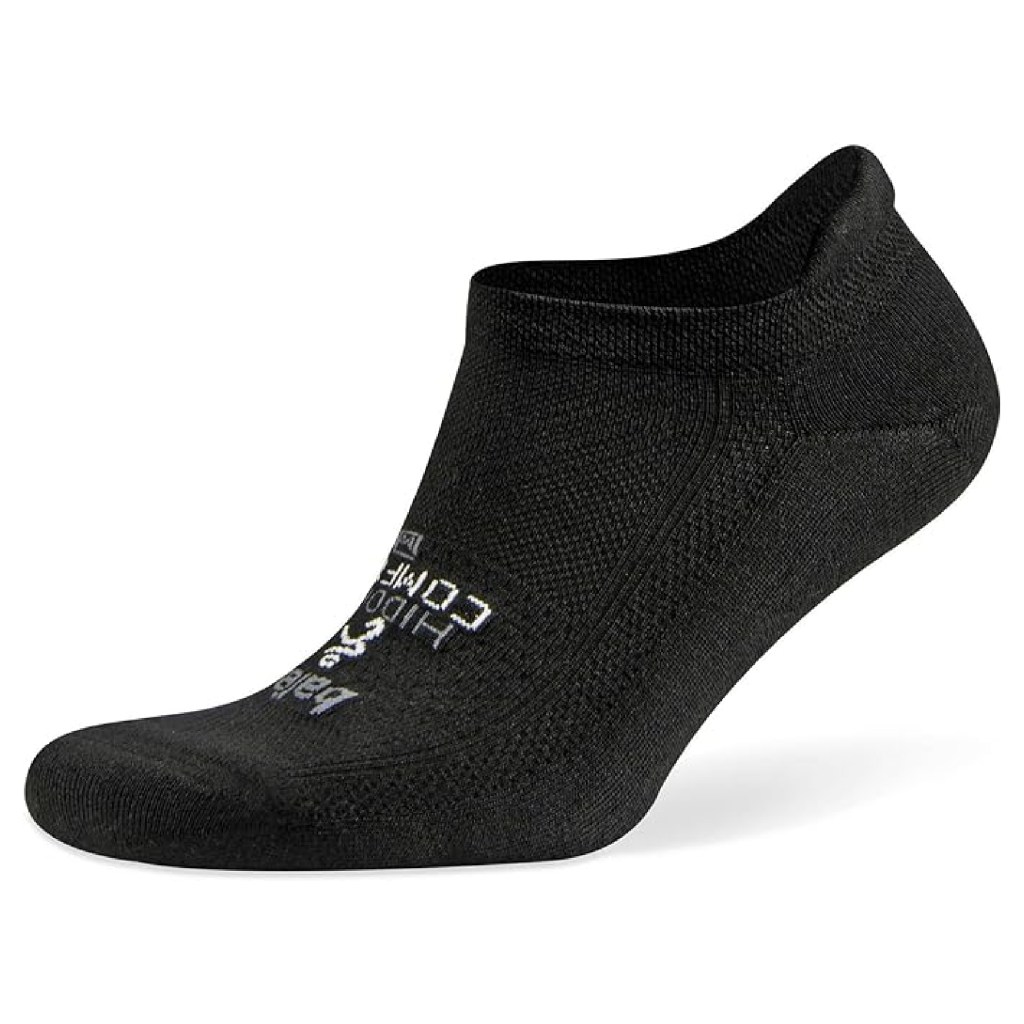
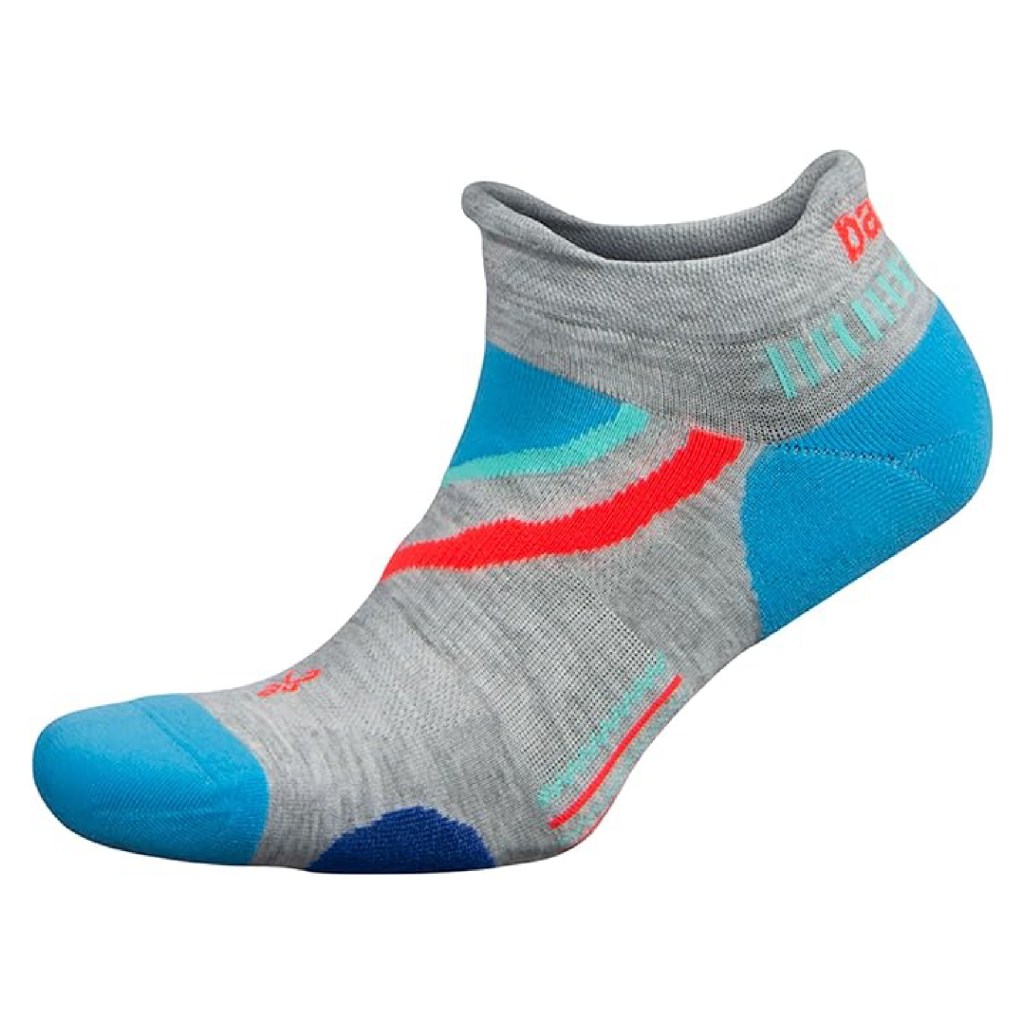
1. Balega
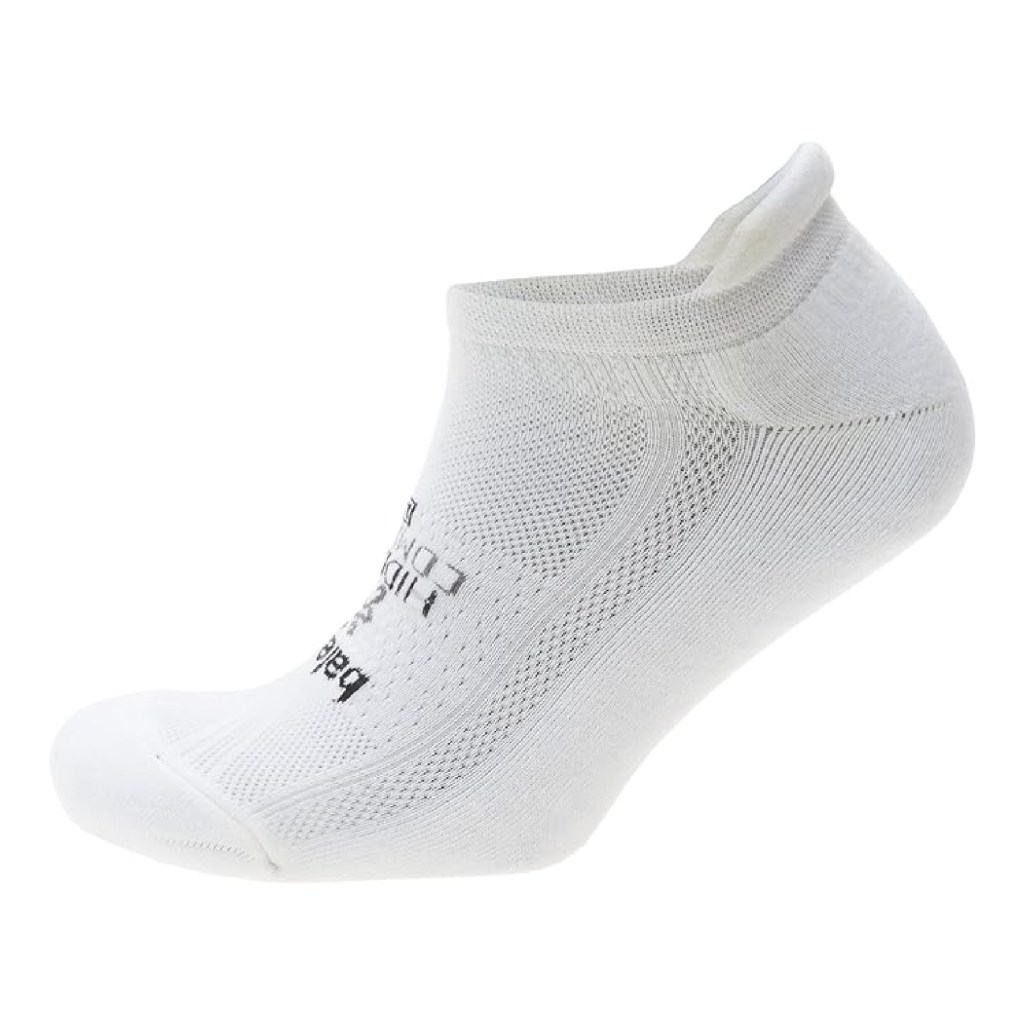
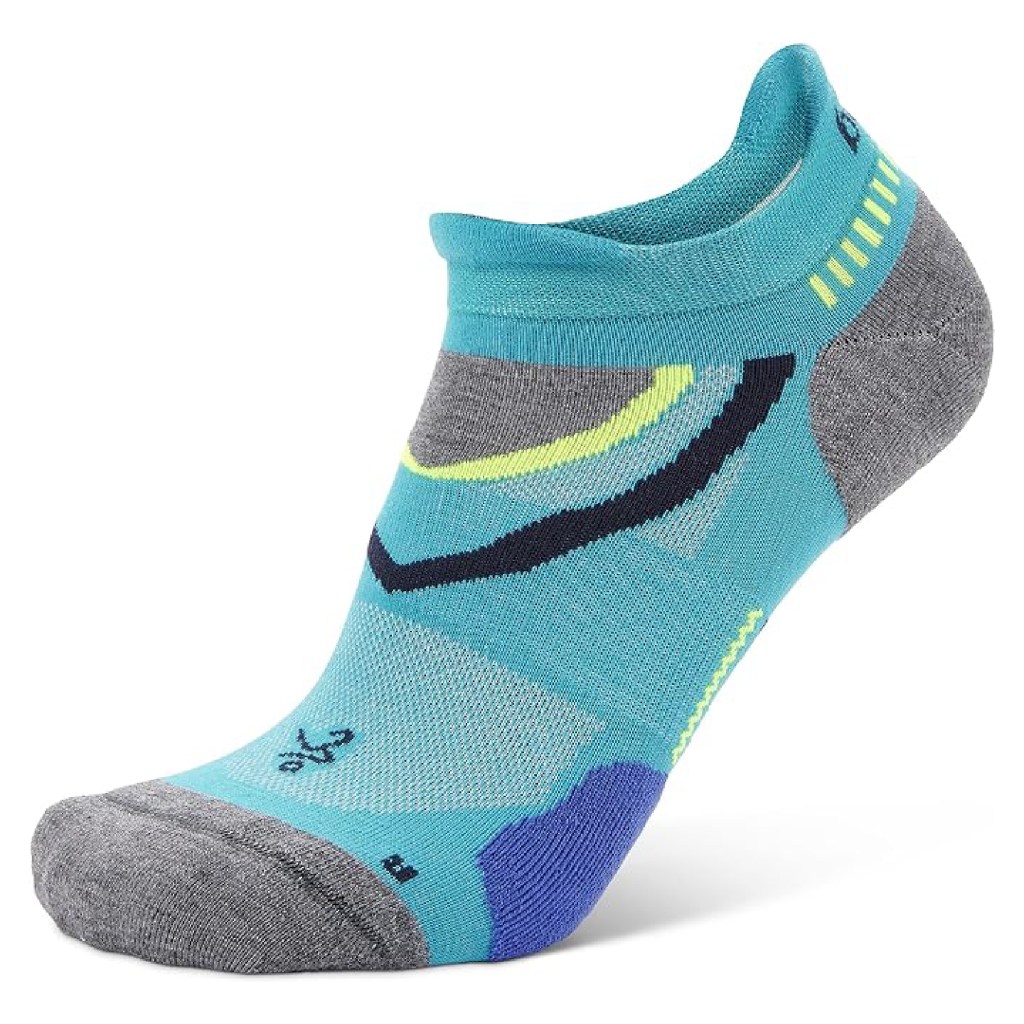
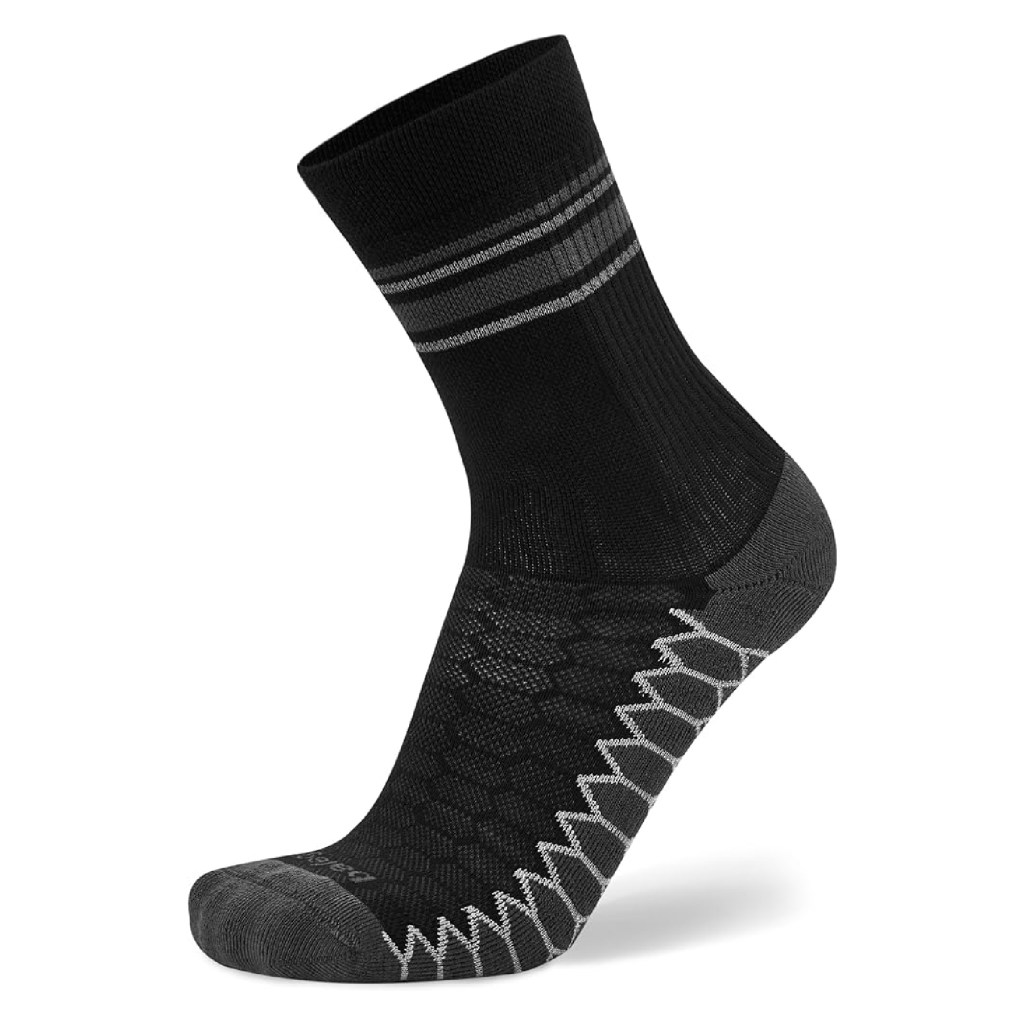
Known for their attention to detail and comfort, Balega socks are a favorite among runners for their seamless construction and moisture-wicking capabilities. Balega’s socks are designed with high-density cushioning that provides comfort without adding bulk, making them ideal for long-distance runs. The company uses proprietary fibers like Drynamix, which effectively wicks moisture away from the skin, keeping your feet dry and blister-free.
Balega also focuses on fit and support, with many of their socks offering a contoured design that matches the natural shape of your foot. This reduces the chances of the sock slipping or bunching during a run, which can be a major cause of blisters. Balega’s commitment to quality and innovation has earned them a loyal following among both casual and professional runners.
Women’s
Men’s

2. Smartwool
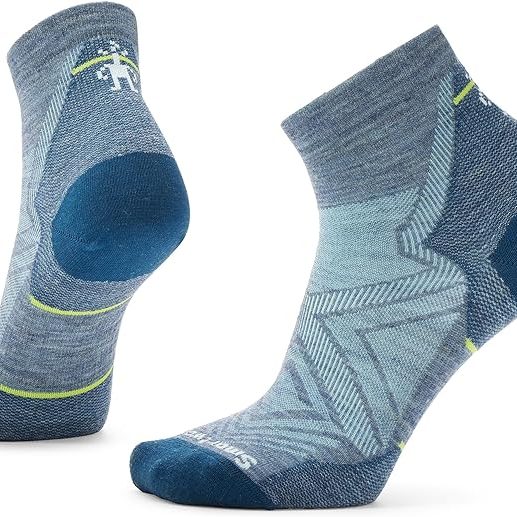
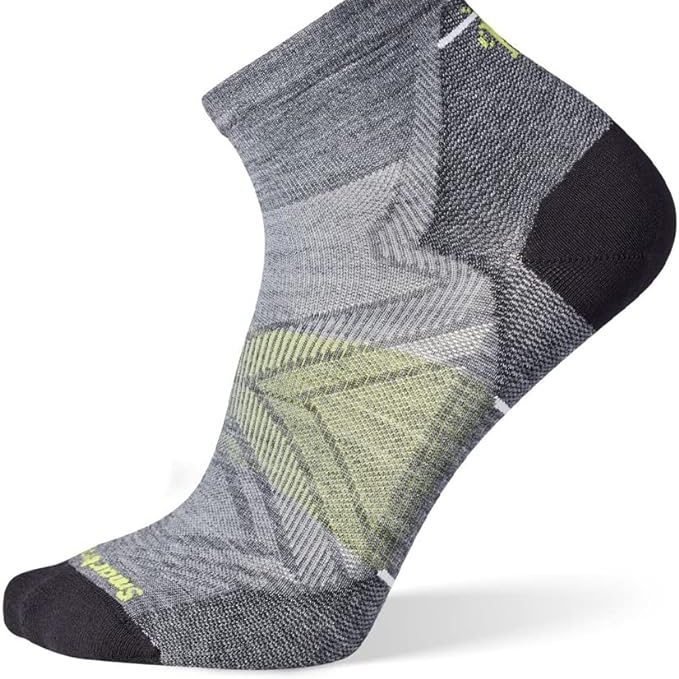
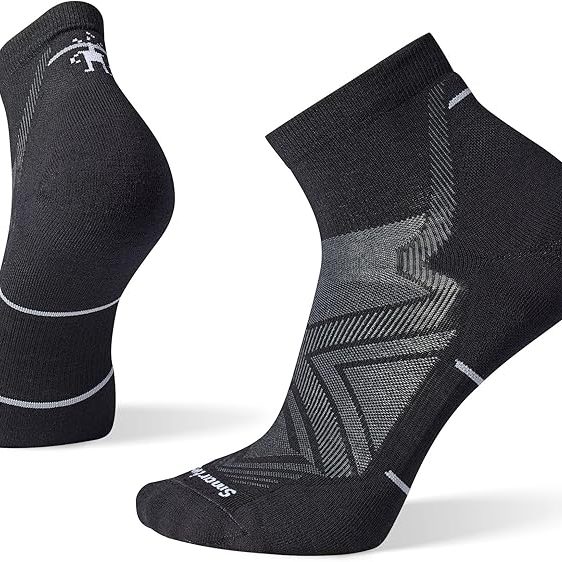
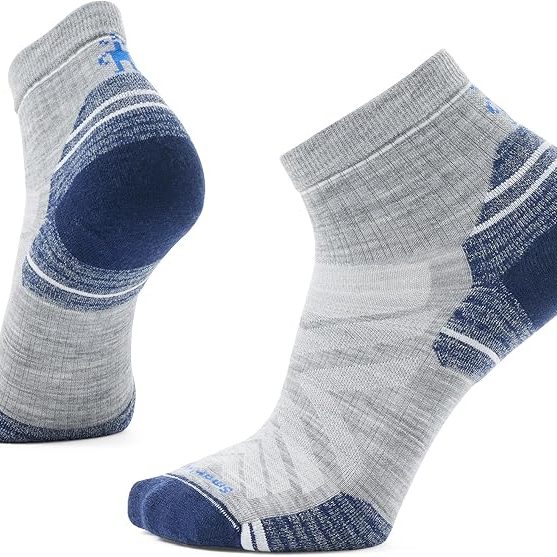
Smartwool specializes in merino wool products, offering socks that are soft, breathable, and perfect for both hot and cold weather running. Their socks are made from ethically sourced merino wool, which is not only comfortable but also sustainable. Smartwool’s PhD line, in particular, is designed for runners, featuring targeted cushioning and mesh ventilation zones that enhance breathability and comfort during long runs.
One of Smartwool’s standout features is their durability. Despite the softness of merino wool, Smartwool’s socks are built to last, thanks to their Indestructawool technology, which reinforces high-wear areas without adding bulk. This makes them a great investment for runners who need socks that can handle the demands of intense training and races.
Women’s


Men’s
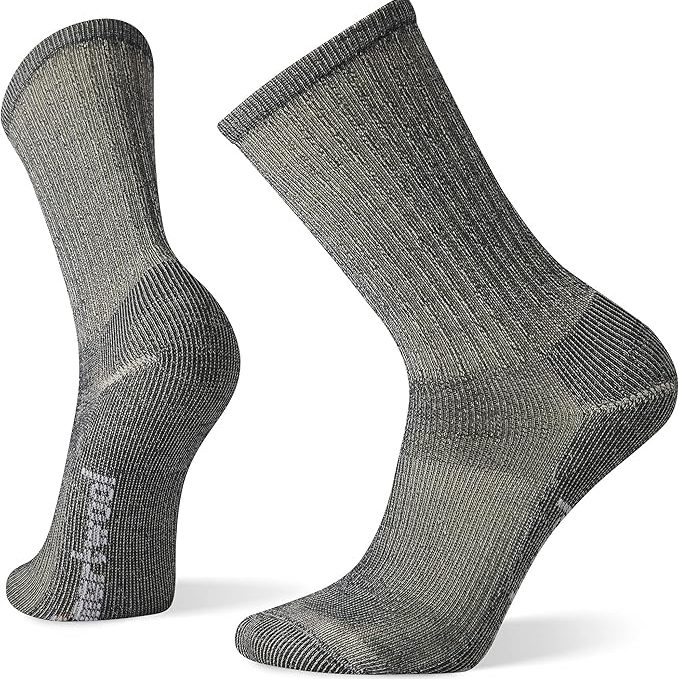
3. Swiftwick
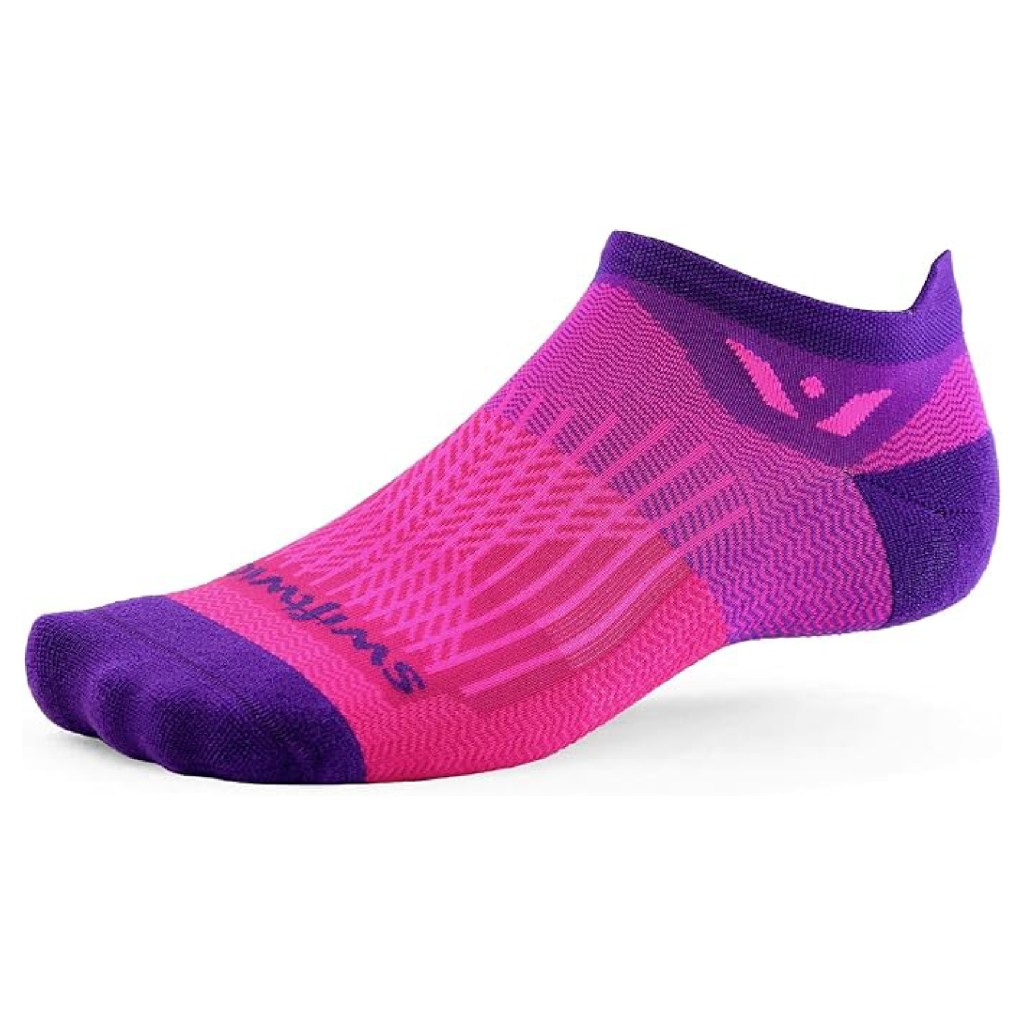
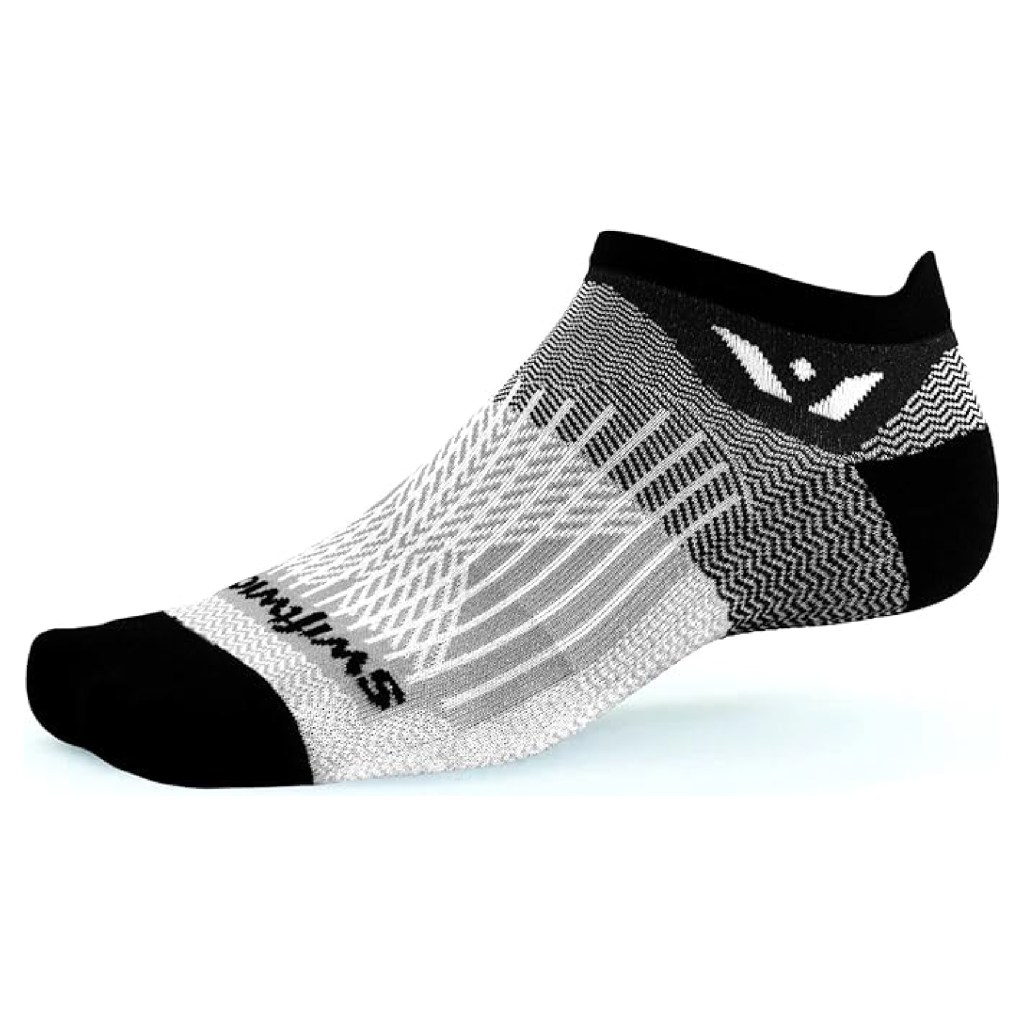
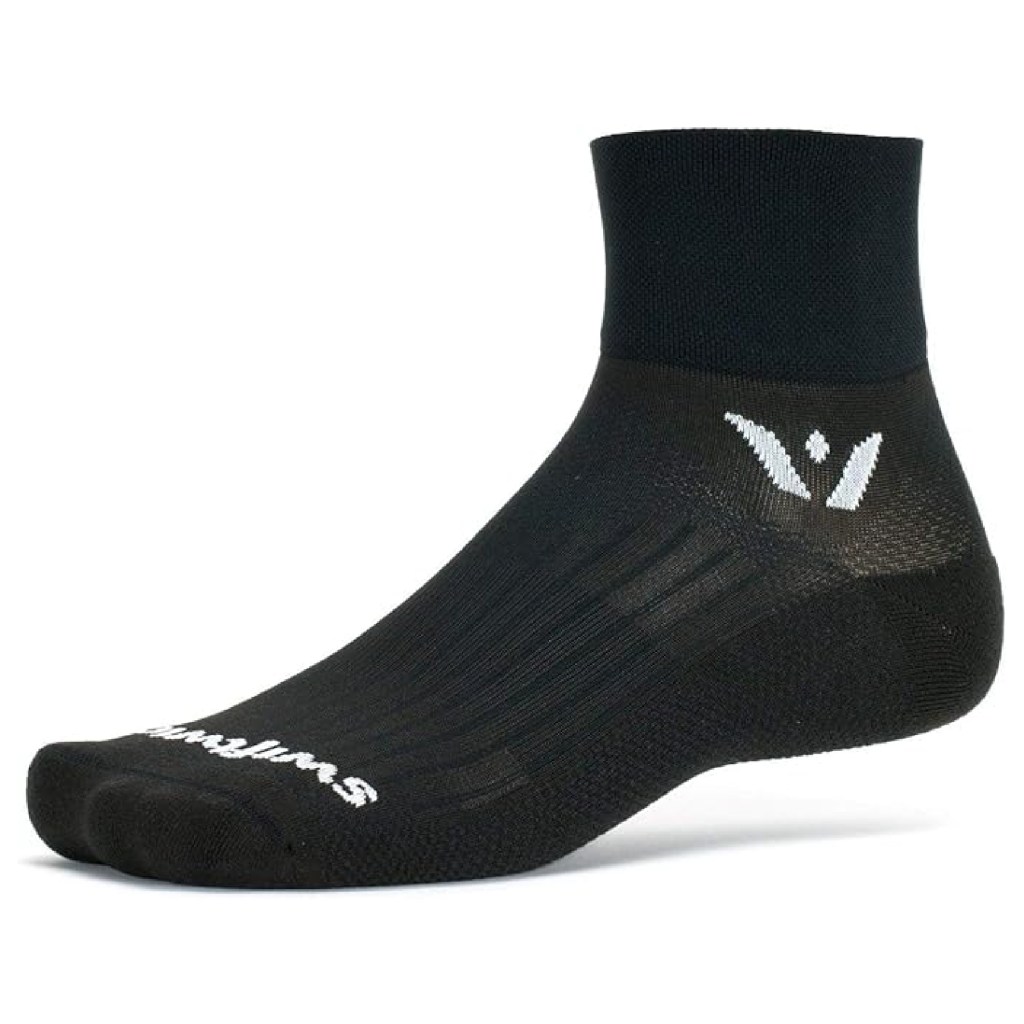
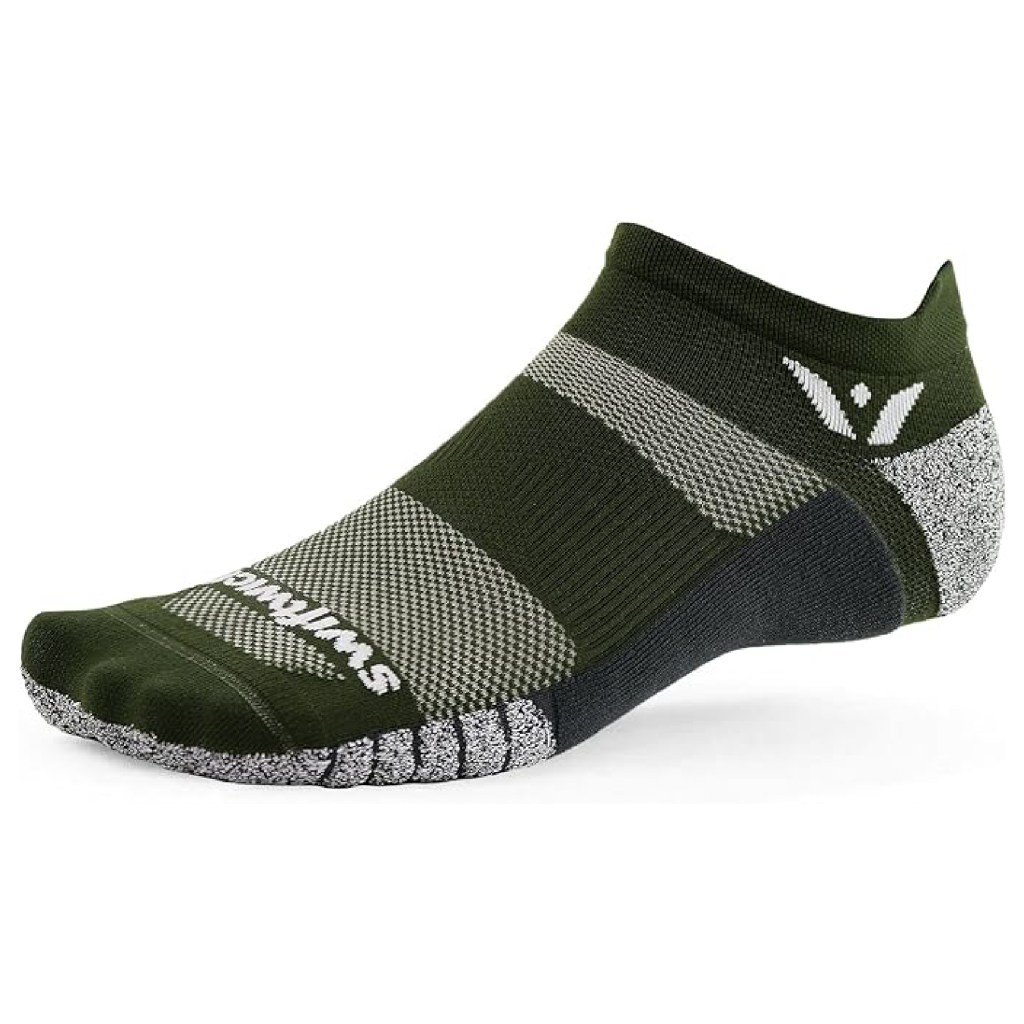
Swiftwick socks are made with synthetic fibers, offering superior moisture management and a compression fit that enhances circulation and support. Swiftwick’s socks are known for their durability and are often chosen by athletes who need a reliable sock that can stand up to the rigors of intense training. The brand uses a signature Olefin fiber that is hydrophobic, meaning it repels water and dries quickly, keeping your feet dry even in wet conditions.
Swiftwick also offers a range of compression levels, from light to firm, allowing you to choose the level of support that best suits your needs. Compression socks can help improve circulation, reduce swelling, and provide additional support to the arch and ankle, making them an excellent choice for long-distance runners or those recovering from injury.
Womens
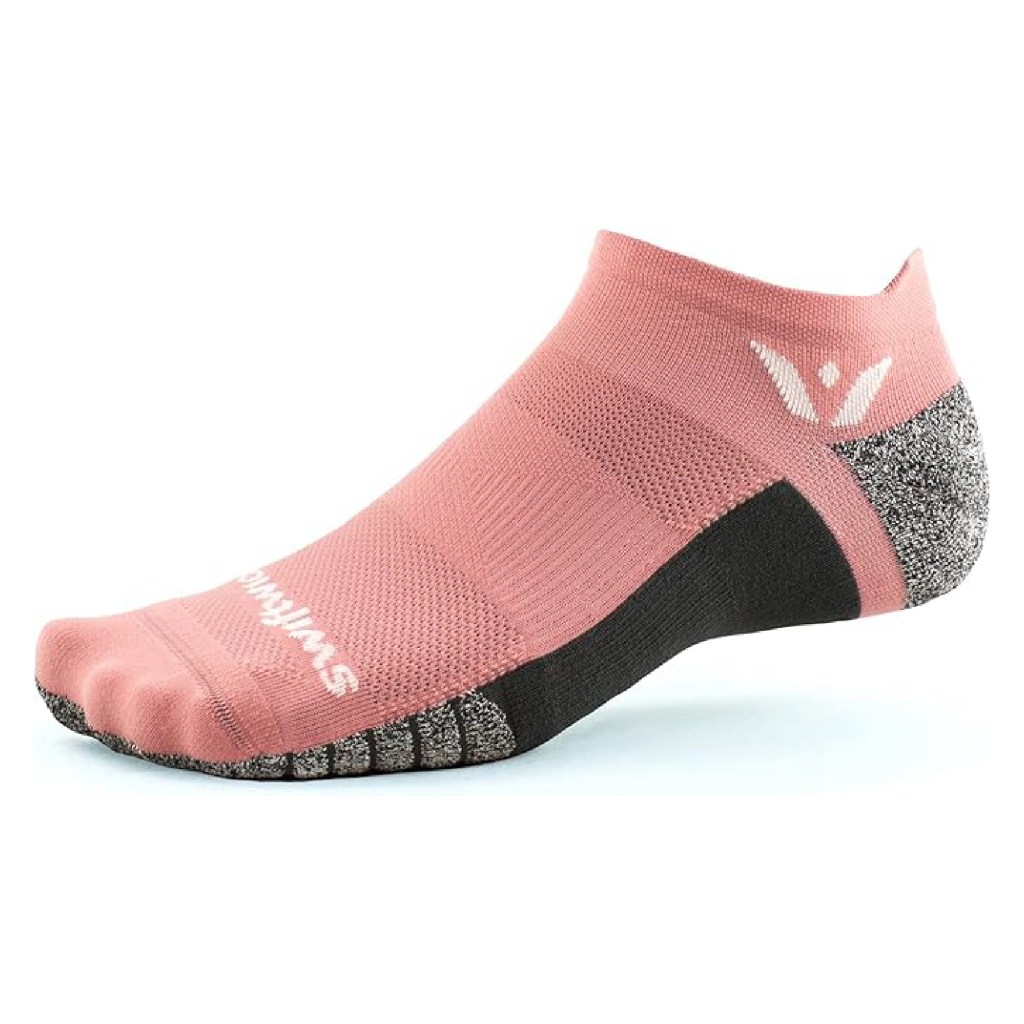

Mens
4. Feetures
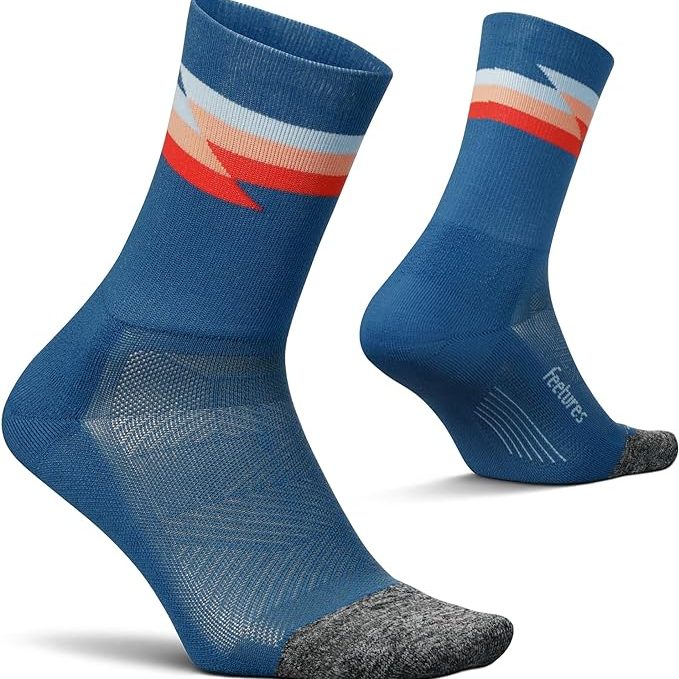
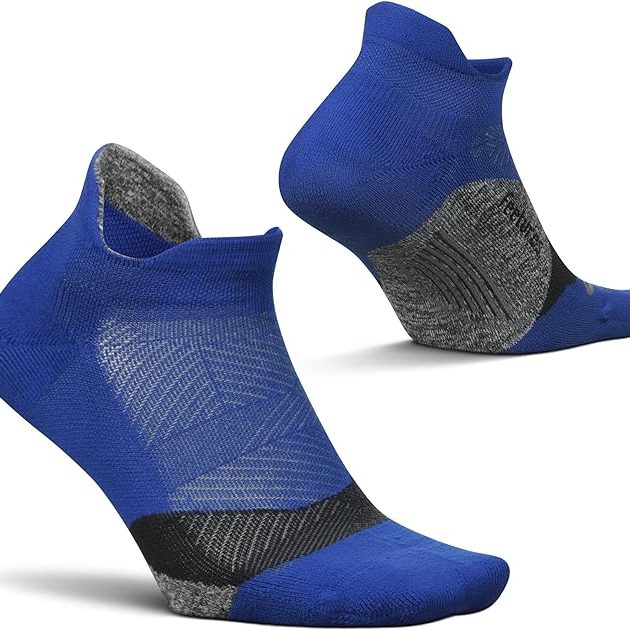
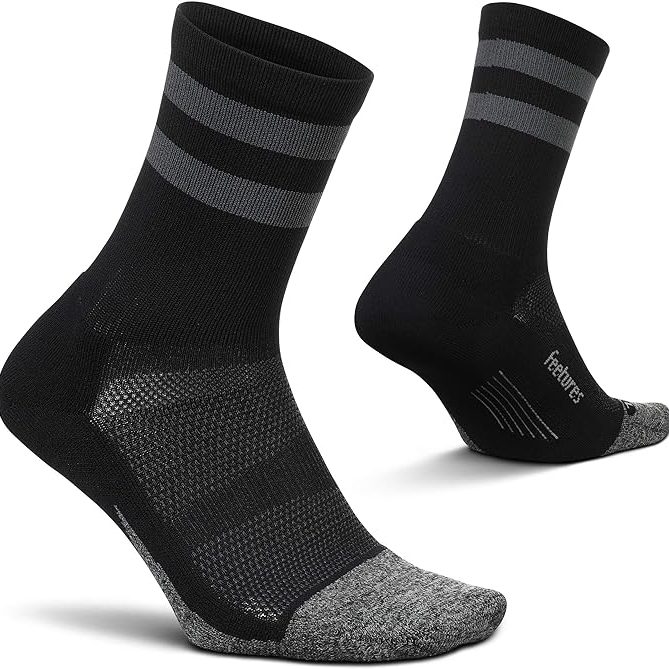
Feetures are designed with targeted compression zones to support the arch and reduce the risk of blisters. They offer a variety of thicknesses and styles to suit different preferences. Feetures’ socks are known for their snug fit, which provides a second-skin feel that minimizes friction and keeps the sock securely in place. This is achieved through their use of advanced knitting techniques and high-performance synthetic fibers that wick moisture and provide breathability.
In addition to their technical features, Feetures also focuses on comfort. Their socks are designed with anatomical left and right foot designs, ensuring a more precise fit that aligns with the natural contours of your feet. This attention to detail makes Feetures a popular choice for runners who value both performance and comfort in their gear.
Women’s


Men’s

The Benefits: Why Invest in Quality Running Socks?
Investing in high-quality running socks offers several benefits that can enhance your running experience:
1. Blister Prevention
Running socks are designed with seamless construction and moisture-wicking materials that reduce friction and keep your feet dry, minimizing the risk of blisters. Blisters are one of the most common issues faced by runners, and they can be both painful and debilitating. A blister forms when friction causes the layers of skin to separate, filling the space with fluid. This often occurs when your foot slides within your shoe or when moisture causes your skin to soften and become more prone to irritation.
High-quality running socks address these issues by creating a smooth surface against your skin and by managing moisture effectively. The materials used in these socks wick sweat away from your feet, keeping them dry and reducing the friction that leads to blisters. Additionally, many running socks are designed with a snug fit that minimizes movement within the shoe, further preventing the rubbing that causes blisters.
2. Temperature Regulation
Whether you’re running in the heat of summer or the chill of winter, the right socks can help regulate your foot temperature, keeping you comfortable in any condition. Temperature regulation is crucial for maintaining comfort during a run. When your feet are too hot, they can become sweaty, leading to blisters and discomfort. When they’re too cold, your muscles can stiffen, and your risk of injury increases.
Running socks made from materials like merino wool or advanced synthetic fibers are designed to manage temperature by providing insulation when it’s cold and promoting breathability when it’s hot. This adaptability means that you can focus on your run without being distracted by discomfort in your feet. Whether you’re running in extreme heat or cold, having the right socks can make all the difference in your performance and enjoyment.
3. Support and Compression
Many running socks offer targeted compression zones that support the arch, improve circulation, and reduce fatigue, helping you run longer and recover faster. Compression socks work by applying gentle pressure to your feet and lower legs, which helps to increase blood flow and reduce swelling. This can be particularly beneficial for long-distance runners, who may experience fatigue and swelling in their legs and feet after a long run.
Supportive running socks can also help to prevent common injuries like plantar fasciitis, by providing additional stability to the arch and heel. The extra support helps to distribute pressure more evenly across your foot, reducing strain on your muscles and joints. Whether you’re training for a marathon or just looking to improve your overall comfort during a run, supportive and compressive socks are a valuable addition to your running gear.
4. Durability
High-quality running socks are built to last, even through the toughest of runs. They retain their shape, elasticity, and comfort after multiple washes, making them a worthy investment. When you invest in good running socks, you’re not just paying for comfort and performance—you’re also paying for durability. Cheaper socks might seem like a good deal, but they often wear out quickly, losing their shape and cushioning after just a few uses.
Durable running socks are designed to withstand the rigors of regular use, maintaining their fit and comfort even after repeated washing. This means that you won’t have to replace them as often, making them a more cost-effective choice in the long run. Additionally, durable socks are less likely to develop holes or wear down in high-friction areas, which can further protect your feet from blisters and discomfort.
Choosing the Right Pair for You
When selecting running socks, consider your personal preferences and the conditions in which you’ll be running. Think about the climate, your typical running distance, and any specific concerns like blister prevention or support. The type of running you do—whether it’s trail running, road running, or treadmill training—can also influence your choice of socks. For example, trail runners might prefer thicker, more cushioned socks for added protection, while road runners might opt for lighter, more breathable options.
Another factor to consider is the fit of your socks. Running socks should fit snugly without being too tight, as a poor fit can lead to blisters or discomfort. Many brands offer socks in different sizes and thicknesses, so you can choose the option that feels best for you. It’s also worth trying out different materials and styles to see what works best for your feet.
Remember, your running socks are just as important as your shoes. They’re the unsung heroes of your running gear, working behind the scenes to keep you comfortable, protected, and performing at your best. So, the next time you lace up, make sure you’ve got the right pair on your feet.
 Running Endeavor
Leave a comment