
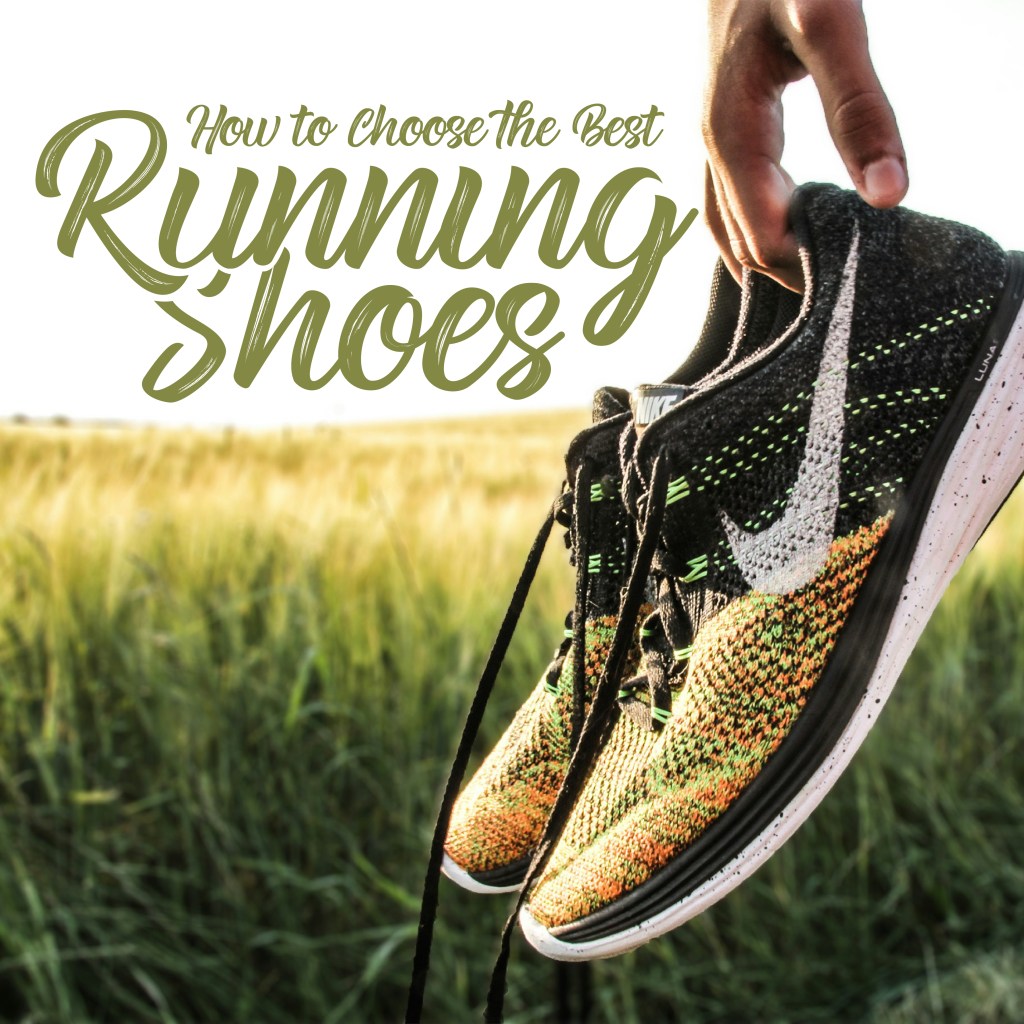
Choosing the right running shoes is like finding a writing routine that fits—you need something that aligns with your individual needs, enhances your performance, and keeps you injury-free. Just as every story requires a unique voice, every runner has a unique foot type that demands the right pair of shoes. But with the vast array of options available, how do you know which shoes will truly support you on your journey?
Understanding your foot type is the foundation of selecting the perfect running shoe. Runners often make the mistake of choosing shoes based on brand, appearance, or what worked for a friend, rather than focusing on their individual needs. However, just as every novel requires careful plotting, every runner’s feet demand a shoe that caters to their specific biomechanics. The right shoes can prevent injuries, improve performance, and make each run more enjoyable. Let’s explore how to identify your foot type and choose running shoes that will keep you on the road to success.
Understanding Your Foot Type
The journey to finding the best running shoes starts with understanding your foot type. This is more than just knowing whether you have a flat, neutral, or high arch. It’s about recognizing how your foot moves during a run and how this motion affects your entire body. A neutral arch, for example, might seem straightforward, but even within this category, runners can have slight variations that affect their choice of shoe.

If you have a neutral arch, your foot strikes the ground evenly, meaning the impact is distributed across your foot. This balanced distribution makes you lucky in the sense that you can often choose from a wider range of shoes. However, it’s still essential to find a pair that matches your specific running style. A shoe with too much support might interfere with your natural stride, while one with too little could lead to discomfort or injury over time.
For those with a flat arch or high arch, the stakes are even higher. Flat arches can cause overpronation, where your foot rolls inward excessively as you run. This can lead to a host of issues, from shin splints to knee pain. On the other hand, a high arch often leads to underpronation or supination, where the foot doesn’t roll inward enough, placing excessive pressure on the outer edge of the foot. This can result in stress fractures or Achilles tendonitis. Understanding these dynamics is crucial in selecting a shoe that not only fits but also enhances your running experience.
How to Identify Your Foot Type
Identifying your foot type might seem like a daunting task, but it’s actually quite simple. The wet foot test, for example, is an easy and effective way to get a clear picture of your arch type. By wetting the bottom of your foot and stepping onto a piece of paper, you can analyze the imprint left behind. This imprint reveals how much of your foot makes contact with the ground, giving you valuable insight into your arch type.
If you see a clear, defined outline of your foot with a slight curve on the inside, you likely have a neutral arch. This means your foot is well-aligned, and you’re less likely to experience issues related to overpronation or underpronation. However, if almost the entire foot is visible with little to no curve, you have a flat arch. This indicates overpronation, where your foot rolls inward more than it should, requiring shoes with extra support.
On the other hand, if the imprint shows only your heel and the ball of your foot connected by a thin line, you have a high arch. This suggests that your foot doesn’t absorb shock as effectively as it should, leading to underpronation. In this case, you’ll need shoes with ample cushioning to protect your feet from the impact of running. For a more detailed analysis, you might consider visiting a specialty running store. Many of these stores offer gait analysis, where experts can observe your stride and recommend the best shoes for your unique foot type.
Choosing the Right Running Shoes
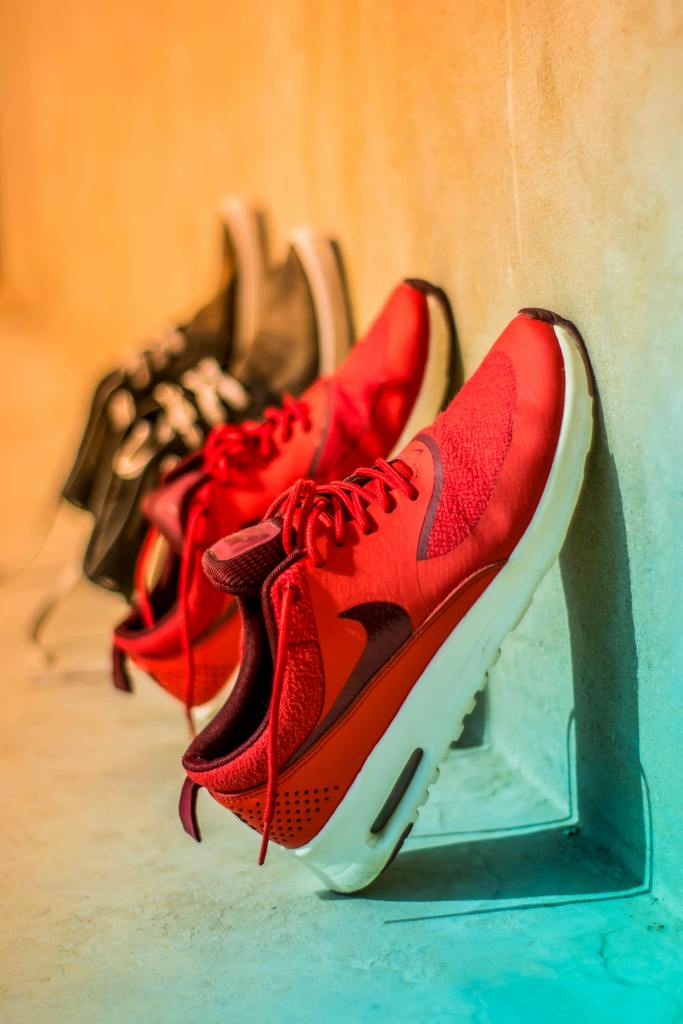
Once you’ve identified your foot type, the next step is choosing the right running shoes. For runners with a neutral arch, neutral running shoes are usually the best option. These shoes are designed to provide a balance of cushioning and support, allowing your foot to move naturally while still offering enough protection. They’re versatile and can accommodate a wide range of running styles, making them a popular choice for many athletes.
However, if you have a flat arch and tend to overpronate, stability shoes or motion control shoes are your best bet. Stability shoes are designed to provide extra support in the midsole, helping to correct the inward roll of your foot. This support can prevent common overpronation-related injuries such as shin splints, knee pain, and plantar fasciitis. Motion control shoes go a step further, offering maximum support and control for severe overpronators. These shoes are often bulkier, but they’re essential for runners who need extra help in maintaining proper alignment.
For those with a high arch, cushioned shoes are the way to go. These shoes offer plenty of padding to absorb the impact of each step, reducing the strain on your feet and lower legs. Look for shoes that are flexible and allow your foot to move naturally, as this will help prevent injuries related to underpronation. The right cushioned shoe can make a world of difference, transforming your running experience from painful to enjoyable.
The Importance of Fit
No matter how well a shoe matches your foot type, if it doesn’t fit properly, it won’t do its job. A poorly fitting shoe can cause blisters, discomfort, and even long-term injuries. That’s why it’s crucial to take the time to find a shoe that fits like a glove—or rather, like a sock. When trying on running shoes, consider factors like the time of day, the socks you’ll be wearing, and how the shoes feel as you move.
Your feet swell throughout the day, especially during a run, so it’s best to try on shoes later in the day when your feet are at their largest. This will give you a more accurate sense of how the shoes will feel during your run. Be sure to wear the same type of socks you’ll use for running, as this will affect the fit of the shoe. A shoe that feels great with thin socks might be too tight with thicker running socks.
Once you have the shoes on, make sure there’s a thumb’s width of space between your longest toe and the front of the shoe. This extra space allows for natural foot expansion and prevents your toes from hitting the front of the shoe, which can cause bruising and discomfort. Finally, take a few laps around the store to see how the shoes feel in motion. They should feel comfortable right out of the box, with no pressure points or areas of discomfort. Remember, the right fit is crucial to ensuring your running shoes support you mile after mile.
Beyond the Shoe: Listening to Your Body
While choosing the right shoes is essential, it’s equally important to listen to your body. Even the best shoes won’t protect you if you’re ignoring signs of strain or overuse. Pay attention to any discomfort or pain that arises during or after your runs. Blisters, for instance, might indicate that your shoes don’t fit properly, while pain in your knees or shins could be a sign that your shoes aren’t providing enough support or cushioning.

In addition to physical discomfort, keep an eye on the wear patterns of your shoes. If you notice that the soles are wearing down unevenly, it might be time for a new pair or a different type of shoe. Uneven wear can also indicate that your running form needs adjustment, so consider consulting with a professional to address any underlying issues. Regularly replacing your shoes is key to preventing injuries, as worn-out shoes lose their ability to cushion and support your feet effectively.
Running is a journey, much like writing, where the right tools and techniques can make all the difference. By choosing shoes that cater to your foot type, ensuring a proper fit, and listening to your body’s signals, you can enjoy a healthier, more fulfilling running experience. So take the time to invest in the right pair of shoes, and you’ll find that every run becomes a step closer to achieving your goals.
Happy running!
 Running Endeavor
Leave a comment