
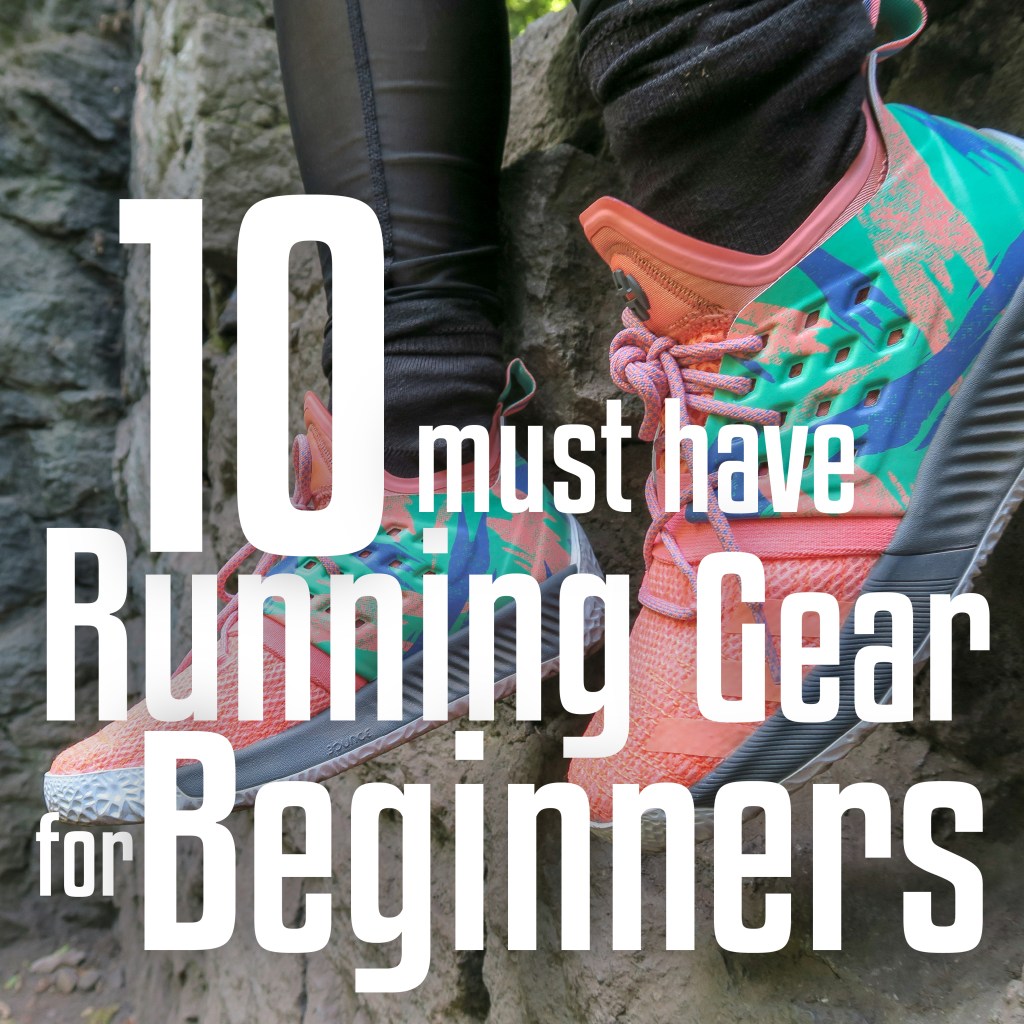
If you’re just beginning your running journey, congratulations! Running is a transformative experience, offering not only physical benefits but also mental clarity and a profound connection to your own strength. As you step into this new chapter, the right gear can make all the difference in your comfort, safety, and performance. Here’s a guide to the top 10 must-have running essentials for beginners, designed to help you hit the ground running—literally.
1. Proper Running Shoes: Your Foundation
Your feet carry you every step of the way, so investing in a good pair of running shoes is non-negotiable. The right running shoes can be the difference between an enjoyable run and one plagued with discomfort or injury. When choosing your first pair, avoid the temptation to pick based on looks or brand alone. Instead, focus on the functionality and fit. A visit to a specialty running store can be invaluable, as many offer gait analysis to determine the type of shoe best suited to your stride. This analysis looks at how your foot lands and pushes off, helping you choose shoes that offer the right balance of cushioning, support, and stability. However, If you don’t have a local running store that you can visit, I would suggest taking a “running shoe questionnaire” to get started. This won’t be nearly as beneficial as trying on different pairs and chatting with a shoe expert, but it can certainly help you narrow down your choices.
Remember, running shoes aren’t a one-time purchase; they need to be replaced regularly to ensure they continue to protect your feet. As a rule of thumb, running shoes should be replaced every 300 to 500 miles, depending on your running style, body weight, and the surfaces you run on. It’s also wise to rotate between two pairs if you run frequently, giving each pair a chance to recover and extend their lifespan. Proper shoes can prevent common injuries like shin splints, plantar fasciitis, and stress fractures, making this investment crucial for your long-term running health.
2. Moisture-Wicking Apparel: Stay Dry, Stay Comfortable
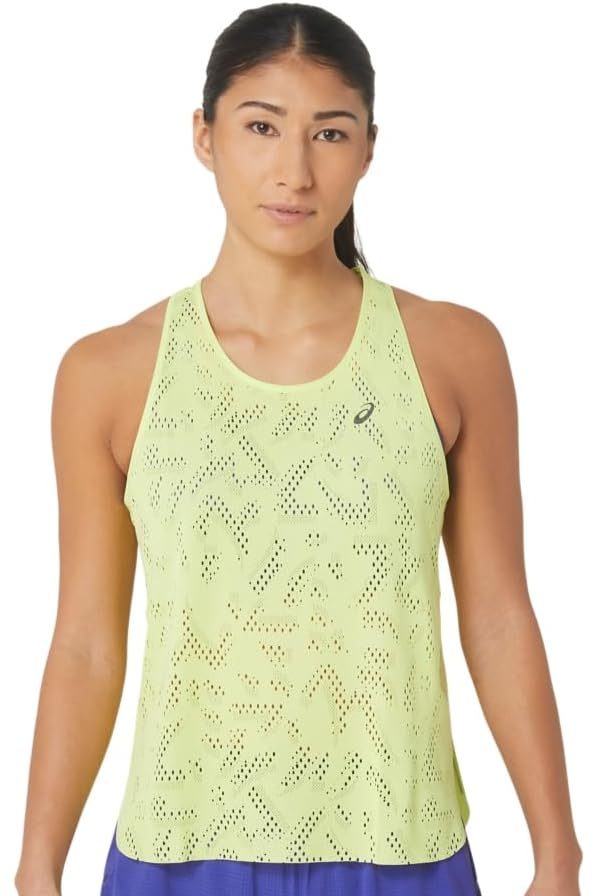
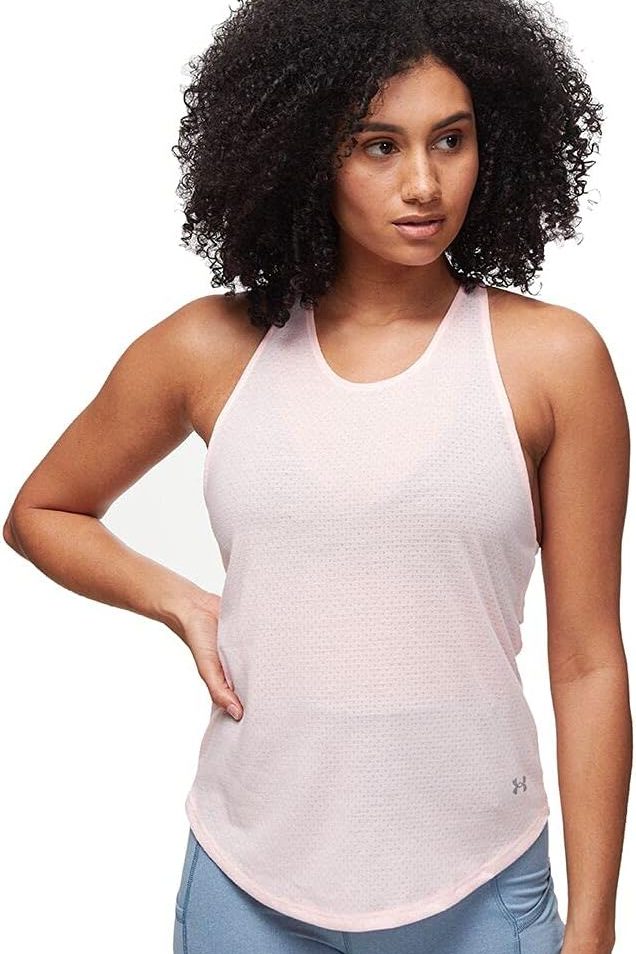
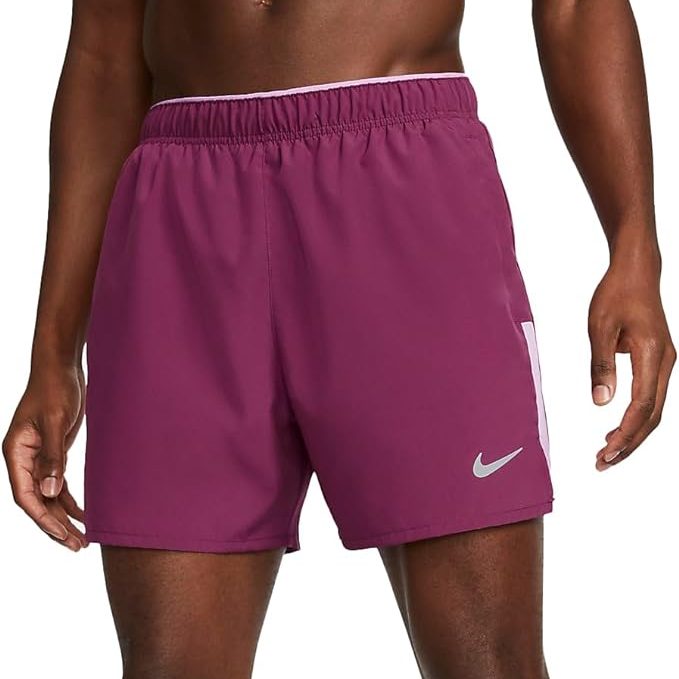
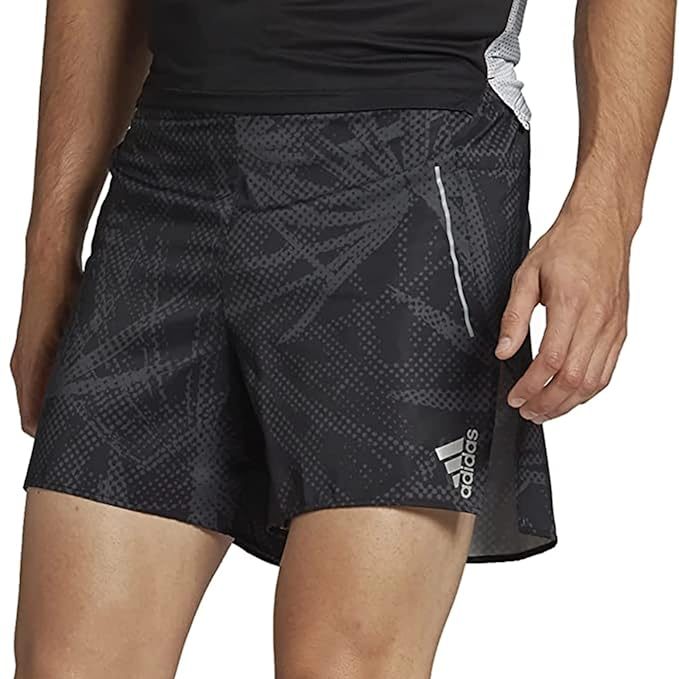
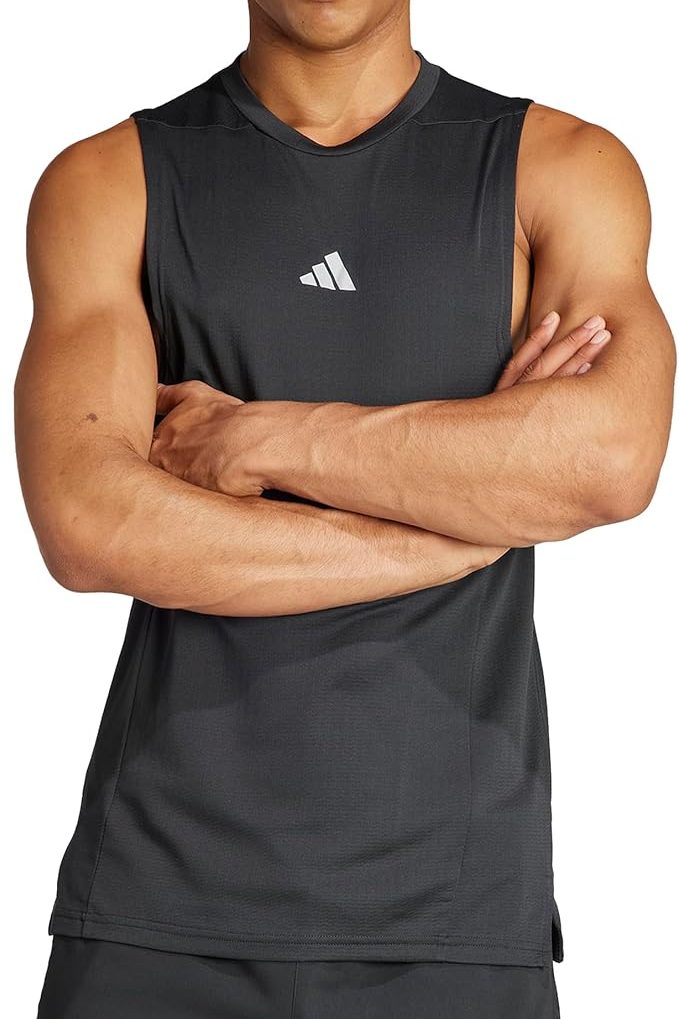
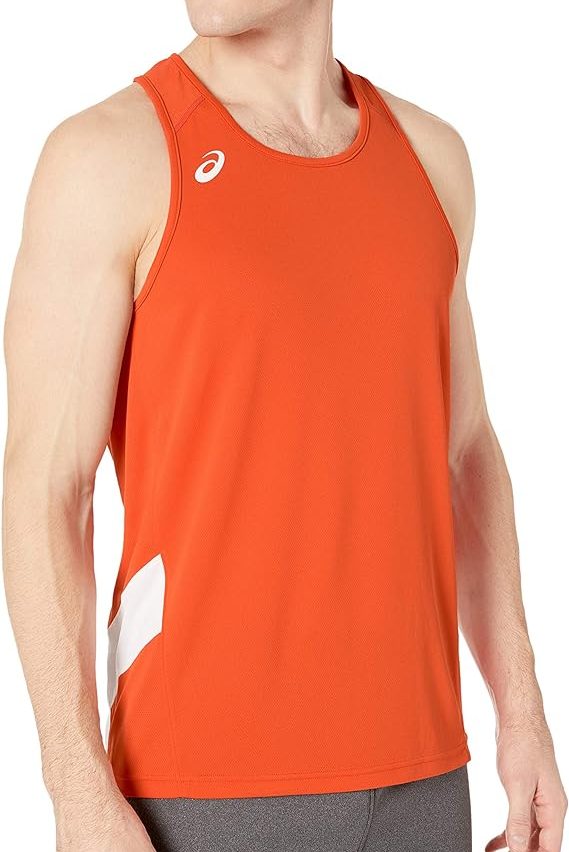
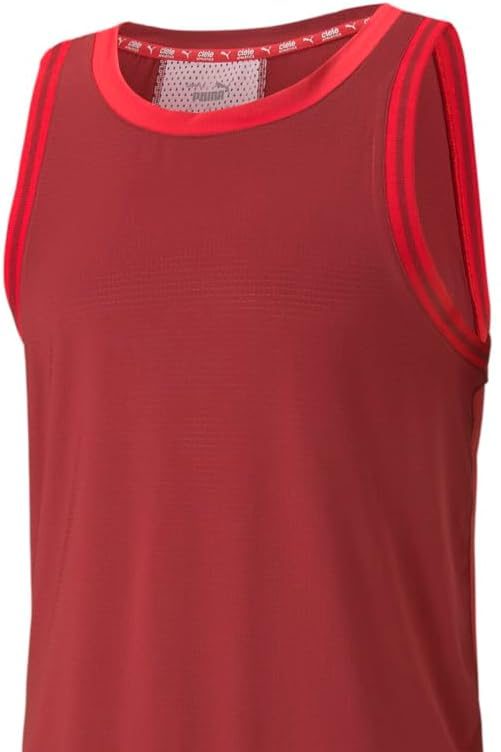
Sweat is an inevitable part of running, but it doesn’t have to mean discomfort. Moisture-wicking fabrics are designed to pull sweat away from your skin, allowing it to evaporate quickly. This keeps you dry, reducing the risk of chafing and helping to regulate your body temperature. For beginners, cotton may seem like a comfortable and affordable option, but once it gets wet, it stays wet. This can lead to irritation and make your run feel heavier and less enjoyable.
When choosing moisture-wicking apparel, look for materials like polyester, nylon, or blends specifically designed for athletic performance. These fabrics are lightweight, breathable, and quick-drying, which means they keep you comfortable even on longer runs or in humid conditions. Consider investing in a few key pieces like a moisture-wicking shirt, shorts or tights, and socks. These items don’t just enhance comfort—they also play a role in preventing blisters and skin irritation, allowing you to focus on your run rather than your discomfort.
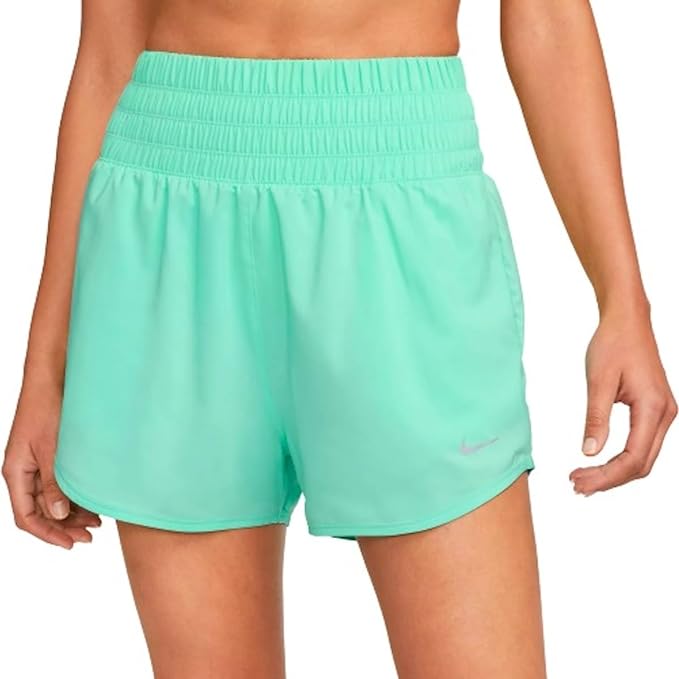
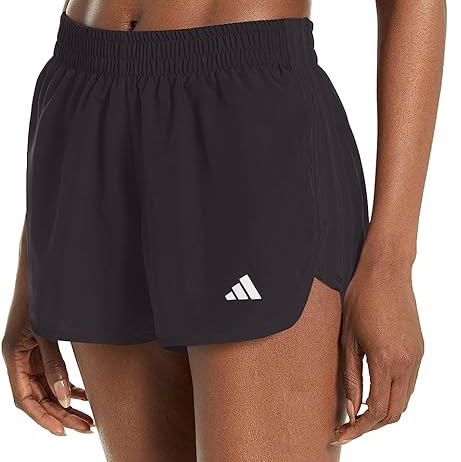
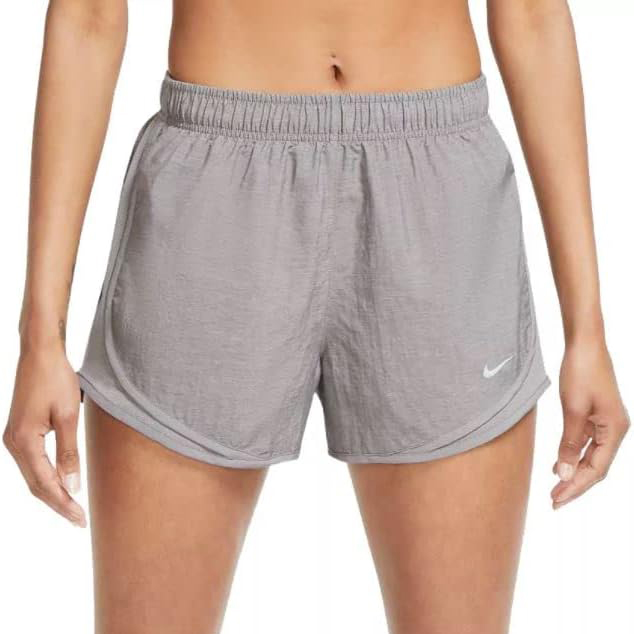
Here are some of my recommendations:
Women’s

Men’s

3. Sports Watch or Fitness Tracker: Track Your Progress
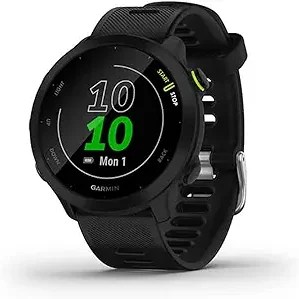
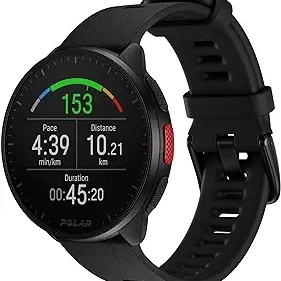
One of the most motivating aspects of running is seeing your progress over time, and a sports watch or fitness tracker is an essential tool for this. These devices can do far more than just tell you the time—they can track your distance, pace, heart rate, and even offer GPS mapping of your routes. For beginners, having this data at your fingertips is incredibly motivating. It helps you set realistic goals, monitor your improvement, and understand your running patterns, which can inform your training decisions.
While advanced models offer features like VO2 max estimations, stress tracking, and guided workouts, you don’t need to start with the most expensive option. Even a basic fitness tracker can provide valuable insights into your daily steps, calories burned, and overall activity level. Over time, as you become more experienced, you might find it worthwhile to upgrade to a model with more features, such as those that offer in-depth analytics or sync with training apps. Ultimately, the key is to choose a device that fits your current needs and helps you stay motivated and informed on your running journey.

4. Running Belt: Carry Your Essentials
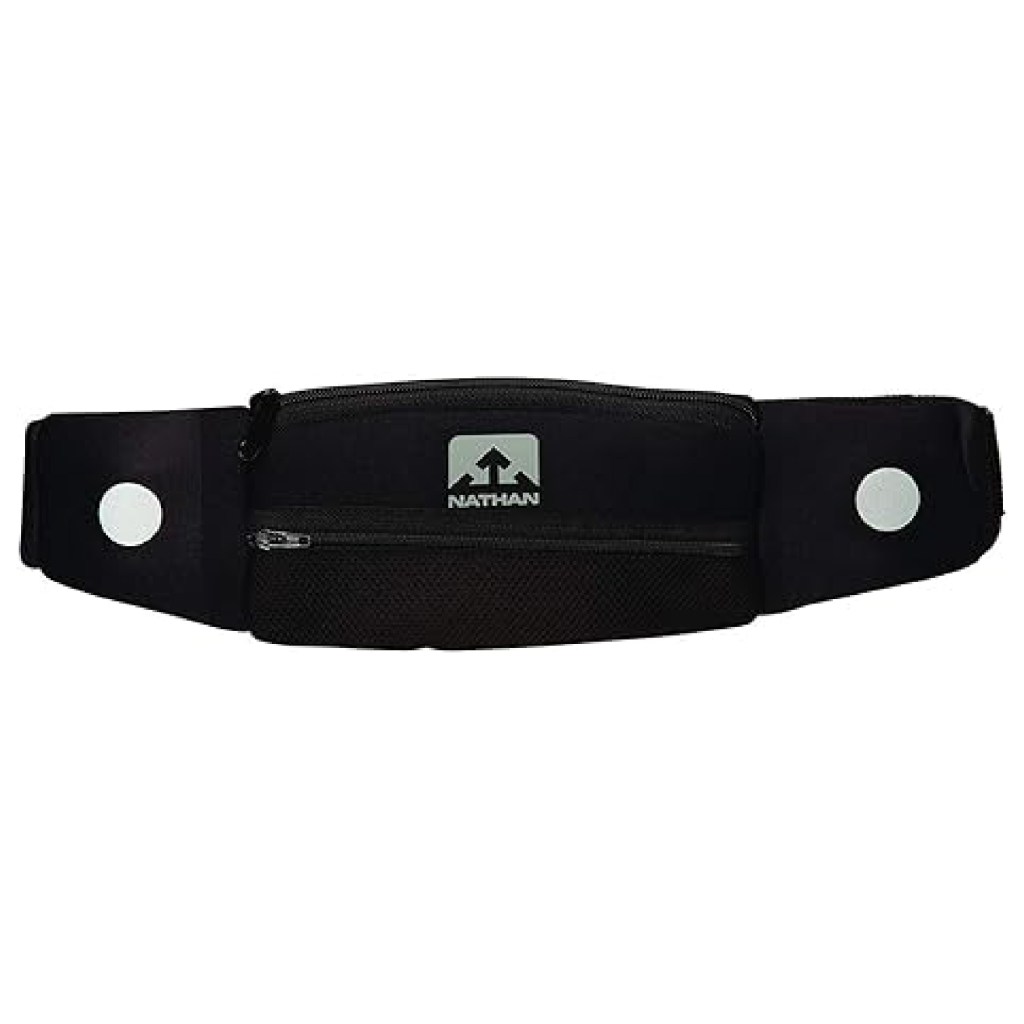
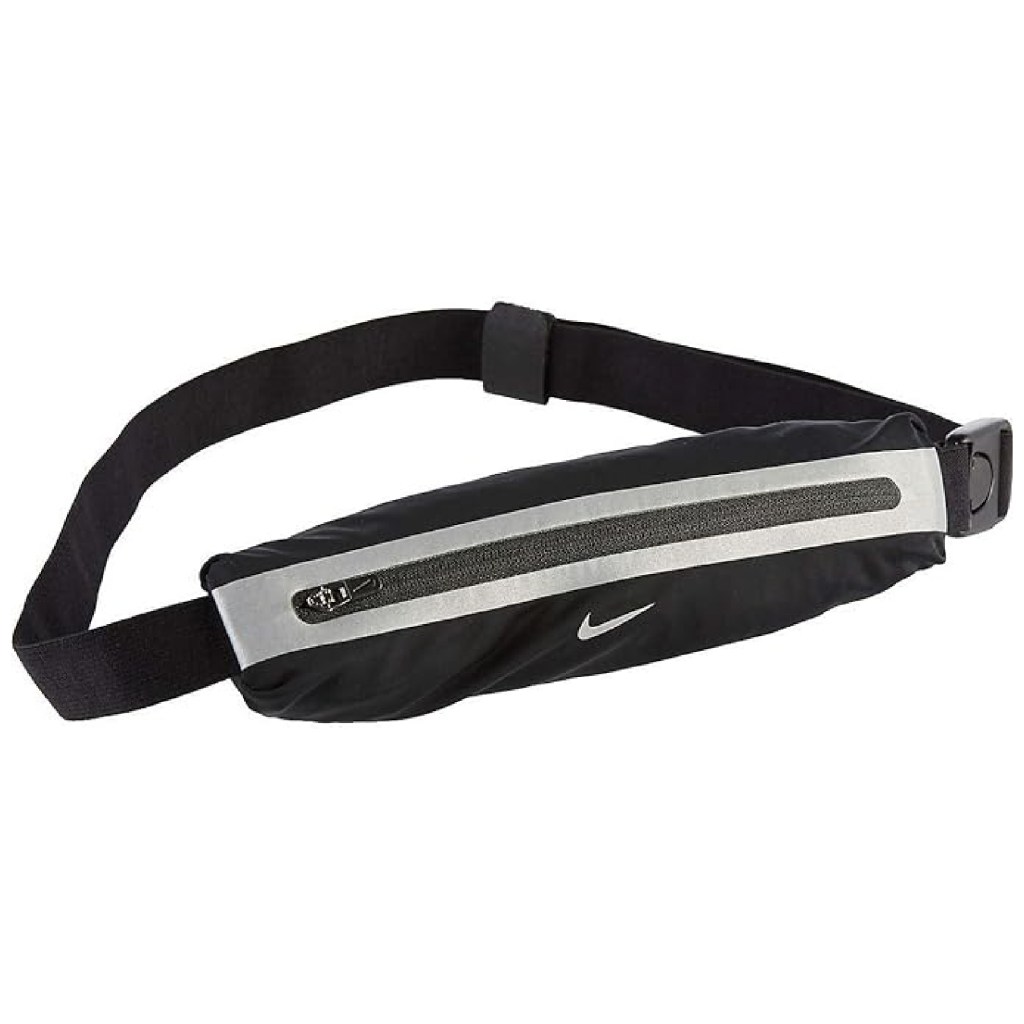
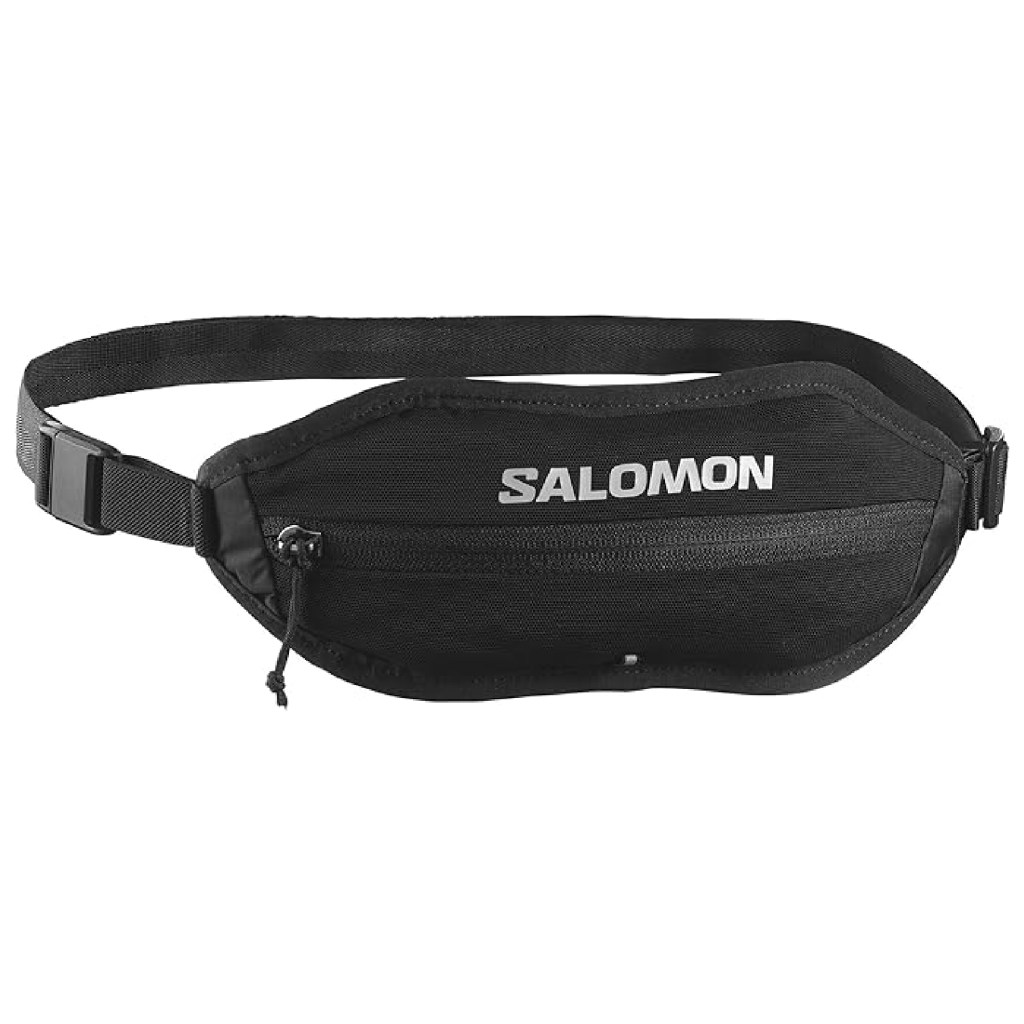
When you’re out on a run, carrying your essentials like keys, phone, and maybe a snack or some cash is necessary, but stuffing your pockets can be uncomfortable and impractical. This is where a running belt becomes a game-changer. These belts are designed to sit snugly around your waist, distributing the weight of your items evenly so they don’t bounce around as you run. A well-designed running belt is lightweight, adjustable, and has enough compartments to keep your items secure and accessible.
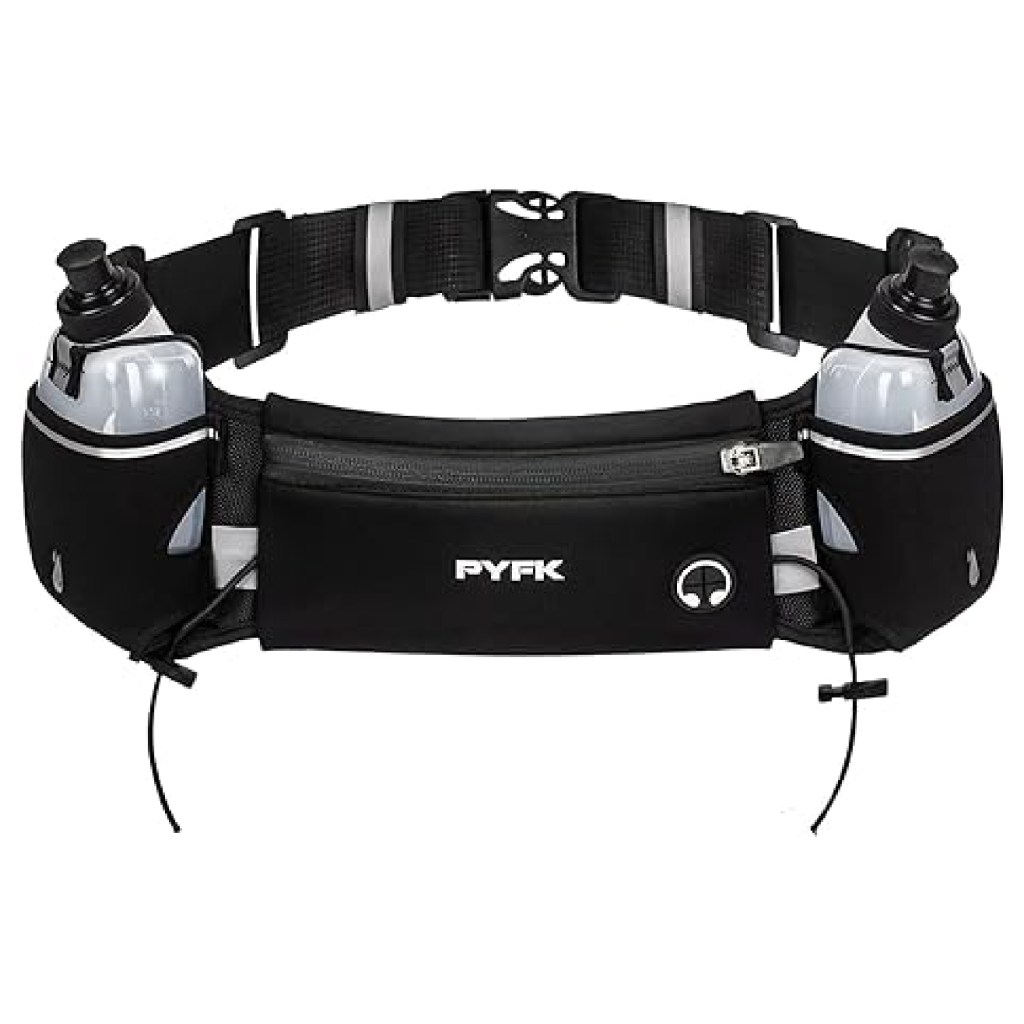
For beginners, a basic belt with a few zippered pockets is usually sufficient. However, as you start increasing your mileage, you may want to consider a hydration belt, which has additional pockets or pouches for water bottles. This can be particularly useful for longer runs where staying hydrated becomes critical. Many belts are also designed to hold your phone in a way that allows easy access to your running apps or music without needing to stop. Having your essentials at your fingertips, yet out of your way, ensures that you can focus on your run without distractions.
5. Headphones: Keep the Beat Going
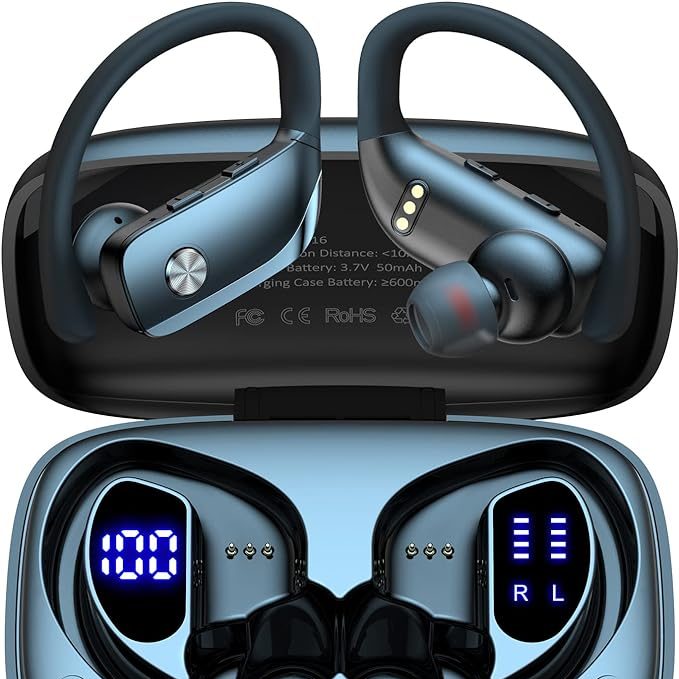
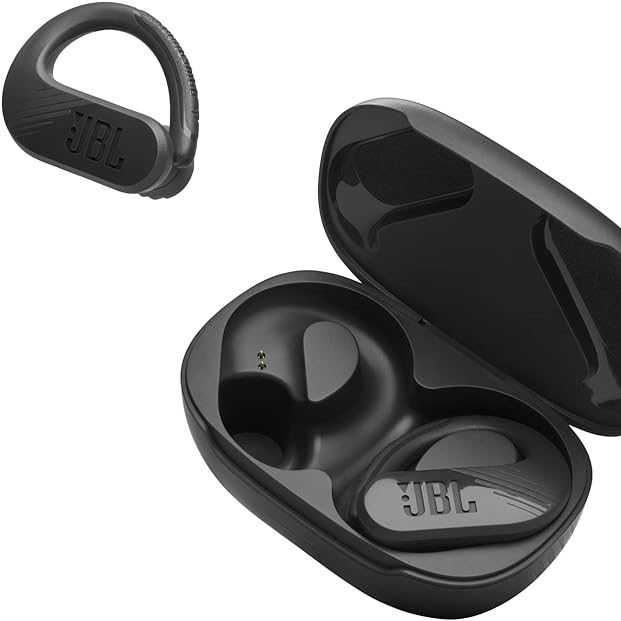
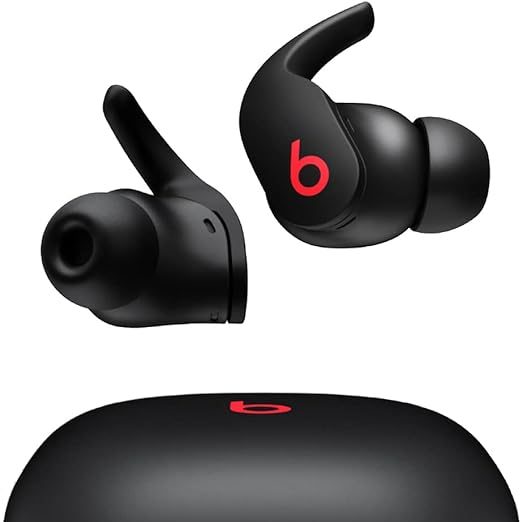
Music, podcasts, or even guided running sessions can significantly enhance your running experience, providing motivation and distraction when the miles get tough. But to enjoy this, you need a reliable pair of headphones that won’t let you down mid-run. Wireless headphones are the go-to choice for most runners, as they eliminate the hassle of cords that can tangle or get in the way. Look for headphones that are specifically designed for sports—they should be sweat-resistant, have a secure fit, and provide good sound quality without blocking out ambient noise completely.
Bone-conduction headphones are an excellent choice for those who run in busy or urban areas. They allow you to listen to your audio while still being aware of your surroundings, which is crucial for safety. Some runners also prefer headphones with built-in controls for adjusting volume or skipping tracks, so they don’t have to fumble with their phones while on the move. Whether you’re listening to your favorite playlist, catching up on podcasts, or following a guided run, the right headphones can turn a good run into a great one.
6. Reflective Gear: Safety First
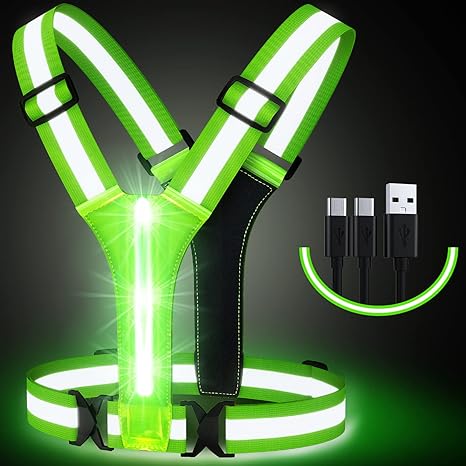
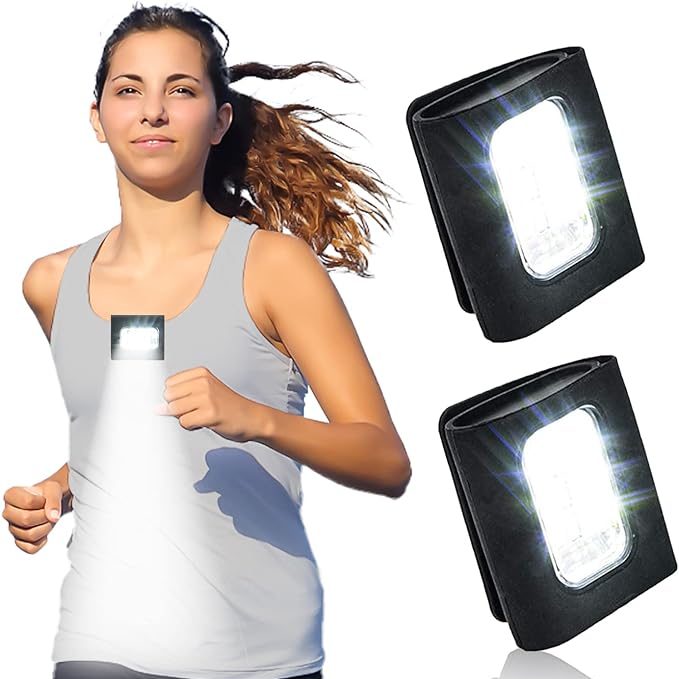
Running is an exhilarating experience, but it’s important to stay visible, especially during early morning or late evening runs when light is low. Reflective gear is a simple yet effective way to ensure that drivers, cyclists, and other pedestrians can see you. Reflective vests, jackets, or arm and leg bands are all great options to enhance your visibility. These items often feature reflective strips or patterns that catch and reflect light, making you more visible from a distance.
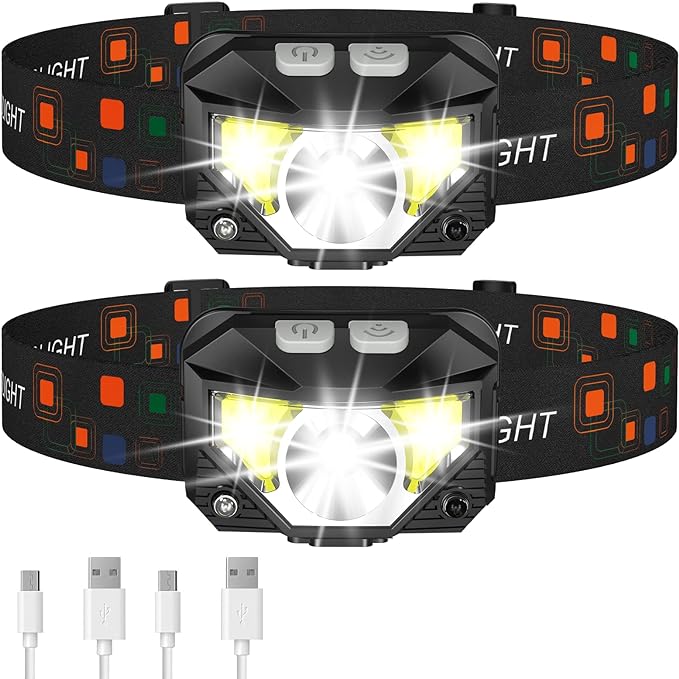
In addition to reflective clothing, consider adding a headlamp or clip-on lights to your gear list. A headlamp not only makes you more visible but also lights up the path ahead, reducing the risk of tripping or stumbling on uneven terrain. Clip-on lights can be attached to your clothing, shoes, or running belt, providing additional points of visibility. Safety should always be a priority, and by incorporating reflective gear into your routine, you can enjoy your runs with greater peace of mind, knowing that you’re doing your part to stay safe.
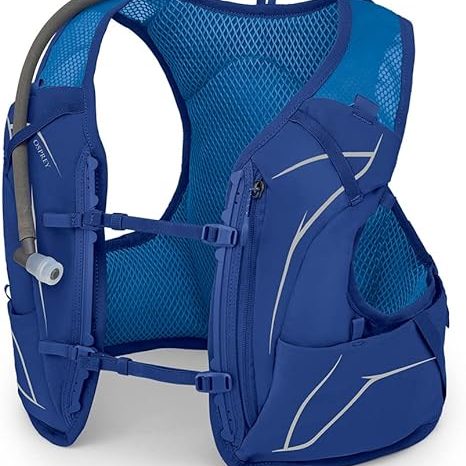
7. Hydration System: Stay Hydrated
Staying hydrated is crucial for maintaining performance and preventing fatigue, especially as you start extending your running distance. A hydration system ensures you have water or an electrolyte drink at hand, without needing to plan your route around water stops. Hydration systems come in various forms, including handheld bottles, hydration belts, and vests. Each has its own benefits, so it’s important to choose one that fits your running style and preferences.
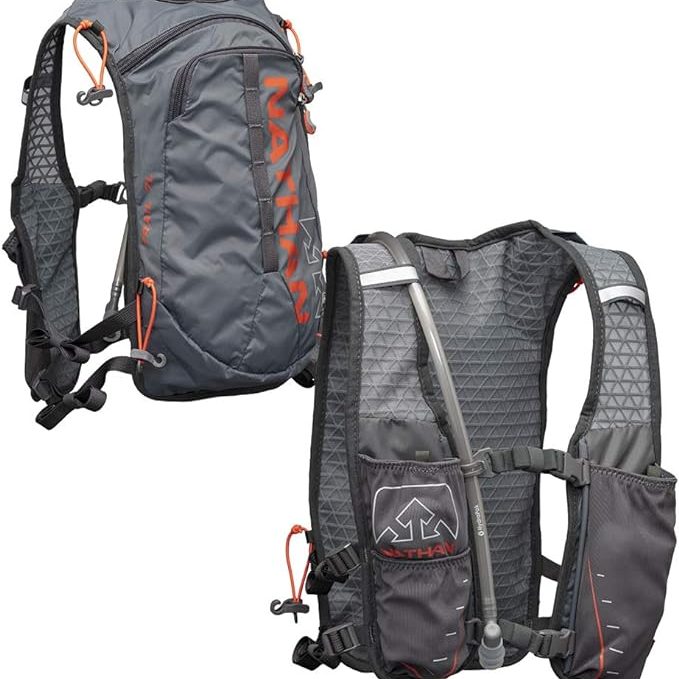
Handheld bottles are great for short to medium runs and are designed to be comfortable to carry without disrupting your stride. Hydration belts distribute the weight around your waist, which can be more comfortable on longer runs, while hydration vests are ideal for trail runs or when you need to carry more fluid and gear. Whichever option you choose, make sure it fits well and doesn’t bounce around as you run. Staying hydrated will help you maintain energy levels, improve recovery, and avoid the pitfalls of dehydration, such as cramps or heat exhaustion.
8. Sunglasses or Hat: Protect Your Eyes
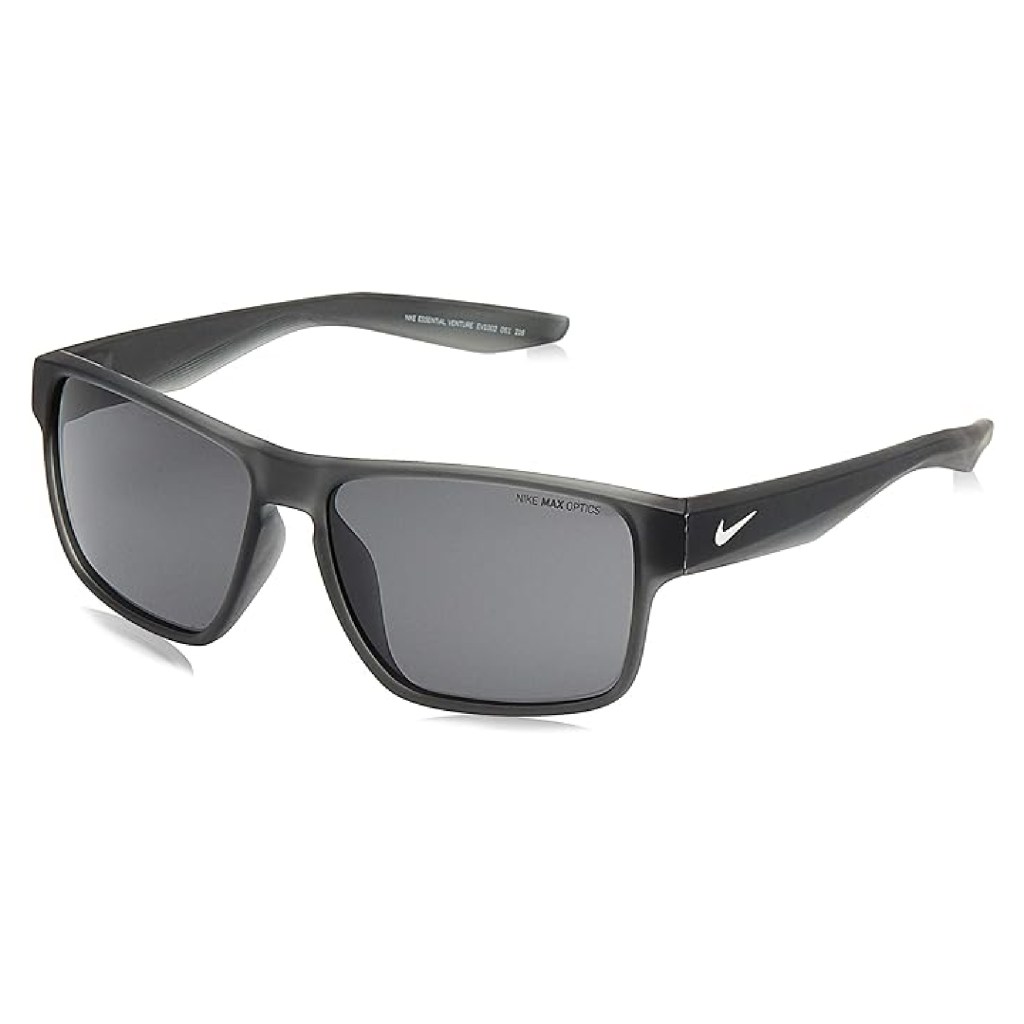
Running outdoors means exposure to the elements, and protecting your eyes from the sun is essential, not just for comfort but for long-term eye health. UV-protective sunglasses are a must-have for sunny days, as they shield your eyes from harmful rays, reduce glare, and help you see clearly without squinting. When choosing running sunglasses, look for a pair that offers full coverage, a secure fit, and lenses designed for sports. Polarized lenses can be particularly beneficial as they reduce glare from surfaces like roads or water.
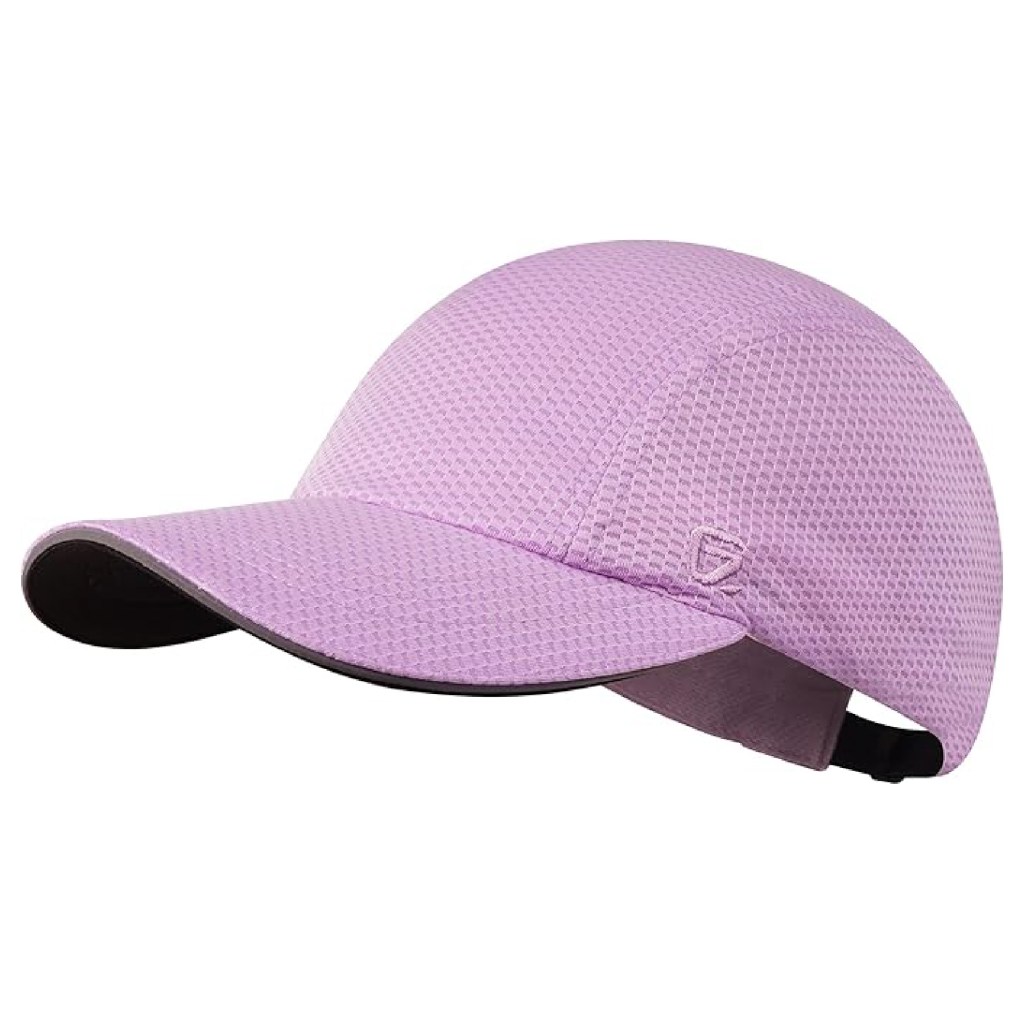
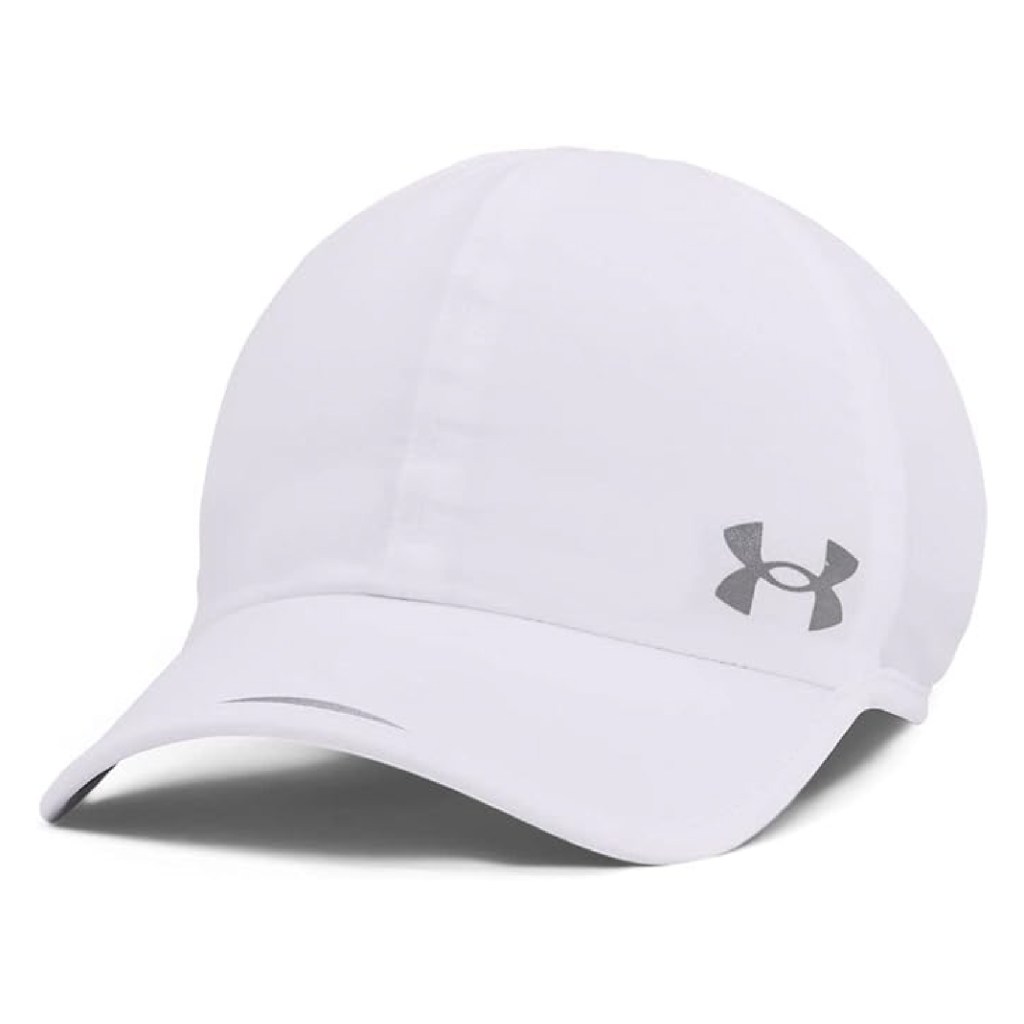
If sunglasses aren’t your thing, or if you prefer extra protection, a lightweight, moisture-wicking hat is another great option. A hat not only shields your eyes but also helps protect your face and scalp from sunburn. Many running hats are made from technical fabrics that wick sweat away, keeping you cool and dry. They can also help manage sweat on hot days, preventing it from dripping into your eyes. Whether you opt for sunglasses, a hat, or both, protecting your eyes from the sun will make your runs more comfortable and keep your focus on the road ahead.
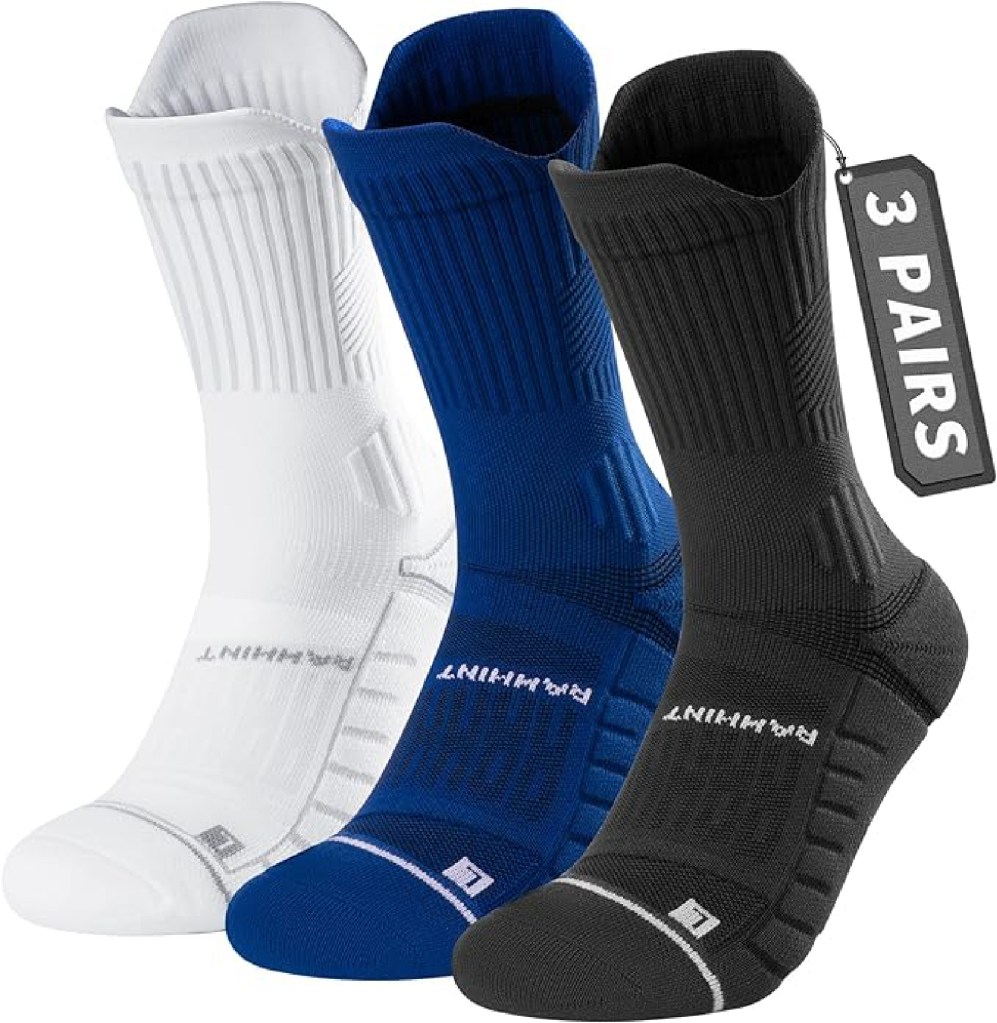
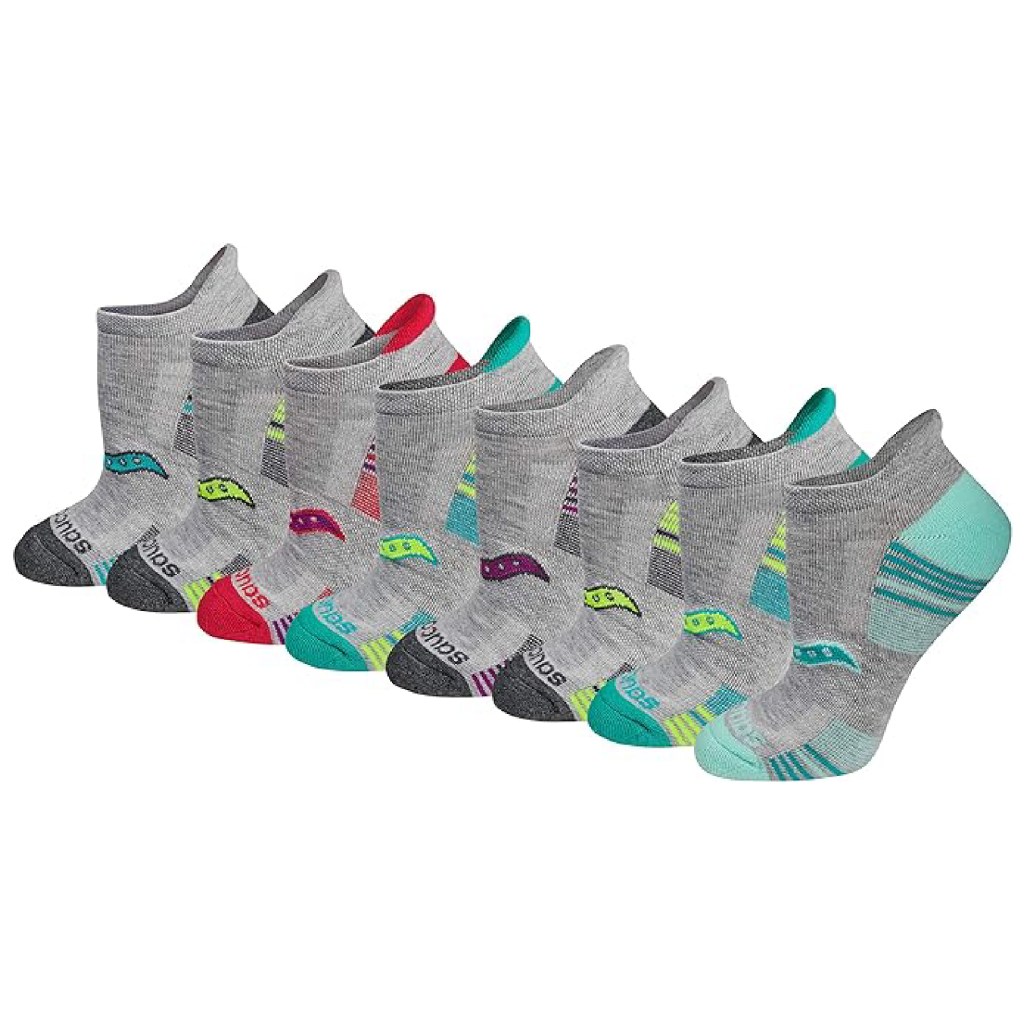
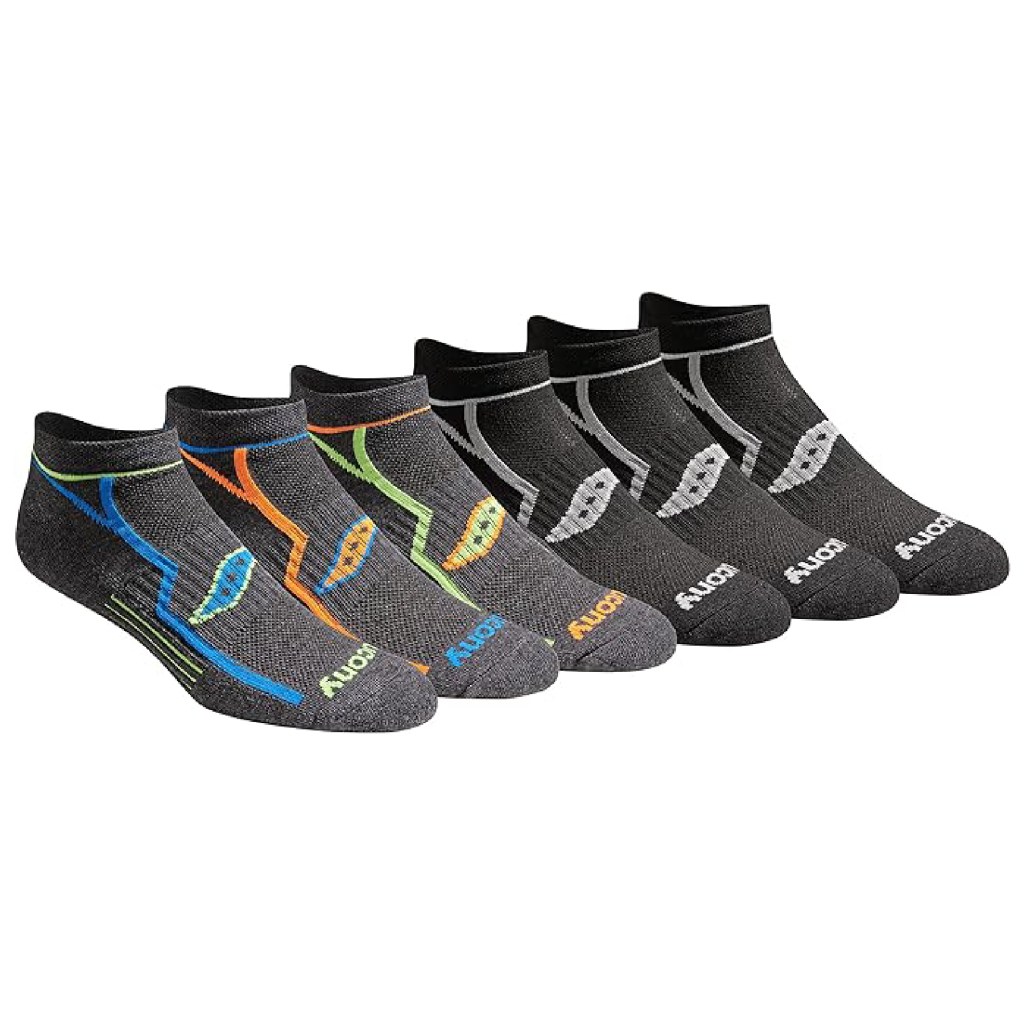
9. Running Socks: Avoid the Blisters
Blisters can turn a good run into a painful experience, but the right pair of running socks can prevent this common issue. Unlike regular socks, running socks are designed with specific features to enhance comfort and protect your feet. Look for socks made from moisture-wicking materials like synthetic blends or merino wool, which keep your feet dry by pulling sweat away from the skin. Dry feet are less likely to blister, as blisters often form when sweat and friction combine.
Additionally, running socks often feature extra cushioning in key areas, such as the heel and ball of the foot, to reduce impact and add comfort. Arch support and seamless construction are other features to look for, as they help prevent irritation and ensure a snug fit. Some runners prefer compression socks, which offer added support and can improve circulation. Investing in high-quality running socks is a small but significant step towards keeping your feet happy and blister-free, allowing you to focus on your performance rather than your discomfort.
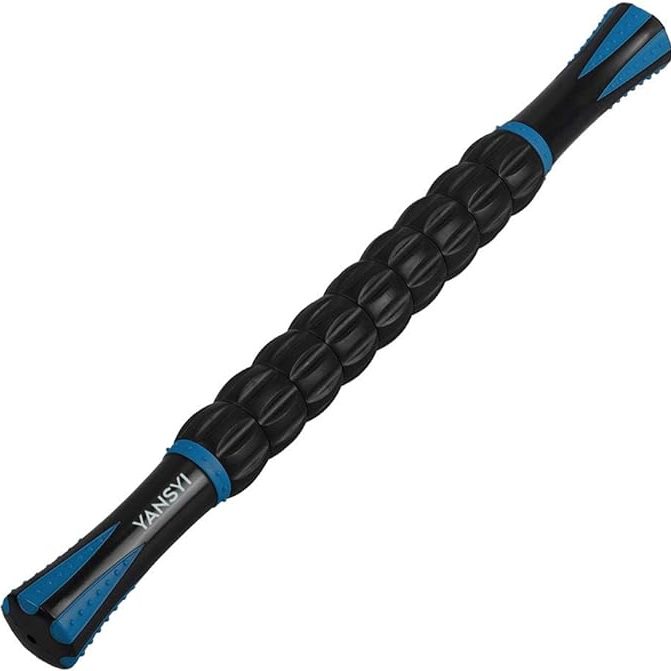
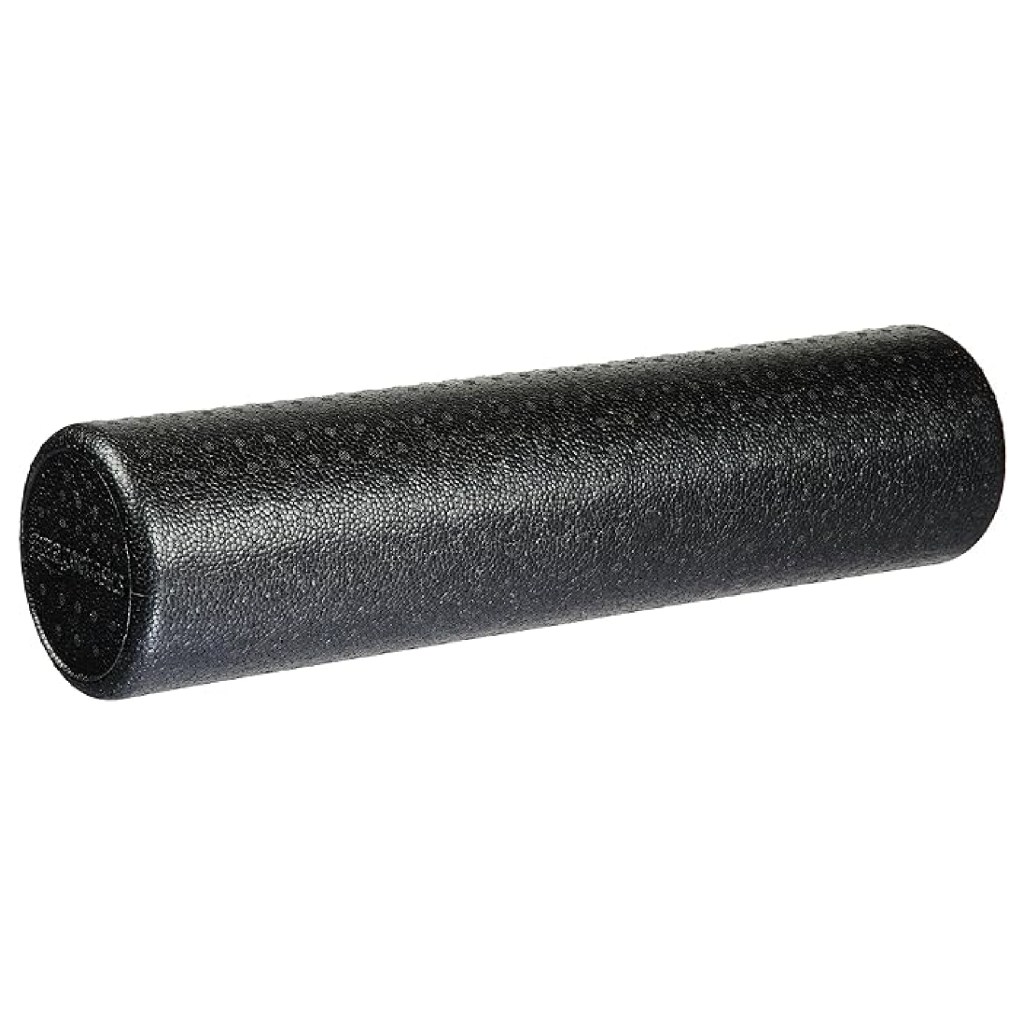
10. Foam Roller: Recovery is Key
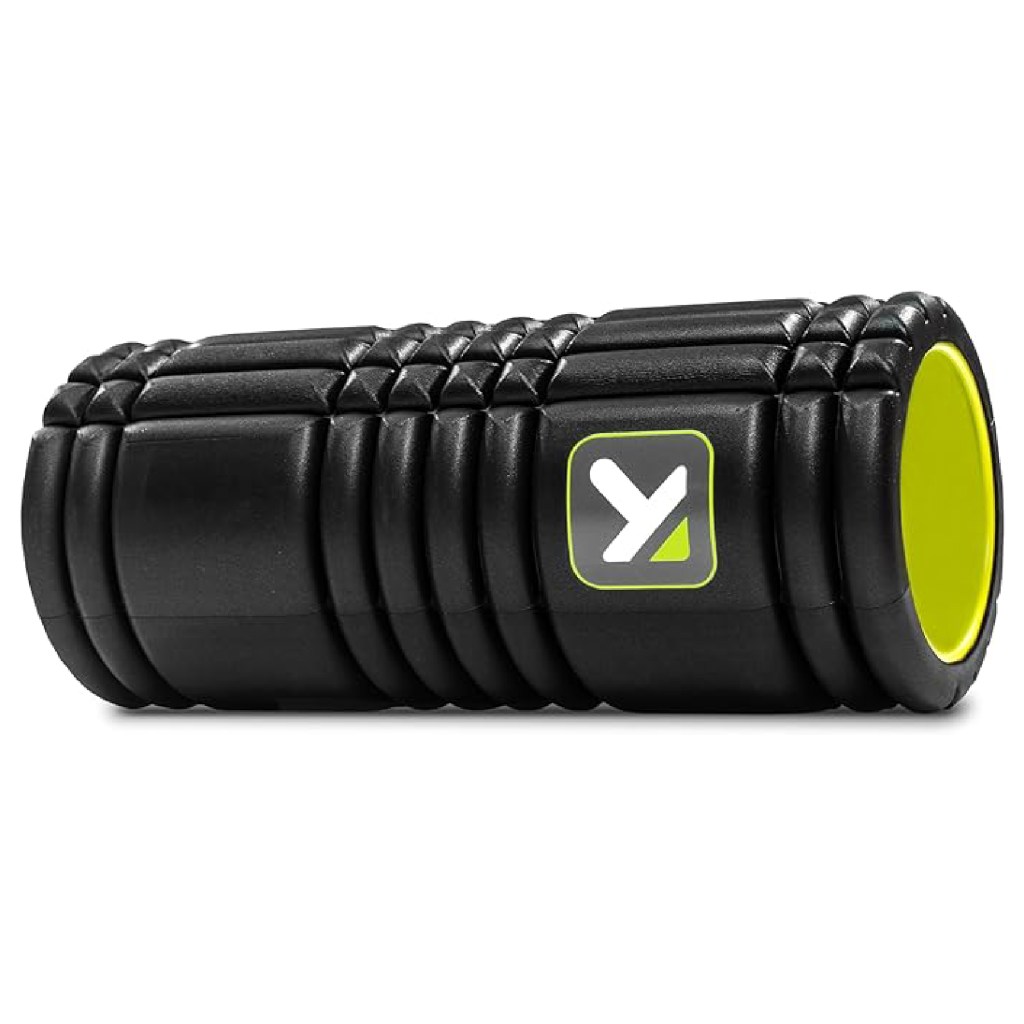
Recovery is just as important as the run itself, and a foam roller is an essential tool for any runner, beginner or experienced. Foam rolling, also known as self-myofascial release, helps to release muscle tension, improve flexibility, and prevent injuries by breaking up adhesions or “knots” in your muscles and fascia. This is particularly important after a run when muscles can become tight or sore. By incorporating foam rolling into your post-run routine, you can help your muscles recover faster, reduce soreness, and improve your overall mobility.
For beginners, using a foam roller might feel a bit uncomfortable at first, especially on tight or sore muscles, but over time it becomes an invaluable part of your recovery process. Focus on rolling out your calves, hamstrings, quads, and IT band, spending extra time on any areas that feel particularly tight. Start with a soft foam roller and gradually progress to firmer options as your muscles adapt. Regular foam rolling not only enhances recovery but also helps prevent common running injuries, making it a crucial component of your running toolkit.
Final Thoughts
Starting your running journey is an exciting step, and with the right gear, you can set yourself up for success. Remember, the most important thing is to listen to your body and enjoy the process. Whether you’re running for fitness, mental clarity, or the sheer joy of movement, these essentials will help you stay comfortable, motivated, and injury-free. So lace up your shoes, hit the road, and embrace the runner you are becoming.
Happy running!
 Running Endeavor
Leave a comment