
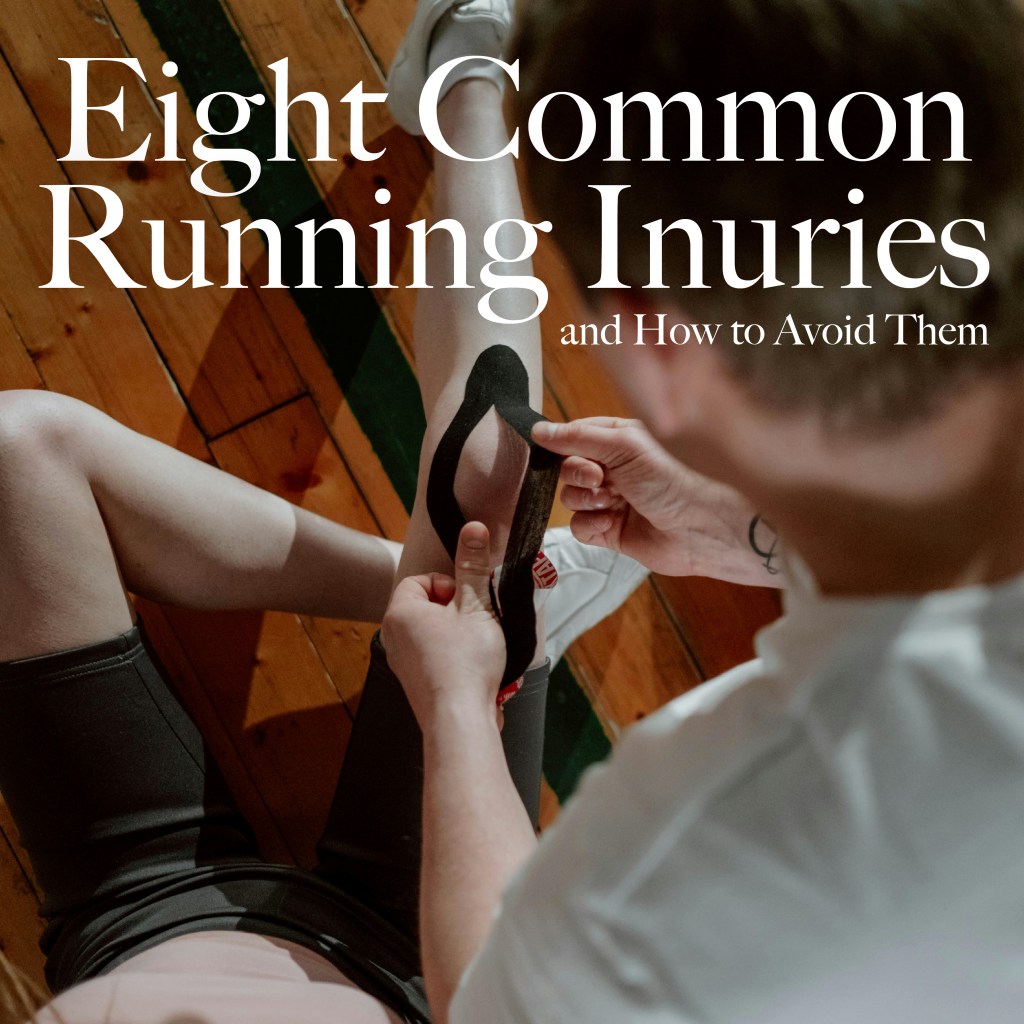
Running is a fantastic way to stay fit, clear your mind, and explore the great outdoors. But like any physical activity, it comes with its risks. Common running injuries can sideline even the most dedicated athletes, but with the right knowledge and prevention strategies, you can keep yourself on the path to success. In this post, we’ll explore some of the most common running injuries and offer practical tips to prevent them.
1. Runner’s Knee
What It Is: Runner’s knee, or patellofemoral pain syndrome, is a common ailment among runners. It manifests as pain around the kneecap, particularly during activities that involve bending the knee, such as running, squatting, or even sitting for extended periods.

Prevention Tips:
- Strengthen Your Quads: Strong quadriceps can help stabilize the kneecap. Incorporate exercises like leg presses, squats, and lunges into your routine.
- Improve Your Form: Proper running form can reduce stress on your knees. Focus on maintaining a slight forward lean, landing softly on your midfoot, and keeping your knees slightly bent.
- Gradual Progression: Increase your mileage and intensity gradually to avoid overloading your knees.
2. Shin Splints
What It Is: Shin splints refer to pain along the inner edge of the shinbone (tibia). They’re often caused by repetitive stress on the shinbone and the connective tissues that attach muscles to the bone.
Prevention Tips:
- Wear Proper Footwear: Ensure your running shoes provide adequate support and cushioning. Replace them every 300-500 miles.
- Avoid Overtraining: Incorporate rest days into your training schedule and avoid drastic increases in mileage or intensity.
- Cross-Train: Engage in low-impact activities like swimming or cycling to give your shins a break from the constant pounding.
3. Plantar Fasciitis
What It Is: Plantar fasciitis involves inflammation of the plantar fascia, a thick band of tissue that runs across the bottom of your foot. It’s characterized by a sharp pain in the heel, especially with the first steps in the morning.
Prevention Tips:
- Stretch Regularly: Perform stretches that target the Achilles tendon and calf muscles. Try rolling a tennis ball under your foot to massage the plantar fascia.
- Strengthen Your Feet: Exercises like toe curls and picking up marbles with your toes can strengthen the muscles in your feet.
- Maintain a Healthy Weight: Excess weight can put additional stress on your feet. Maintain a healthy weight to reduce the risk of plantar fasciitis.
4. IT Band Syndrome
What It Is: Iliotibial (IT) band syndrome occurs when the IT band, which runs along the outside of the thigh, becomes tight or inflamed. It often causes pain on the outer knee.
Prevention Tips:
- Foam Rolling: Regularly use a foam roller to massage the IT band and surrounding muscles, reducing tightness.
- Strength Training: Focus on strengthening your hip abductors and glutes. Exercises like side leg lifts and clamshells can help.
- Avoid Downhill Running: Downhill running can exacerbate IT band issues. If you’re prone to IT band syndrome, limit your downhill runs.
5. Achilles Tendinitis
What It Is: Achilles tendinitis involves inflammation of the Achilles tendon, which connects the calf muscles to the heel bone. It typically causes pain and stiffness along the back of the leg, near the heel.
Prevention Tips:
- Warm-Up Properly: Always start your runs with a thorough warm-up, including dynamic stretches like leg swings and calf raises.
- Gradual Progression: Avoid sudden increases in training intensity or mileage. Gradual progression allows your body to adapt.
- Proper Footwear: Ensure your running shoes have adequate heel support and cushioning to reduce stress on the Achilles tendon.
6. Side Stitches
What It Is: Side stitches are sharp, stabbing pains that occur just below the ribs, typically on the right side. They can be incredibly frustrating and can abruptly disrupt your running rhythm.
Prevention Tips:
- Regulate Your Breathing: Shallow breathing can contribute to side stitches. Practice deep, rhythmic breathing, ensuring you fully exhale to avoid the buildup of CO2.
- Strengthen Your Core: A strong core can provide better support for your diaphragm and reduce the likelihood of side stitches. Incorporate exercises like planks, Russian twists, and bicycle crunches into your routine.
- Mind Your Pre-Run Nutrition: Avoid eating large meals or drinking too much water right before a run. Give yourself about 1-2 hours after eating before you head out.
- Warm-Up Gradually: A proper warm-up can prepare your body for the demands of running and reduce the risk of side stitches. Start with a brisk walk or light jog, followed by dynamic stretches.

7. Blisters
What It Is: Blisters are small pockets of fluid that form on the skin, often due to friction. They commonly occur on the feet, particularly during long runs or when wearing new shoes.
Prevention Tips:
- Choose the Right Footwear: Ensure your running shoes fit well and are broken in before long runs. Avoid shoes that are too tight or too loose.
- Wear Moisture-Wicking Socks: Opt for socks made of synthetic materials that wick away moisture, reducing friction and the likelihood of blisters.
- Use Lubricants: Apply blister prevention products, like petroleum jelly or specialized blister sticks, to areas prone to friction.
- Keep Your Feet Dry: Moisture can exacerbate friction. Use foot powders to keep your feet dry, especially on hot and humid days.
8. Stress Fractures
What It Is: Stress fractures are tiny cracks in a bone caused by repetitive force, often from overuse. They are common in the weight-bearing bones of the lower leg and foot, leading to pain and tenderness that worsens with activity.
Prevention Tips:
- Gradual Progression: Increase your running mileage and intensity gradually to give your bones time to adapt to the increased stress.
- Strength Training: Incorporate strength training exercises, especially those that strengthen your lower body and core, to improve overall stability and reduce the risk of fractures.
- Proper Nutrition: Ensure your diet includes adequate calcium and vitamin D to support bone health. Consider consulting a nutritionist if you have dietary restrictions.
- Rest and Recovery: Listen to your body and take rest days seriously. Overtraining without proper recovery can lead to stress fractures.
Final Thoughts
Running is a rewarding activity that offers numerous physical and mental benefits. By understanding common running injuries and taking proactive steps to prevent them, you can enjoy your runs while minimizing the risk of setbacks. Listen to your body, prioritize recovery, and invest in proper gear. Happy running!
 Running Endeavor
Leave a comment